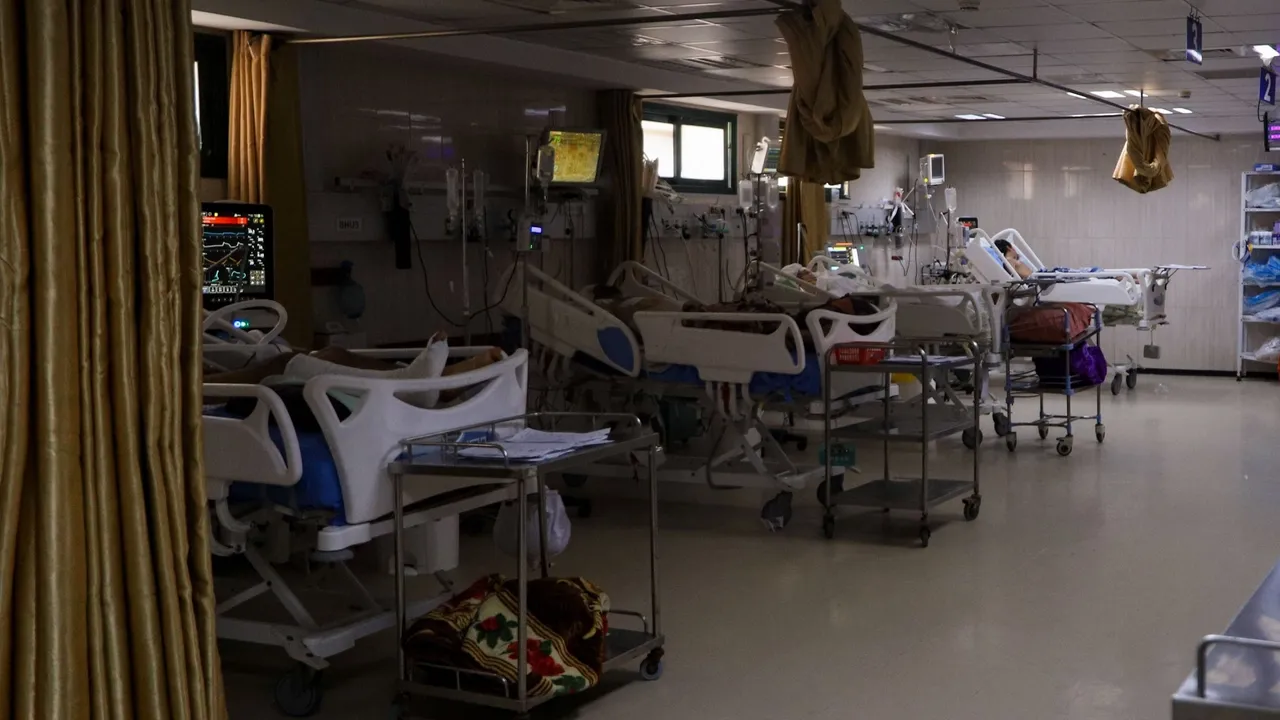
Al-Wafa Hospital for Medical Rehabilitation and Specialised Surgery in Gaza said on Monday it had reduced services because of an operational crisis caused by shortages of fuel and maintenance supplies amid the Israeli blockade.
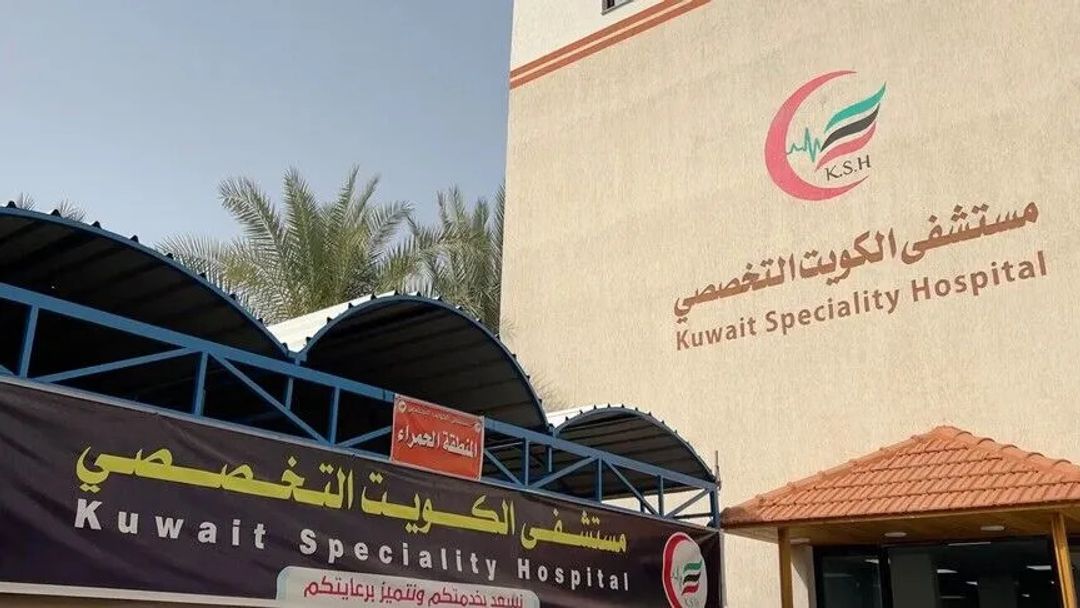
It is the second hospital in Gaza to announce service reductions within two days because of fuel shortages, following a similar announcement Sunday by the non-governmental Kuwait Specialised Hospital.
The crisis comes amid the repercussions of Israel’s genocidal war since Oct. 8, 2023, accompanied by a tightened blockade and extensive damage to Gaza’s infrastructure and health system.
Al-Wafa Hospital, a nongovernmental facility, said in a statement that it had temporarily suspended several essential services, including outpatient clinics, surgical operations, outpatient physical and occupational therapy, speech therapy, and treatment for swallowing disorders.
“The suspension of these services comes amid an operational and humanitarian crisis that has reached an extremely dangerous stage,” the hospital said.
Fuel shortages
The facility is facing severe shortages of diesel and other fuel needed to operate electricity generators and vehicles, along with difficulties obtaining oils, tires, spare parts, and maintenance supplies required to keep vehicles, equipment, and essential services running, it said.
Electric generators are the main source of power for Gaza hospitals to operate critical departments and medical equipment amid a complete electricity outage across the enclave for a third year.
The hospital said its administration was forced to suspend services to preserve available resources and direct them toward inpatients and essential medical services that cannot be discontinued.
Al-Wafa Hospital provides services to thousands of Palestinians, including wounded people and persons with disabilities, and receives large numbers of patients every month who depend on continued treatment and rehabilitation services.
The hospital warned that if the fuel and operational supply crisis continues without urgent intervention, further services could be reduced, threatening its ability to continue providing medical and rehabilitation care.








Urgent appeal
The administration issued an urgent appeal to the World Health Organization, the UN, health and humanitarian organisations, and donors to provide fuel, oil, spare parts, and other urgent operational needs.
On Monday, Gaza Health Ministry Director General Munir al-Bursh said the WHO had decided to stop diesel supplies to more than 20 hospitals and health centers starting Sept. 19 because of a funding shortage.
The WHO has not commented on the decision cited by the Health Ministry, though it has announced reductions in funding for its activities and programmes in recent months.
Al-Bursh said the limited quantities of fuel entering Gaza “barely keep health facilities operating.”
His announcement coincided with shortages of oils and spare parts for hospital generators, which have caused several generators to stop operating.
Gaza’s government media office has repeatedly said Israel is failing to meet its obligations under the ceasefire agreement in force since October 10, 2025, including allowing the agreed quantities of aid and fuel to enter the enclave.
Since the start of Israel’s genocide in Gaza, more than 73,000 Palestinians have been killed and over 174,000 injured, while around 90 percent of the enclave’s infrastructure has been destroyed.