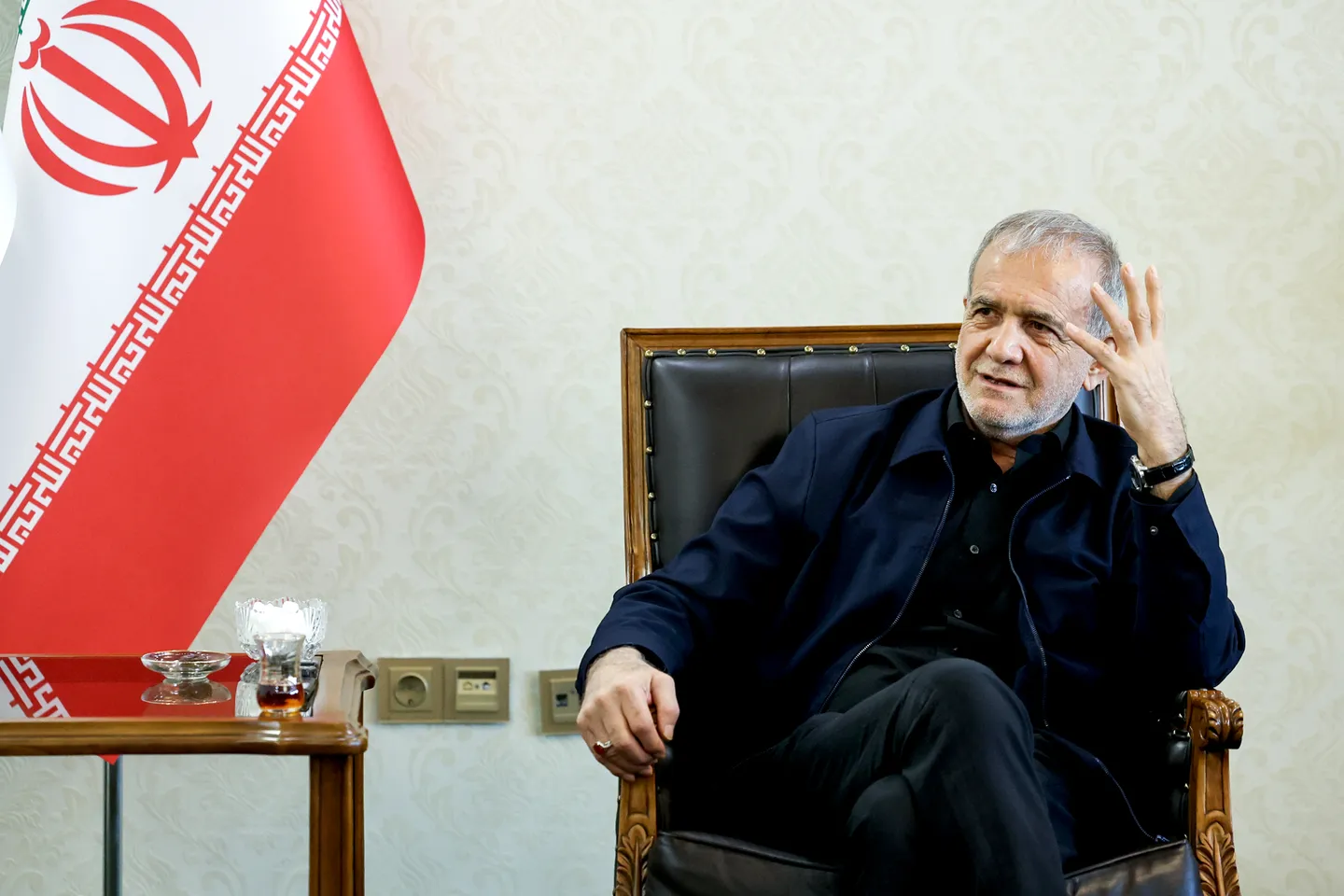
Iranian President Masoud Pezeshkian has said he is prepared to personally engage with leaders of neighbouring countries and regional partners to help secure imports of essential goods and medicines as Tehran seeks to safeguard supply chains amid growing economic pressure.
“If necessary, I will personally consult with the leaders of neighbouring countries and regional partners so that any obstacles to the supply and transfer of essential goods and medicines can be resolved as quickly as possible,” Pezeshkian said on Friday, according to a statement from the presidency.
The remarks came during a meeting with economic ministers, the central bank governor and other senior officials focused on accelerating imports of essential goods, medicines and alternative trade routes.
Pezeshkian stressed the need to prevent price volatility and instructed officials to expand the use of alternative transport corridors and neighbouring countries' logistical capacities to maintain the flow of supplies.
He also called for greater use of Iran's northern ports and increased cooperation with neighbouring countries, including Pakistan, Russia and Azerbaijan, to facilitate the procurement and import of needed goods.
Participants reviewed plans to increase imports via land crossings and alternative transport routes and examined the feasibility of importing medicines and other critical goods from China by rail.
The president said the foreign ministry should further leverage economic diplomacy to secure the supply chain.



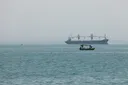
"All political, economic and regional capacities of the country must be used to facilitate the process of procurement, transportation, clearance and entry of basic goods and medicines so that there is no interruption in meeting the needs of the people,” he said in his speech.
According to the presidency, consultations with neighbouring countries have already helped expand the capacity of several border crossings and alternative transportation routes.
Iran's rial has lost about 25 percent of its value against the US dollar since the outbreak of the war between Iran and the US-Israel coalition on February 28, weakening from around 1.4 million rials to nearly 1.75 million rials per dollar.
The depreciation has contributed to higher prices for essential goods and medicines, adding to economic pressure on households across the country.
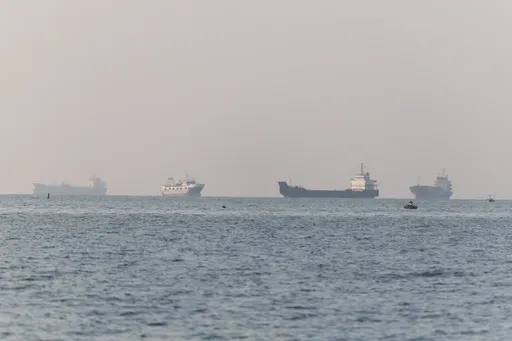
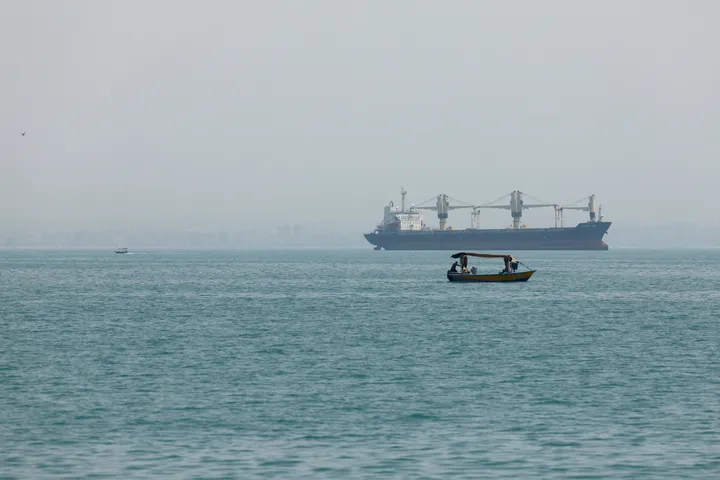
Iran is also facing a naval blockade imposed by the US, which said this week it had redirected 100 commercial ships from entering or exiting Iranian ports.