Pakistan has stepped up diplomatic efforts to prevent a renewed escalation between the United States and Iran, urging both sides to extend their 14-day ceasefire beyond Wednesday’s deadline and resume direct talks.
Foreign Minister Ishaq Dar made the appeal during a meeting on Tuesday in Islamabad with US Charge d’Affaires Natalie Baker, stressing that dialogue and diplomacy remain the “only viable” path towards lasting regional peace and stability.
According to Pakistan’s foreign ministry, Dar called for continued engagement between Washington and Tehran and specifically urged both sides to prolong the ceasefire to “give dialogue and diplomacy a chance.”
The temporary truce, brokered by Pakistan on April 8, is set to expire Wednesday evening, Washington time, with uncertainty growing over whether either side is willing to extend it.
Islamabad awaits Iran’s answer
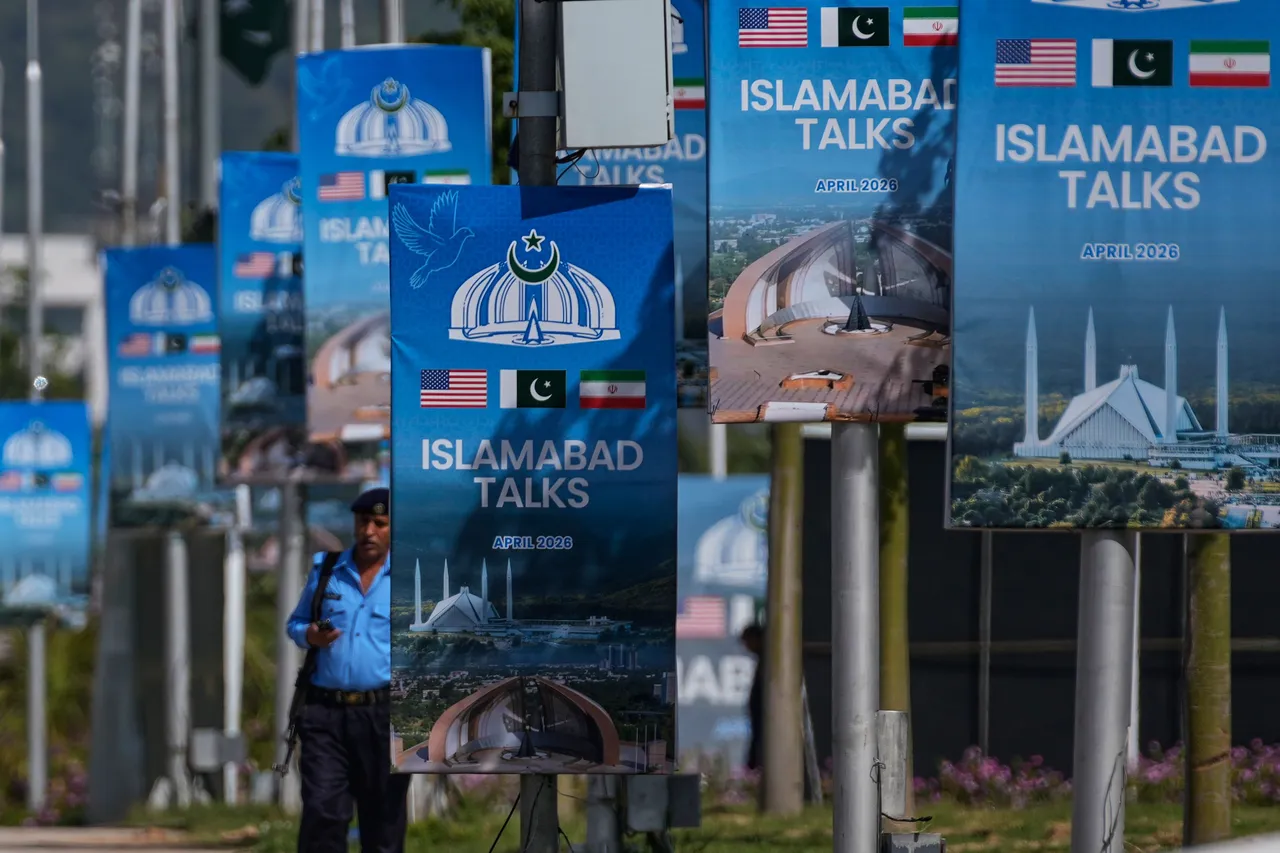
Pakistan hosted high-level talks between US and Iranian officials on April 11-12, but no breakthrough was reached.
Now, Islamabad is still waiting for Tehran to formally confirm whether it will send a delegation for a second round of peace talks expected to take place in the Pakistani capital.
Information Minister Attaullah Tarar said Iran’s decision is critical before the ceasefire window closes.
“Decision from Iran to attend the talks before the end of the two-week ceasefire is critical,” Tarar said in a post on X, adding that Pakistan has made “sincere efforts” to persuade Iranian leaders to participate.
Pakistani officials believe another round of negotiations could be key to preventing the fragile pause from collapsing into full-scale regional war.


Trump signals harder line
Despite Pakistan’s push, US President Donald Trump has said it is “highly unlikely” that Washington will agree to extend the ceasefire.
Trump also said the Strait of Hormuz would remain blocked until a broader deal is reached, adding pressure on Tehran as global markets watch the vital oil route closely.
The conflict sharply escalated after the US and Israel launched joint strikes on Iran on February 28, prompting Iranian retaliatory attacks on Israel and other countries hosting American military assets in the region.
Since then, fears of a wider Middle East war have intensified, with Pakistan positioning itself as a key mediator between the two sides.
US diplomat Natalie Baker conveyed Washington’s appreciation for Pakistan’s “constructive and positive role” in promoting peace and facilitating dialogue, according to Islamabad.
But with the ceasefire clock ticking and no confirmed second round of talks yet, diplomats face a narrowing window to keep the fragile truce alive.
/