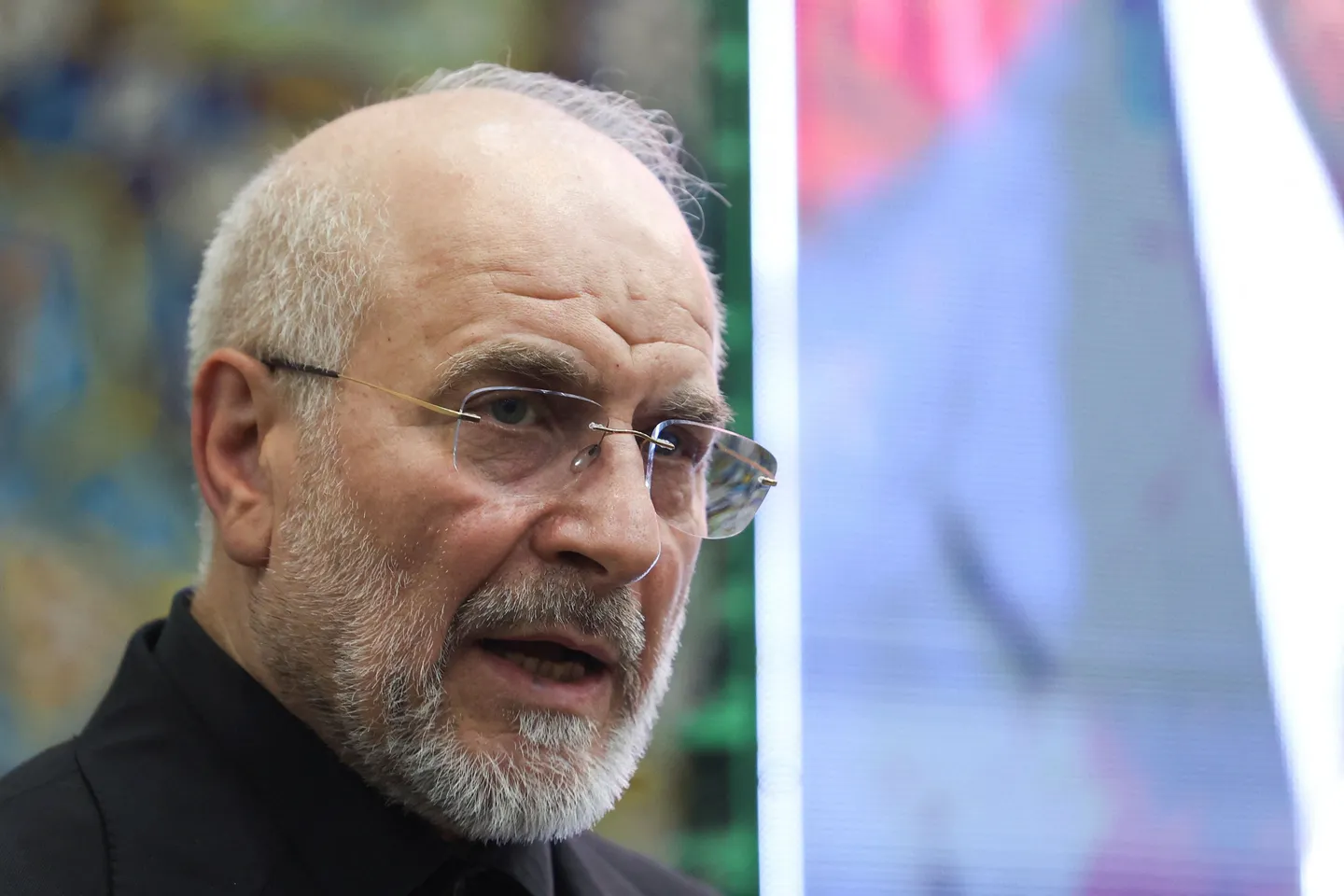
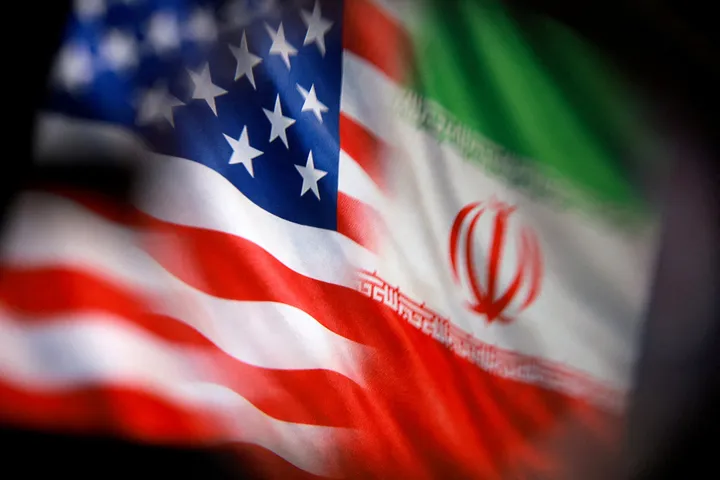
Iranian Parliament Speaker Mohammad Bagher Ghalibaf has said that the United States must fulfil its commitments under an Islamabad memorandum of understanding before Tehran moves toward fully reopening the Strait of Hormuz.
“The Americans must fulfil their commitments so that we can proceed with reopening the Strait of Hormuz,” Ghalibaf said on Wednesday during a meeting in Tehran with Basem Naim, a senior Hamas official responsible for Islamic relations, according to Iran’s ISNA news agency.
Ghalibaf said Iran does not reject diplomacy but views negotiations as part of a broader struggle with the US and Israel.
“We do not reject negotiations, but negotiations are a tool for the struggle,” he said, arguing that abandoning confrontation with Washington and Israel in its various forms would amount to “defeat.”
Ghalibaf also referred to the Islamabad memorandum, saying its first provision called for an end to the war against Iran and its allies in what Tehran describes as the “resistance front.”
He said Washington had initially presented a 15-point proposal seeking an end to Iran’s missile and nuclear activities as well as its support for allied groups across the region.



Strait remains key point of dispute
Iran and the US signed the memorandum in Islamabad on June 18 following mediation by Pakistan and Qatar. The understanding addressed an end to hostilities, navigation through the Strait of Hormuz and further negotiations between Tehran and Washington.
Iranian officials have since accused Washington of failing to meet its commitments and have tied the full reopening of the strategic waterway to US compliance.
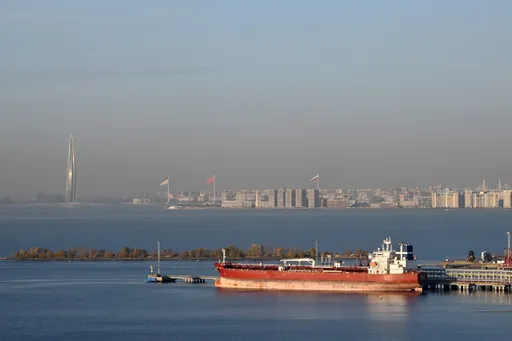
The Strait of Hormuz connects the Gulf with the Gulf of Oman and serves as a major corridor for global energy shipments. Tehran has maintained restrictions on navigation while outlining conditions that include sanctions relief, the release of frozen Iranian assets and an end to military operations against Iran and its regional allies.
In late August, Iranian officials said Tehran and Oman were discussing arrangements for maritime transit through the strait but stressed that the talks did not amount to a full reopening.