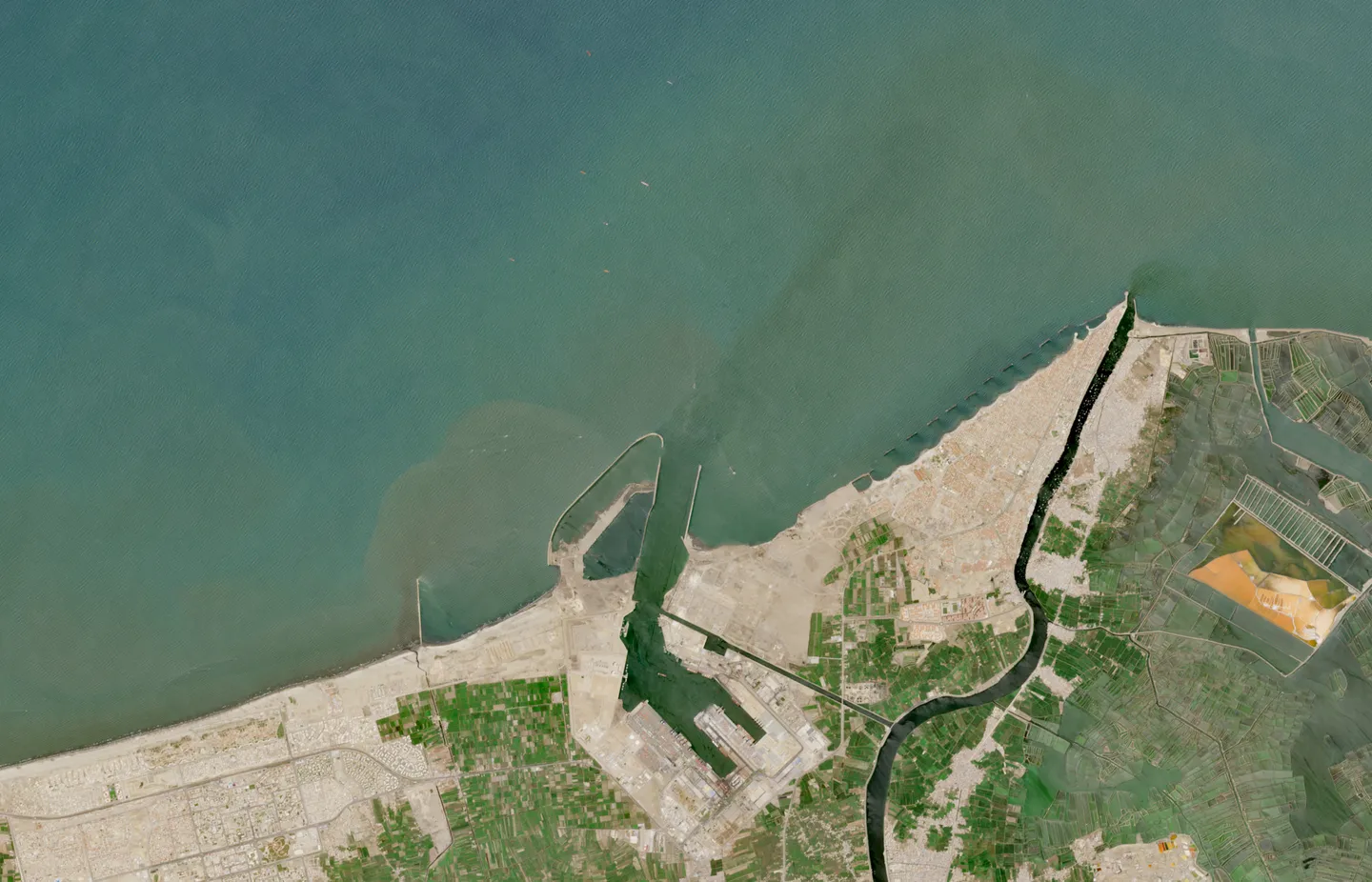
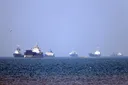
A drone strike on gas vessels in Egypt's Mediterranean port of Damietta has signalled a potential new front in the US-Iran war, raising the prospect of threats to navigation through the Suez Canal, the last remaining safe export route for Saudi oil.
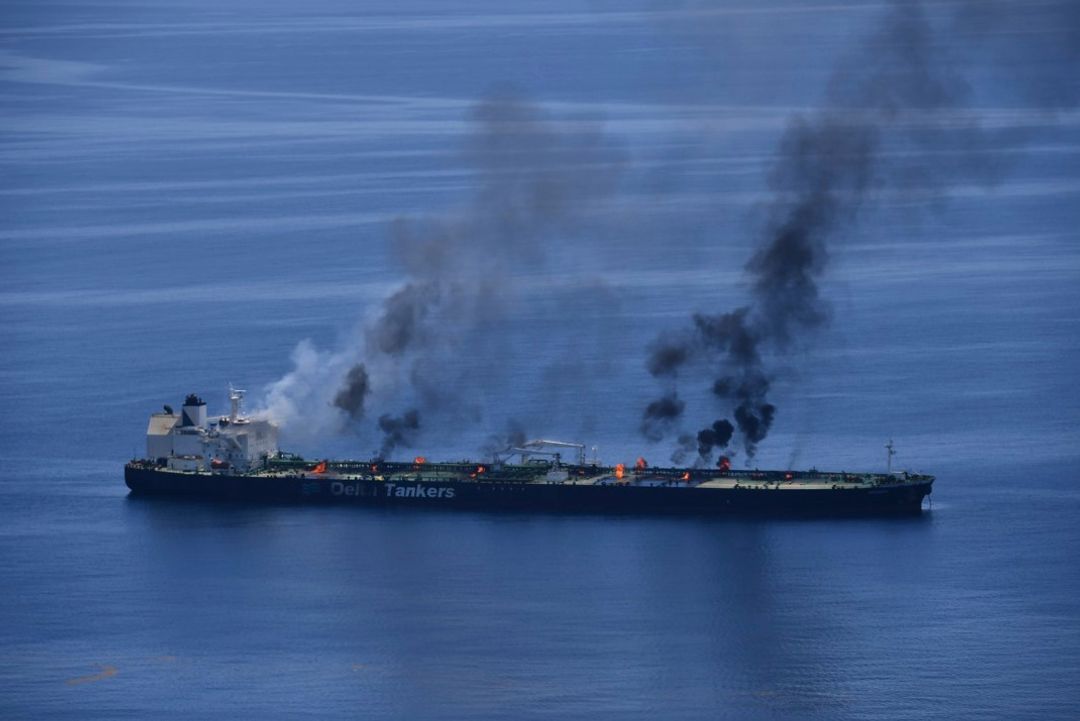
The Egyptian cabinet said on Thursday that an initial investigation showed that an unidentified drone caused a fire on Wednesday on two vessels at Damietta port, near the Suez Canal, which links the Mediterranean to the Red Sea.
It said no party had claimed responsibility and authorities were taking measures to protect Egypt's national security.
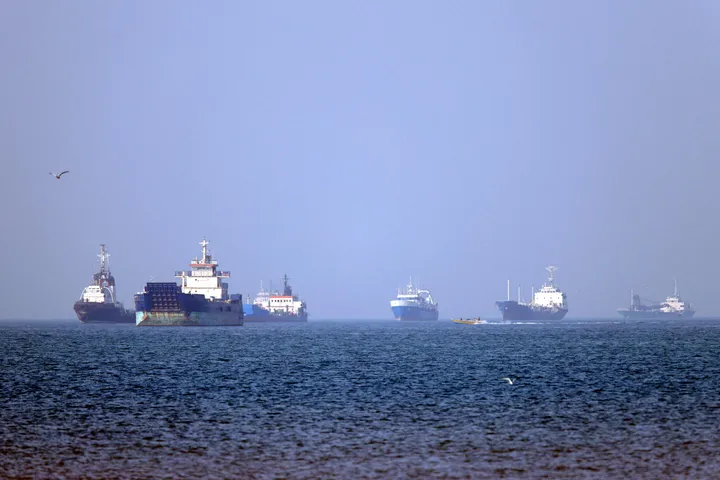
Trading sources familiar with the incident said the drone struck the US-owned gas storage tanker Energos Winter, sparking a fire that spread to another vessel.
Egypt's petroleum ministry said in a statement on Wednesday that the fires at the port were immediately addressed by firefighting and security teams and caused no injuries or fatalities.
Petroleum Minister Karim Badawi went to the site to oversee response efforts, it said.
According to analysts, the goal of the attack, regardless of who launched it, could be to drag Egypt into the conflict, after months of Cairo acting as one of the few diplomatic channels between Iran and the US.
Damietta, a Mediterranean port, is more than 1,300 kilometres away from Iran and 2,000 kilometres from Yemen.
According to Royal United Services Institute analyst HA Hellyer, the distance means "it's unlikely that Iran would have struck Egypt directly from Iranian territory".
Strikes and counter-strikes
The drone strike occurred shortly after Iran carried out a missile attack against US forces in Jordan, and Washington and Saudi Arabia struck Iran-backed groups in Iraq.
The US Central Command (CENTCOM) said on Wednesday US and Saudi forces carried out joint precision strikes against targets linked to Iranian-aligned groups in Iraq, saying the operation targeted sites connected to attacks on US forces and Saudi energy infrastructure.
Saudi Arabia said the strikes were conducted in self-defence under Article 51 of the UN Charter following attacks launched from Iraqi territory against the kingdom's petroleum facilities. It warned it would take further military action if Iran-backed groups carried out additional attacks.
Overnight, the US military said it struck dozens of targets in Iran after Tehran fired at US forces in the region.
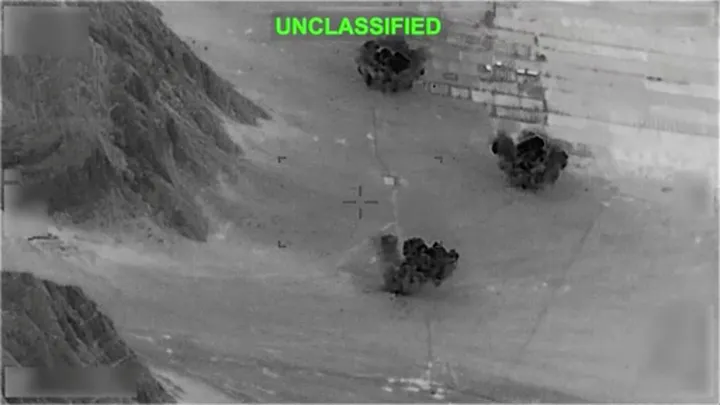

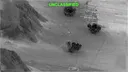

US Central Command said it carried out a two-hour operation launched at midnight targeting Iran's Revolutionary Guard command centres and drone facilities, aiming "to further diminish threats posed by Iran and its proxies to American forces, commercial shipping, and neighbouring Gulf countries".
Iran's state media reported that three people were killed in US strikes on Qeshm Island.
An Iranian attack on Thursday hit northern Kuwait, killing a worker and inflicting significant damage, Kuwait's defence ministry said.
Jordan's armed forces said they had thwarted a new Iranian attempt to target the kingdom, intercepting five missiles.
Iran’s Revolutionary Guard (IRGC) claimed that it targeted Al-Azraq Air Base in Jordan’s eastern desert with ballistic missiles, destroying three F-35 fighter jets and heavily damaging three others, according to Iranian media.
Threat to alternative route
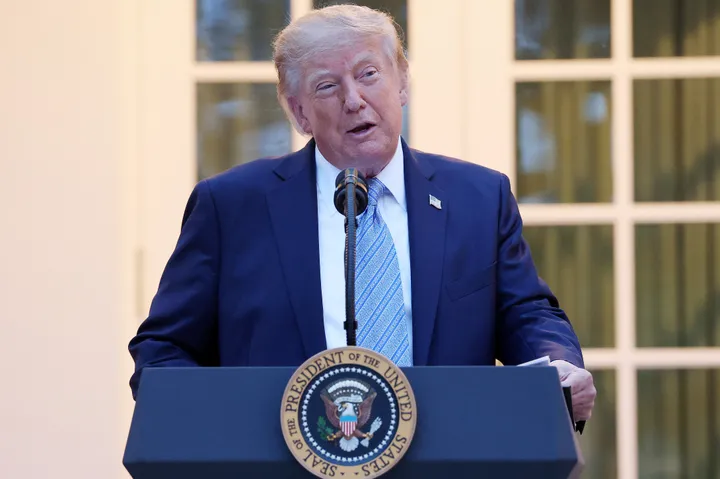
After the joint attacks, Saudi Arabia's defence minister met Vice President JD Vance in Washington on Wednesday to urge the Trump administration not to escalate the conflict further, two sources told Reuters.
The war began in February, when the US and Israel launched attacks on Iran that President Donald Trump said would last only a few weeks.
A temporary ceasefire agreement in June collapsed amid renewed fighting over the Strait of Hormuz.
The latest strikes in Iraq and Egypt threatened to draw more Middle Eastern countries into the conflict, after the Houthis in Yemen declared a naval blockade last week on Saudi Arabia, threatening the alternative Red Sea route for its oil to Asia.
Oil prices rose for a second day on the renewed fighting before pairing some gains with benchmark Brent crude trading around the $90 mark.