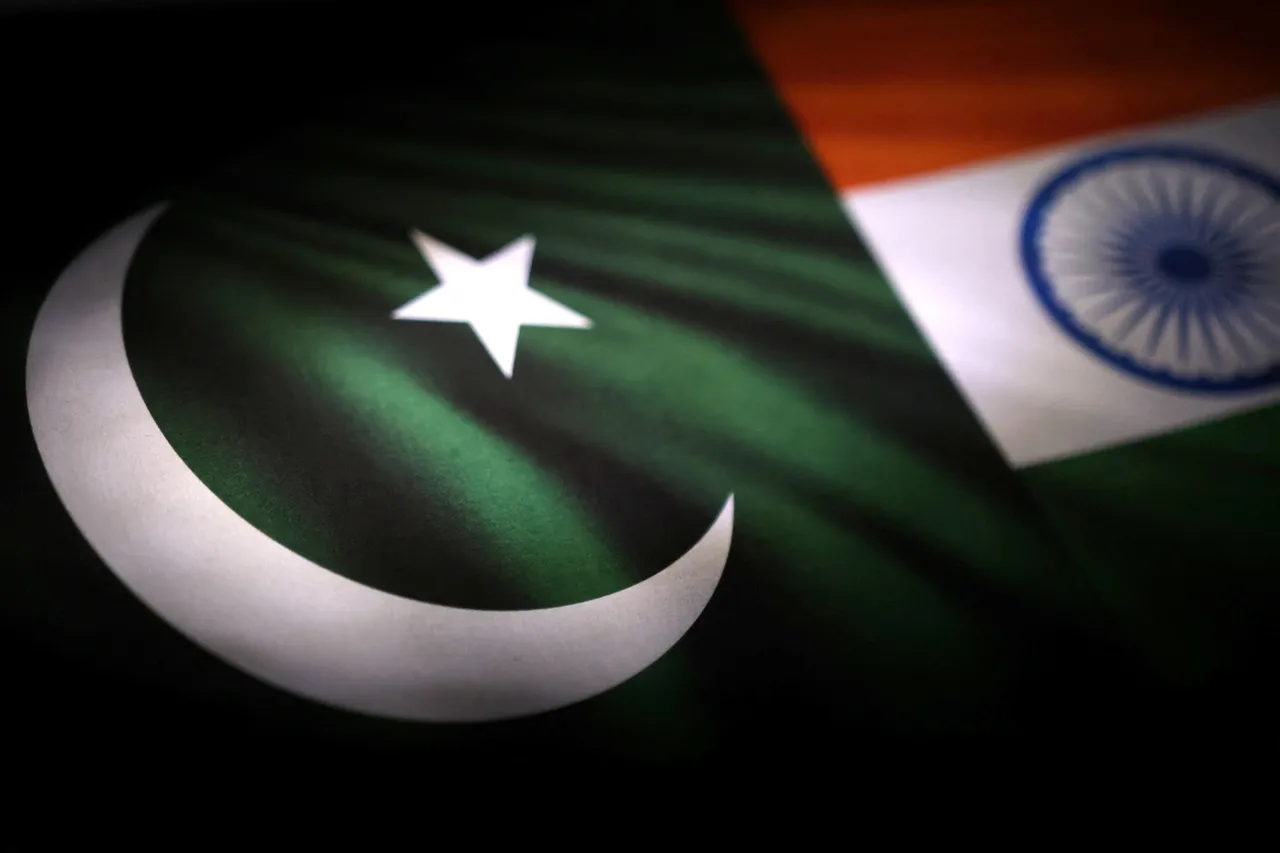
Pakistan said on Thursday two river projects by arch-rival India would "weaponise" water and violate a major treaty between the neighbouring nations, threatening a response if they move ahead.
India, which has announced the two initiatives separately this year, insists it is within its rights to press ahead with projects on the waters it controls, even though rivers flowing through both countries would be impacted.
Pakistan's foreign ministry spokesperson Tahir Andrabi told journalists that New Delhi had not consulted Islamabad on the two Chenab River projects that he said would undermine the Indus Waters Treaty.
"These projects confirm that India seems to weaponise water," he said. "This carries dangerous implications not only for Pakistan's economy but also for regional stability and international peace and security."
India announced last year it was suspending the bilateral Indus Waters Treaty that governs the use of waterways relied on by hundreds of millions, in the lead-up to armed conflict between the nuclear-armed neighbours.
Andrabi, however, said the treaty still binds both governments.
Pakistan has previously said it would consider any attempt to change the flow of cross-border waterways an "act of war" and said there was no mechanism for either country to unilaterally withdraw from the 1960 pact that had survived three armed hostilities.
In May, India's government-owned National Hydroelectric Power Corporation issued a tender notice for a proposed tunnel project that would transfer water from the Chenab River to the Beas basin.
India's power ministry said in January it was undertaking "sediment removal" at Salal Power Station on the Chenab River "following the termination of the Indus Waters Treaty".
Andrabi said that "any illegal measure to endanger Pakistan's water, food and economic security as well as the survival and well-being of its 250 million people is unacceptable."








"Pakistan will retain all options necessary for safeguarding rights under the treaty and to protect its vital national interest," he said, without elaborating on a course of action.
Water risks becoming a flashpoint in a region grappling with climate change and population growth, which are stretching resources in the agricultural sectors that form the backbone of both countries' economies, experts say.
India's foreign ministry rejected a May 15 decision by what it termed the "illegally constituted so-called Court of Arbitration" — the Hague-based body used to resolve disputes between India and Pakistan related to the treaty.
Pakistan said the decision supported its stance that the treaty remained in effect, which New Delhi denied.
"India's decision to hold the Indus Waters Treaty in abeyance remains in force," New Delhi's foreign ministry said.
The water treaty provided a rare avenue of diplomatic engagement between the rival sides until India suspended its involvement following a deadly attack on tourists in Indian-administered Kashmir in April 2025.
New Delhi, without providing any evidence, blamed Islamabad for backing the attack, which Islamabad denies.
The two countries engaged in intense drone, missile and artillery exchanges the following month, which left nearly 70 people dead on both sides.