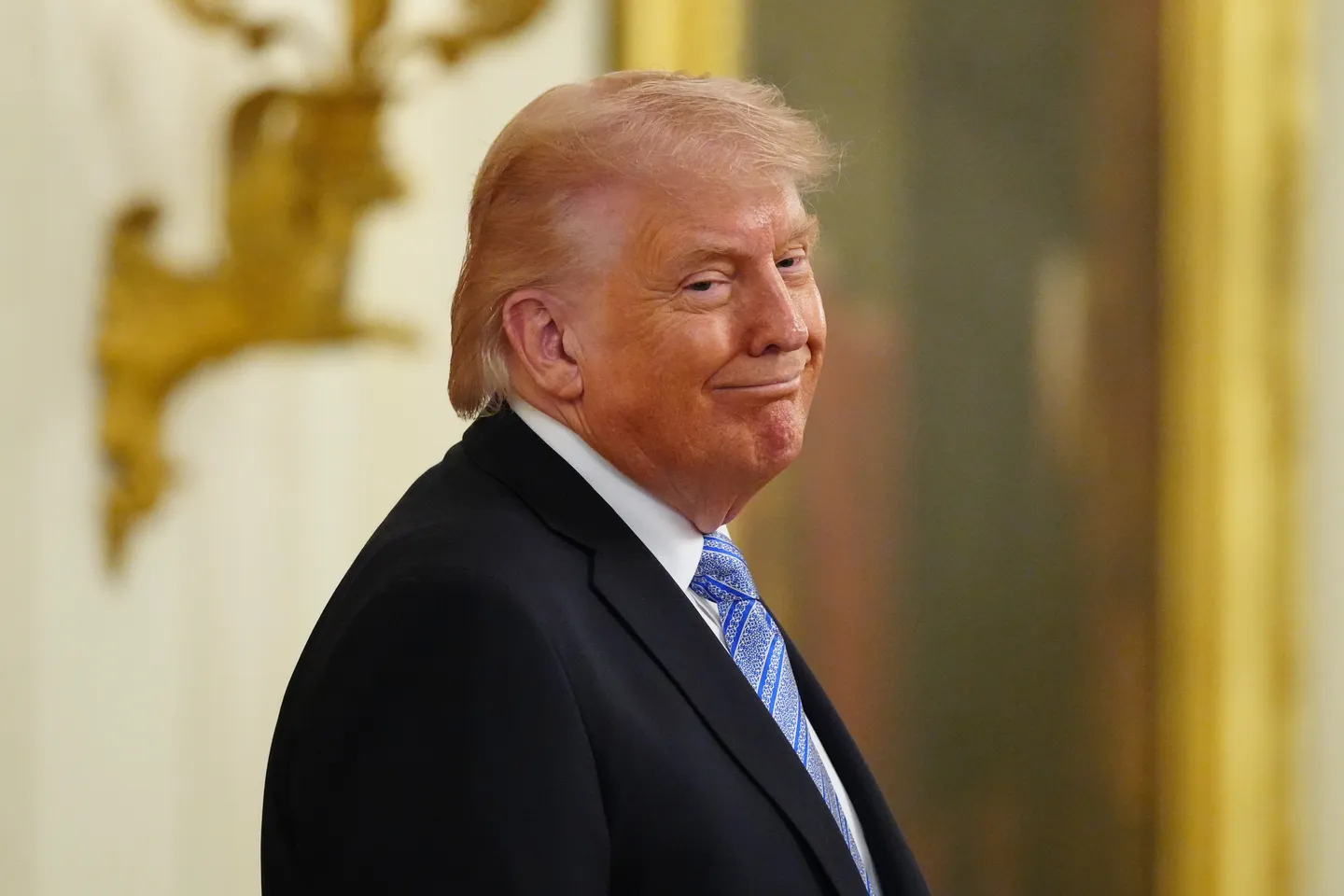
President Donald Trump has said that Yemen's Houthis have agreed not to attack the United States, despite the group recently stepping up its attacks on Saudi Arabia.
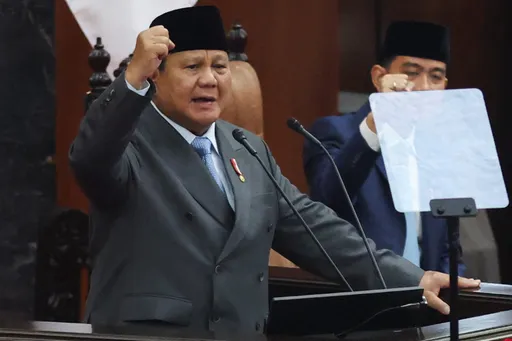
The president said that Washington is "in constant communication with the Houthis and that they've agreed not to fight the United States," Fox News reported.
Trump has made the claim before that the Houthis are holding back from attacking US forces in the region.
"The Houthis called us, and they don't want to fight with us," Trump said during a visit to Ireland on September 12.
"They don't want us to go after them."
The latest comments come as Saudi Arabia is under constant attack by the Houthis, with a missile targeting the capital, Riyadh, on Saturday.
On Iran
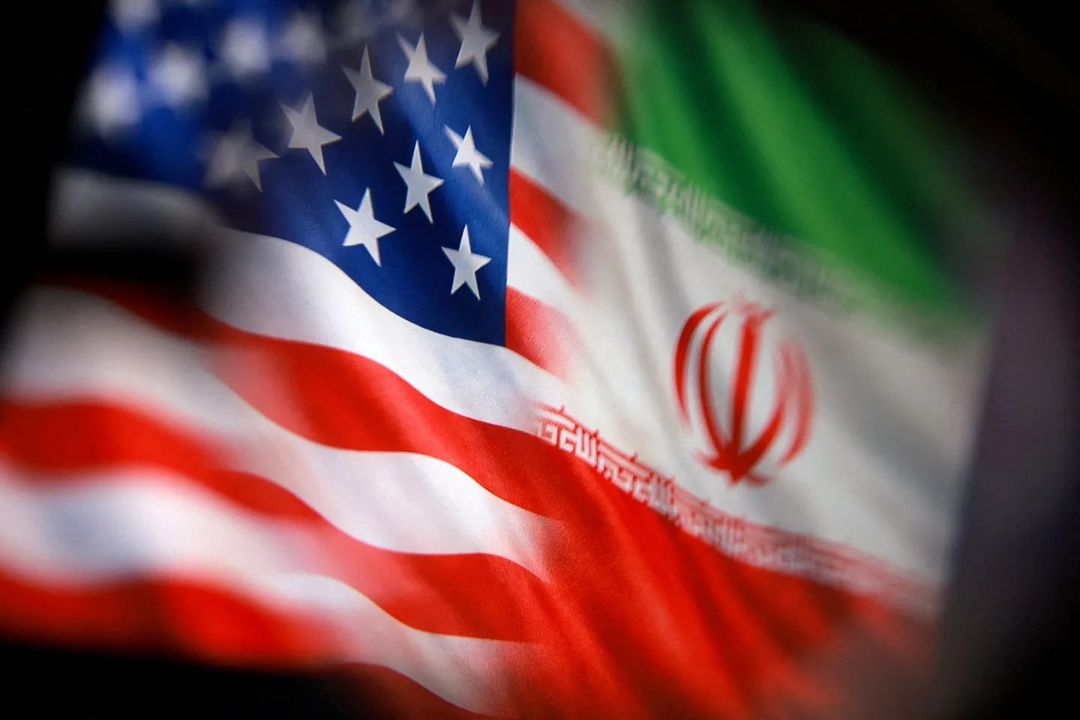
Trump warned that he has entered a critical decision phase on the ongoing Iran war, cautioning that major developments will occur if Tehran fails to change its conduct.
"My question is, if and when do I blow the entire nation up? They had better behave," Trump told Fox News, detailing his approach to the war.
The US president described his current options as wiping the country out, allowing it to "rot" economically, or negotiating a deal, adding that "very big things are going to be happening in the not-so-distant future."
When asked about the UN General Assembly high-level week, which starts on Monday, Trump signalled a willingness to engage diplomatically, saying he would "probably be open" to meeting with Iranian President Masoud Pezeshkian.
Neither Tehran nor Pezeshkian immediately responded to Trump's remarks regarding a potential meeting.
The 81st session of the United Nations General Assembly (UNGA 81) High-level Week is taking place from September 18 to 28 at the UN Headquarters in New York, featuring the core General Debate from September 22 to 28.
Trump recently claimed that the war with Iran would "end after the midterms" of November.
The US State Department on Sunday issued a travel warning, citing escalating friction across the region.
It also cautioned that Iran and groups supporting it may target US interests, businesses, and institutions, as well as locations associated with Americans worldwide.
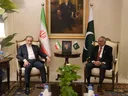
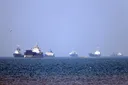
Middle East escalation
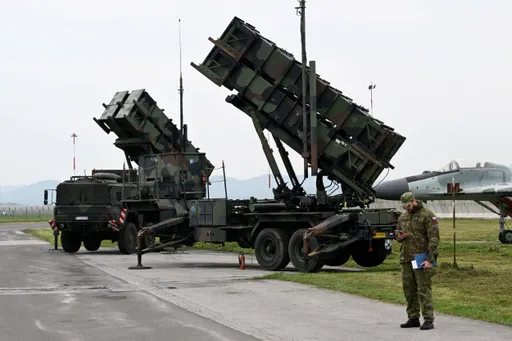
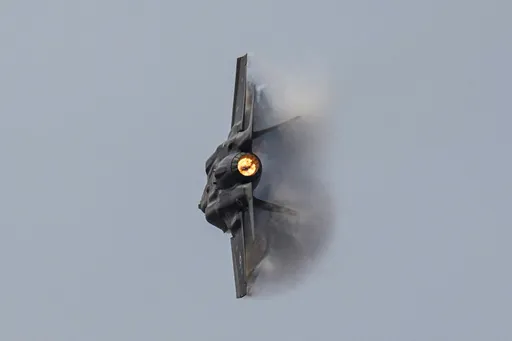
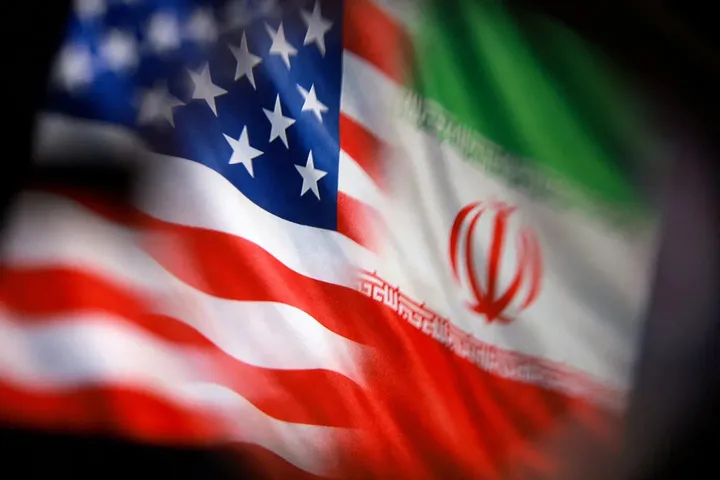
Tensions in the Middle East have heightened after the US and Israel launched large-scale attacks on Iran in February, prompting Tehran to launch missile and drone strikes against US bases across the region.
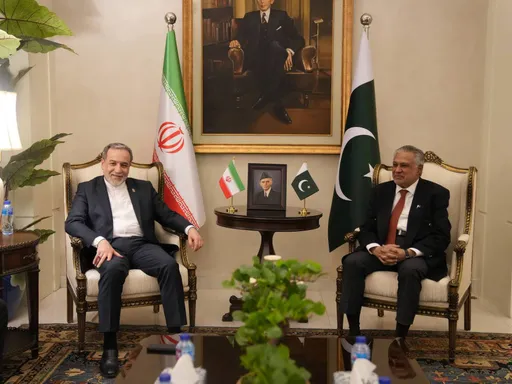
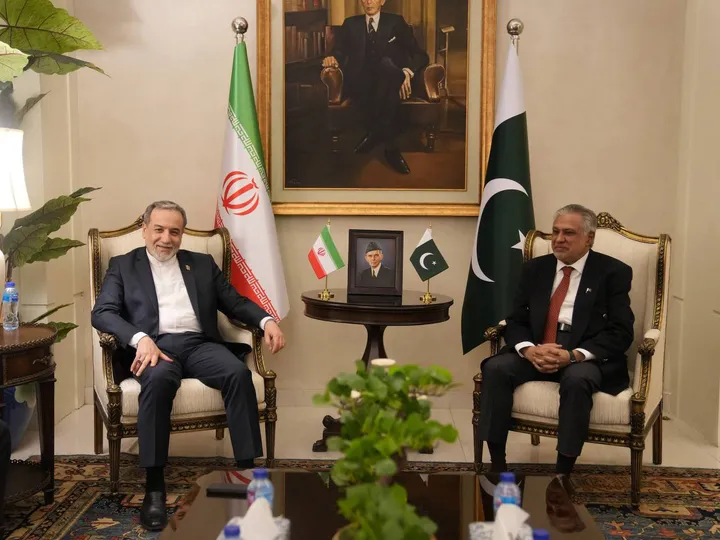
Pakistan acted as a mediator to defuse tensions, helping reach an agreement between Washington and Tehran in June to end their hostilities.
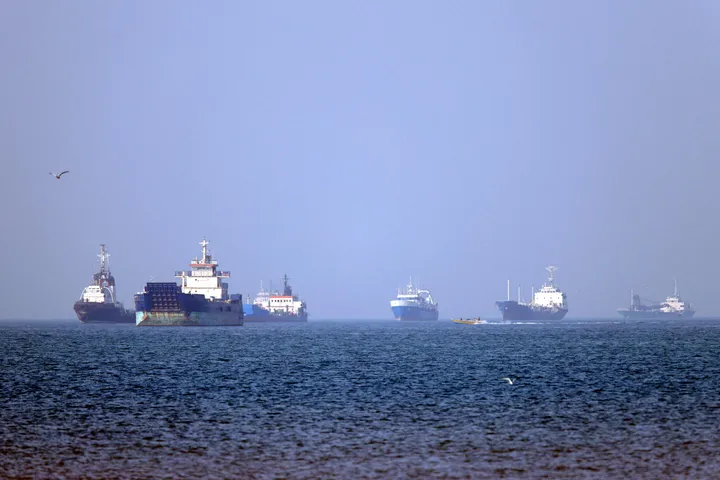
The deal later faltered amid disagreements between the two rivals over the Strait of Hormuz.
Yemen has been engulfed in conflict since the Houthis seized the capital, Sanaa, and several provinces in September 2014, prompting a Saudi-led Arab coalition to intervene in March 2015 in support of the internationally recognised government.
Fighting between the Houthis and the government forces has reignited after a four-year truce collapsed in July, months into the Middle East war between the United States and Iran.
In recent days, hundreds have died in clashes around the Bab al Mandab strait, the mouth of the vital Red Sea shipping route.
The Houthis imposed a naval blockade in July against Saudi Arabia in the Red Sea in response to what they described as a Saudi siege on Yemen, an allegation Riyadh has denied.