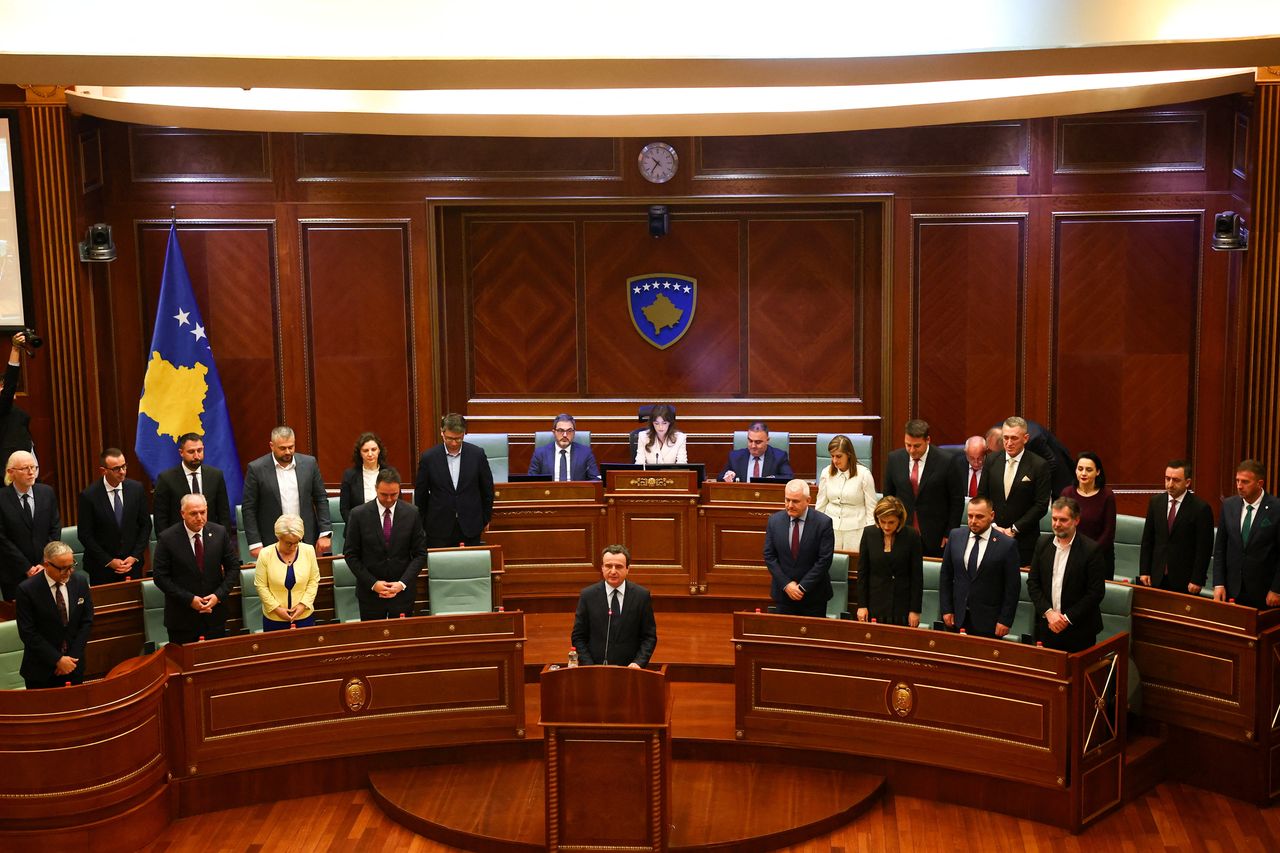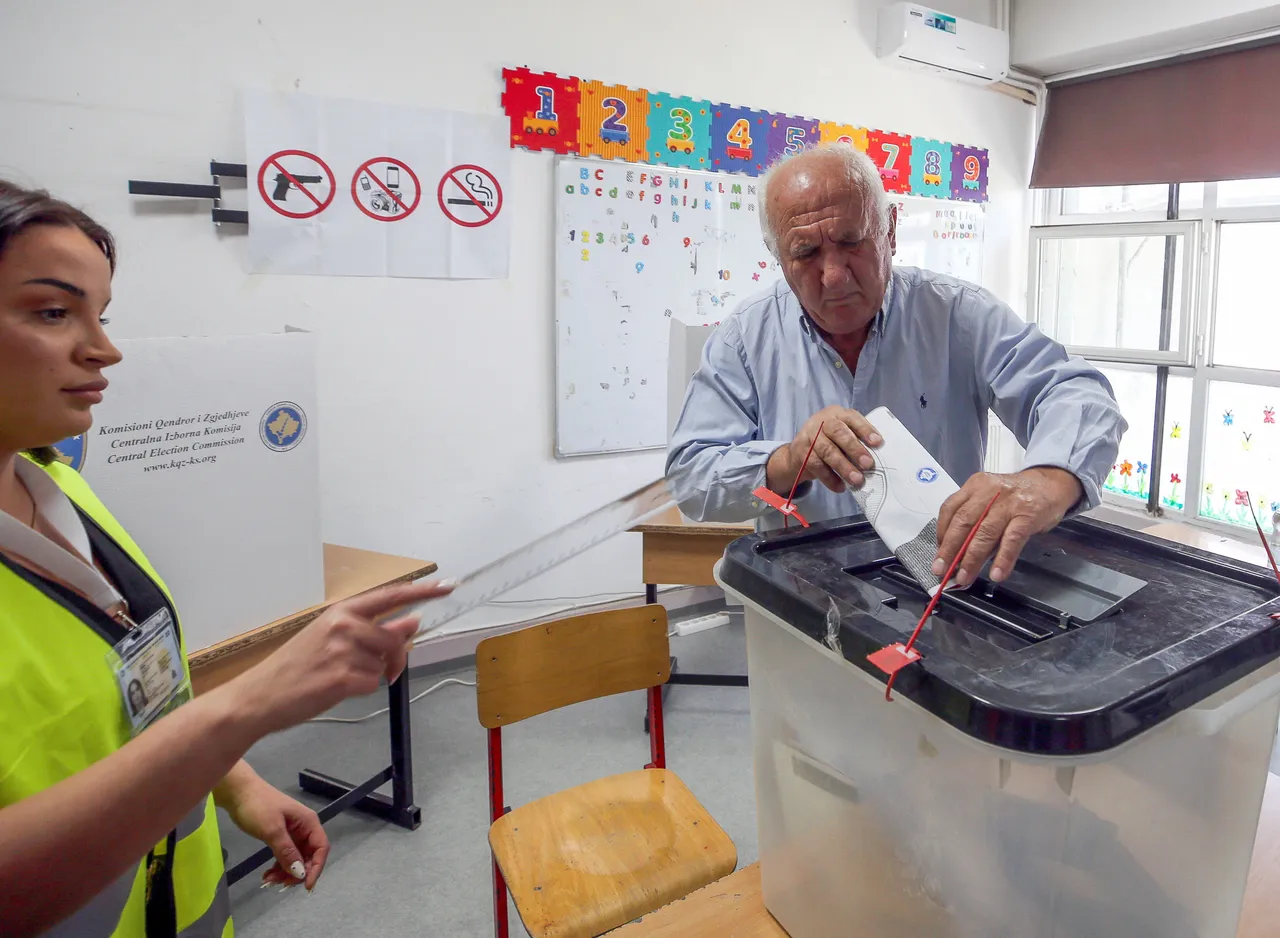
Kosovo headed to the polls in an early parliamentary election on Sunday, with more than 1.9 million registered voters eligible to cast ballots.
A total of 902 candidates from 21 political groups are contesting seats in Kosovo’s 120-member assembly.
The election also includes participation from the diaspora, with 132,212 voters registered to vote from abroad.
Polling stations will remain open until 7 pm local time, while the first unofficial results are expected before midnight.
Kosovo citizens living abroad cast their votes at the country's diplomatic missions on Saturday.
Despite the absence of recent public opinion surveys, political analysts expect the Self-Determination Movement (Vetevendosje), led by incumbent Prime Minister Albin Kurti, to emerge as the largest party in the election.
However, observers do not anticipate any political bloc securing the two-thirds parliamentary majority required to elect Kosovo’s next president.

Main challengers
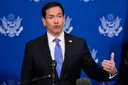
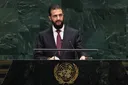
Kurti’s main challengers include Lumir Abdixhiku, the prime ministerial candidate of the Democratic League of Kosovo (LDK), alongside the party’s presidential nominee Vjosa Osmani, and Bedri Hamza, the prime ministerial candidate of the Democratic Party of Kosovo (PDK).
The Kosovo Democratic Turkish Party (KDTP) is also participating in the election, fielding 22 candidates in a bid to secure the two parliamentary seats reserved for Kosovo Turks.
Kosovo previously held a general election on February 9, 2025, followed by an early parliamentary election on December 28, 2025.
In the December vote, Vetevendosje won 51.1 percent of the vote, and the government led by Kurti later received a vote of confidence in parliament on February 11.
Former President Vjosa Osmani transferred presidential duties on an interim basis to Assembly Speaker Albulena Haxhiu on April 4 following the expiration of her five-year mandate.
The Kosovo Assembly was dissolved on April 29 after lawmakers failed to elect a new president within the constitutional deadline.