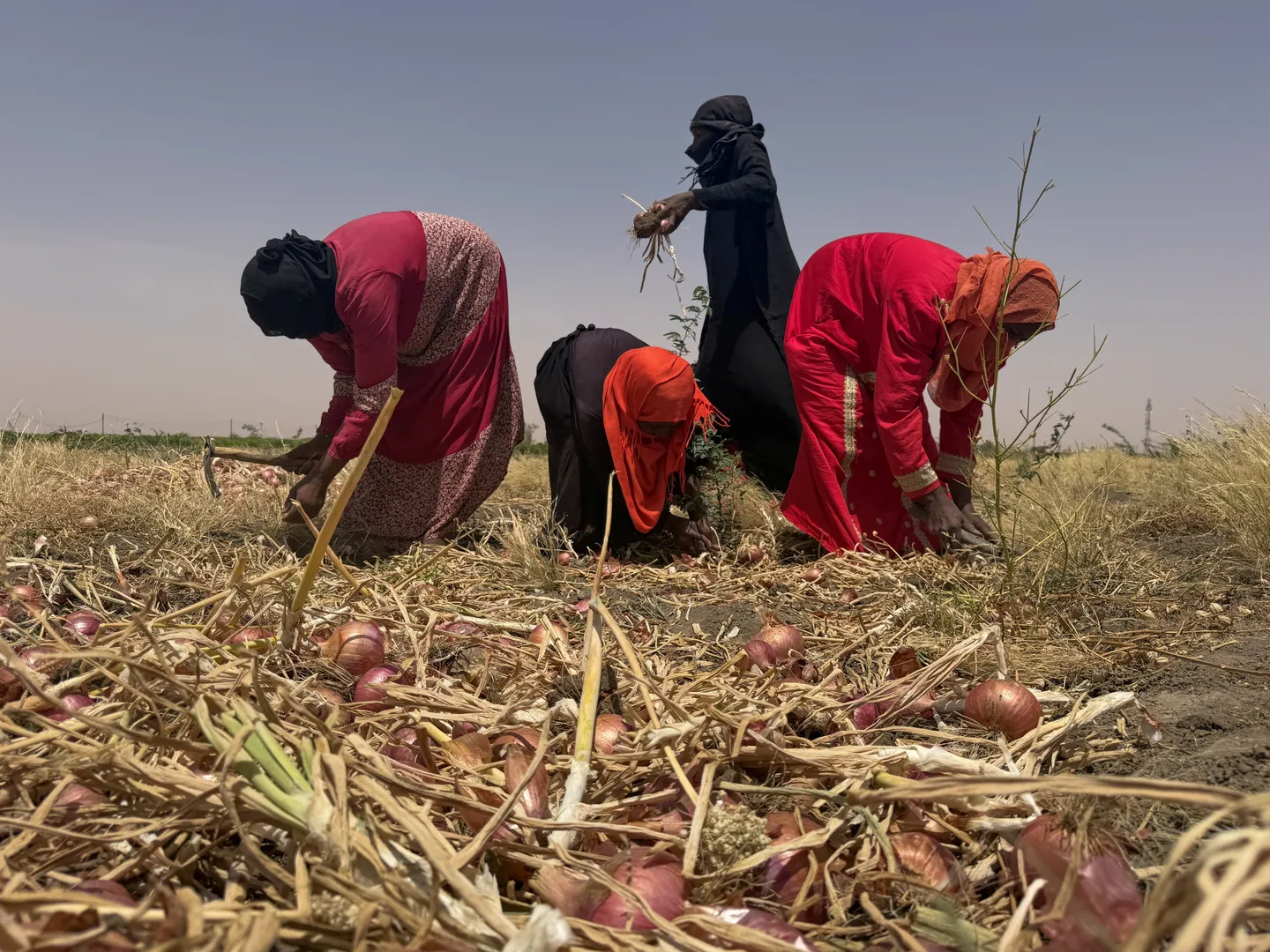
Farmers across Sudan say the hike in global fuel and fertiliser costs resulting from the US/Israeli war on Iran will force them to cut back on planting this summer, restricting food production in a country where war has caused acute hunger.
Eight farmers from different parts of Sudan, as well as experts working in the sector, told Reuters that fuel and fertiliser price increases would compound problems caused by a civil war, hitting staple domestic crops such as sorghum and millet as well as exports like sesame.
Sudan is particularly vulnerable to the fallout from the Iran crisis as it relies on the Gulf for more than half of its fertiliser needs, according to UN data, while the war between the Sudanese army and the paramilitary Rapid Support Forces has left it entirely dependent on fuel imports.
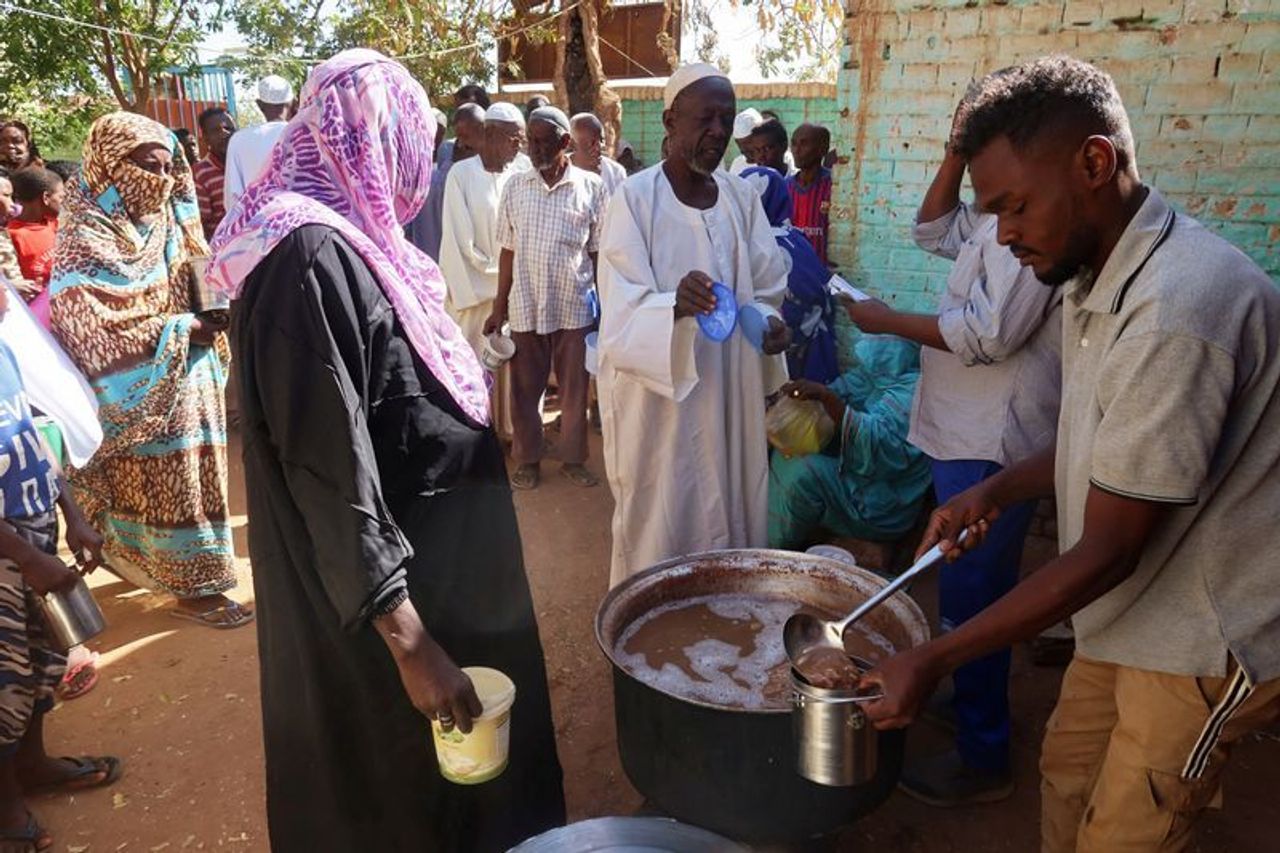
Sudan is already facing severe food insecurity amid shrinking aid, with 19.5 million people experiencing crisis-level hunger and some areas at risk of famine. Despite strong agricultural potential and Gulf interest, decades of conflict and mismanagement have weakened a sector that supports most livelihoods.
The regional war has added "salt to the wound," said Sadig Elamin, the UN Food and Agriculture Organization's senior food security analyst in Sudan, warning that overall production could fall by "not less than 40 percent."
A sustained shock risks worsening hunger "well beyond the current food crisis," the UN's humanitarian office said this month.
War prices
After more than three years of war, Sudan’s army controls central and eastern areas while the paramilitary RSF hold much of Darfur, with both sides battling Kordofan, a key agricultural region. Farmers near Khartoum had hoped for recovery after RSF withdrew last year.
Now, however, farmers face fertiliser prices up 67 percent year-on-year and prices for fuel - including diesel used in irrigation pumps - have more than doubled, according to national surveys.
“At that price we don’t make a profit, you spend your whole profit on the diesel,” said one farmer, Bashir Ismail.
Only 500 out of a total of 10,000 feddans (4,200 hectares) have been planted about halfway into the planting season, said Omar al-Ebeid, secretary for the scheme’s farmers' committee.




“The RSF left in February of last year. Nothing has been fixed since then,” said Mohamed Balla, head of a farmers' collective in the Gezira scheme, which produced around half the country’s sorghum and wheat before the country’s civil war.
As fuel and fertiliser prices have shot up, prices for harvested crops have stayed stagnant.
National cereal production, which had already dropped by a quarter from the pre-war average, according to the FAO, could fall further.
“Two sacks of wheat buy you one sack of urea. So we won’t grow it again,” Balla said.
Sudan’s state-backed Agricultural Bank, weakened by the conflict, has been criticised by farmers for costly inputs and low crop prices that deepen debt. Officials say new financing measures, fuel support and irrigation repairs are being developed to ease pressure on farmers.
Machinery looted
In Kordofan and Darfur, continued lawlessness is threatening the production of sesame, peanuts, gum arabic, and millet.
“There is no funding for farmers, no machinery for planting and ploughing the land, and no security because the RSF and other gangs loot the crops and demand money at every checkpoint,” said Mohamed Adam, a farmer displaced from West Kordofan state to army-controlled El Obeid in North Kordofan.
Three farmers from the area told Reuters that tractors were looted in raids and farmhands recruited to fight, while entire communities had been displaced, meaning very little land has been prepared in rain-fed fields for the upcoming season.
Khalid Abdellatif, director at CTC Group, one of the country’s largest agricultural suppliers, said sending supplies into the regions was expensive and risky, and small-scale subsistence farmers in particular were struggling.