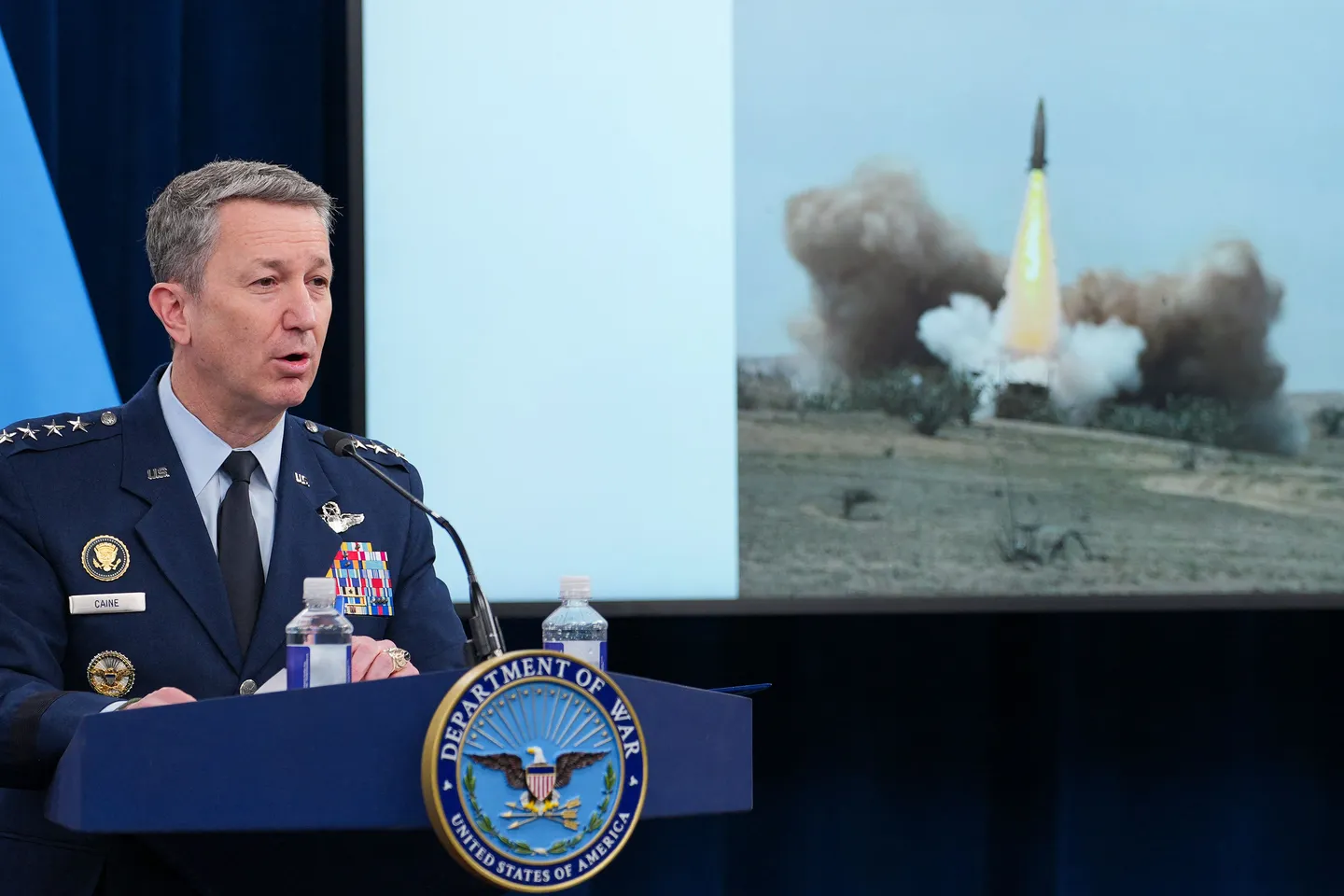
US Chairman of the Joint Chiefs of Staff General Dan Caine has privately urged senior Trump administration officials to seek a way to de-escalate the US war on Iran, amid concerns that available military options could produce limited results and trigger wider retaliation, according to a report.
Citing three sources familiar with the discussions, US broadcaster CNN reported that Caine raised his concerns with senior officials including, CIA Director John Ratcliffe, Secretary of State Marco Rubio and Vice President JD Vance.
The report said Caine and other officials believe airpower alone is unlikely to force Tehran to accept US demands, despite President Donald Trump's continued preference for avoiding a ground invasion.
Caine and other senior officials were reportedly skeptical of a proposed escalation in late July, partly due to concerns about Iranian retaliation against US allies and regional energy infrastructure. Trump ultimately postponed the operation after Gulf partners warned of possible attacks, said the report.
It also highlighted growing concerns about depleted US weapons stocks, including air-defense interceptors and other precision munitions, which could constrain Washington's ability to sustain a prolonged conflict.
Noting that Caine has warned Trump about the military risks, CNN said he also emphasised US forces could inflict significant damage on Iran if ordered to escalate.
The report said administration officials are now looking for an outcome Trump could portray as a political victory while leaving room for diplomacy, including a possible agreement to reopen the Strait of Hormuz.



US war on Iran
Regional tensions escalated on February 28, when Israel and the US launched coordinated war on Iran targeting military, nuclear, energy and civilian infrastructure, with strikes quickly killing the longtime supreme leader, Ali Khamenei, and much of the other top brass, as well as hundreds of civilians.
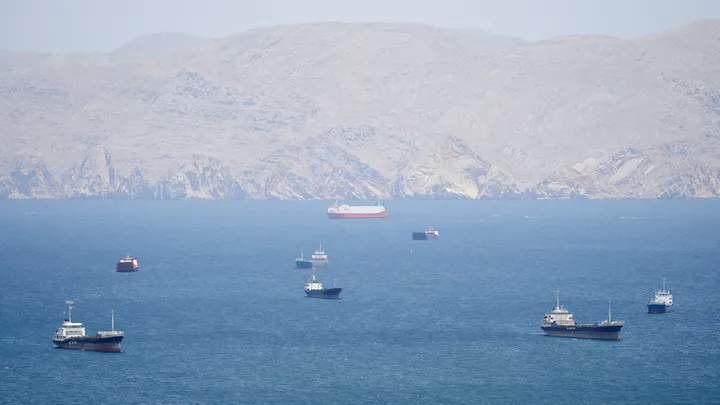
But Iran quickly hit back by exerting control over the Strait of Hormuz, the narrow passageway through which one-fifth of global oil once sailed, and it has rained missiles and drones on Gulf states.
On June 18, Iran and the US signed a memorandum of understanding through Pakistani and Qatari mediation, ending active hostilities and launching negotiations toward a final agreement.
The talks later stalled over disputes related to maritime security and freedom of navigation through the Strait of Hormuz, a critical export route for Gulf oil and gas.
A US official on Friday reported progress between Iran and Oman that could soon reopen the Strait of Hormuz, potentially restoring oil exports that have been disrupted by the five-month-old US war on Iran.
The US official, who declined to be identified, said Washington anticipated an agreement soon between the two countries, which sit on either side of the strait, so that normal oil traffic could resume.
A deal between Iran and Oman over control of the strategic waterway is seen as crucial to a wider peace agreement.
"There is progress between Oman and Iran on the strait, and we expect a deal soon," a US official told Reuters news agency on Friday.