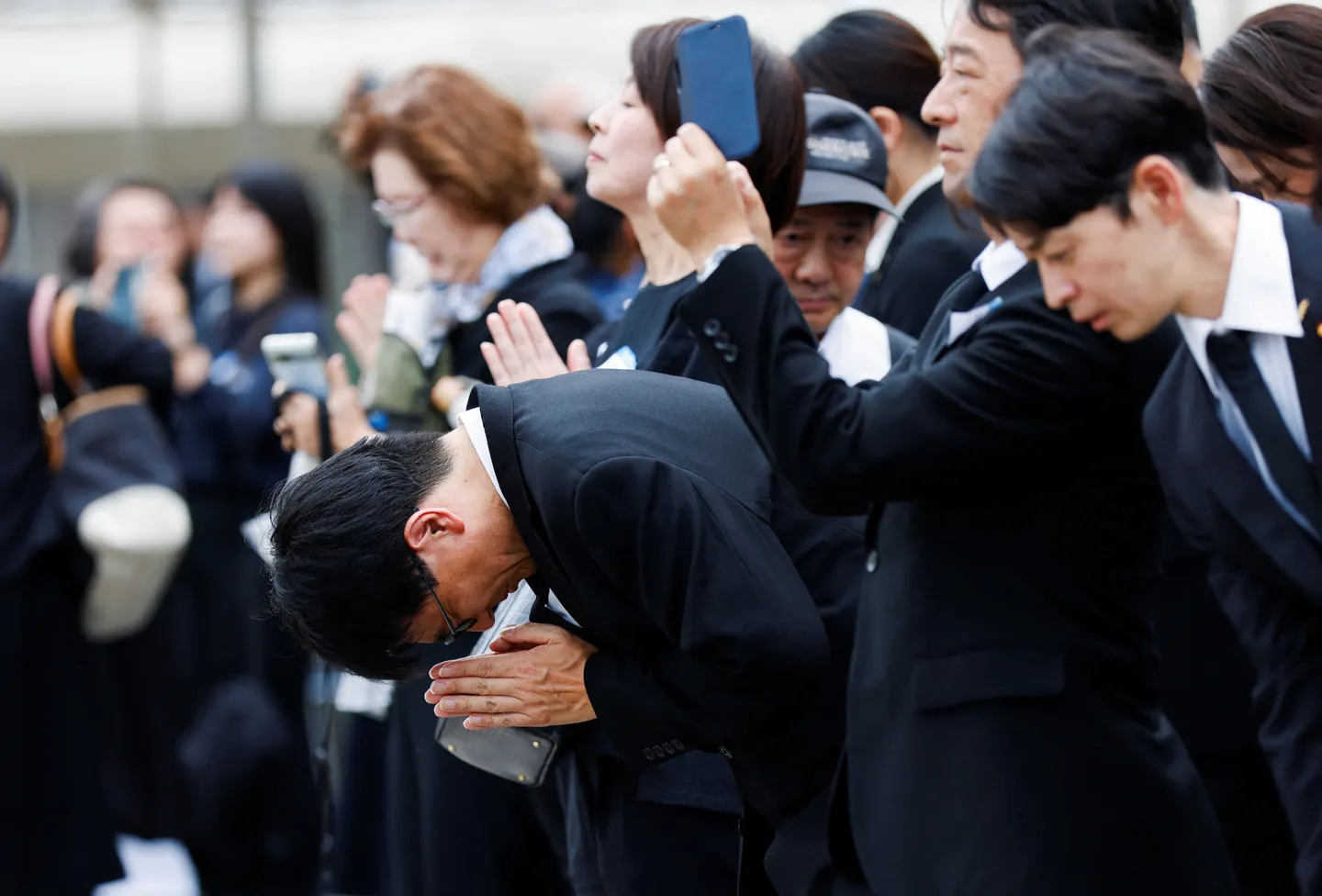
Nagasaki on Sunday marked the 81st anniversary of the US dropping an atomic bomb on the city amid a push for renewed debate over nuclear weapons in a challenge to the nation’s long-time pacifist stance.
"Nuclear weapons are not a 'necessary evil' but an 'absolute evil,' and can never coexist with humanity," Nagasaki Mayor Shiro Suzuki said in a Peace Declaration read out during the annual memorial ceremony for the attack on the south-western city.
Prime Minister Sanae Takaichi reiterated her message from last Thursday’s Hiroshima commemoration that Japan is continuing to uphold its three non-nuclear principles.
A moment of silence was held at 11.02 am local time when the plutonium device codenamed "Fat Man" was dropped by a US bomber and exploded over Nagasaki.
The commemoration comes as the Middle East conflict and Russia-Ukraine war continue to shake the globe.
Suzuki warned nuclear powers and nations relying on nuclear deterrence of the increased risk of a war using nuclear weapons, pointing out that more than 12,000 nuclear warheads still exist.
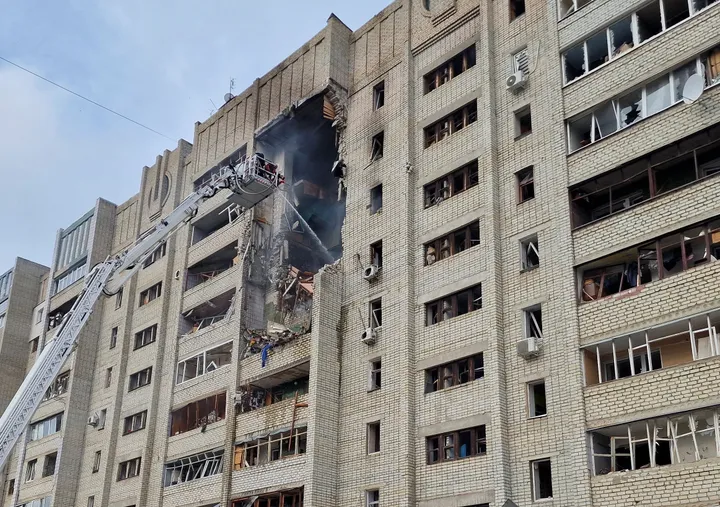
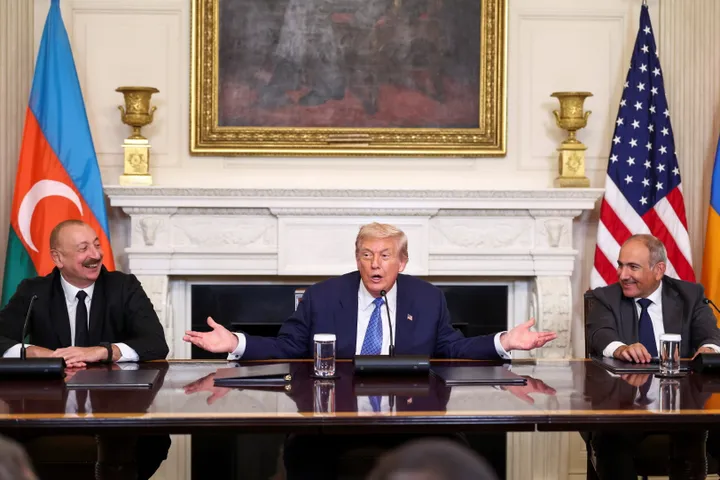

He expressed concern over conflicts in the Middle East and Ukraine, where nuclear powers Russia and the US are involved.
Takaichi said that under a pledge to ensure Nagasaki remains the final place to suffer a nuclear attack and with a mission as the only country to have experienced the horror of nuclear devastation in war, Japan will promote "realistic and practical" efforts towards realising a world free of such weapons.
"The importance of promoting an accurate understanding around the world of the realities of the atomic bombings is growing ever greater," she added.
This year's commemoration comes amid a growing debate over whether to rethink Japan's longstanding three non-nuclear principles of not producing, possessing or allowing nuclear weapons.
Last month, Defence Minister Shinjiro Koizumi said Tokyo needs a debate on nuclear weapons, as some European countries are seeking greater nuclear deterrence.
The 6 August 1945 Hiroshima bombing during World War II left an estimated 140,000 victims dead by the end of the year, while an atomic bomb dropped on the city of Nagasaki three days later killed an estimated 74,000 people.
Japan surrendered on 15 August, bringing an end to World War II.