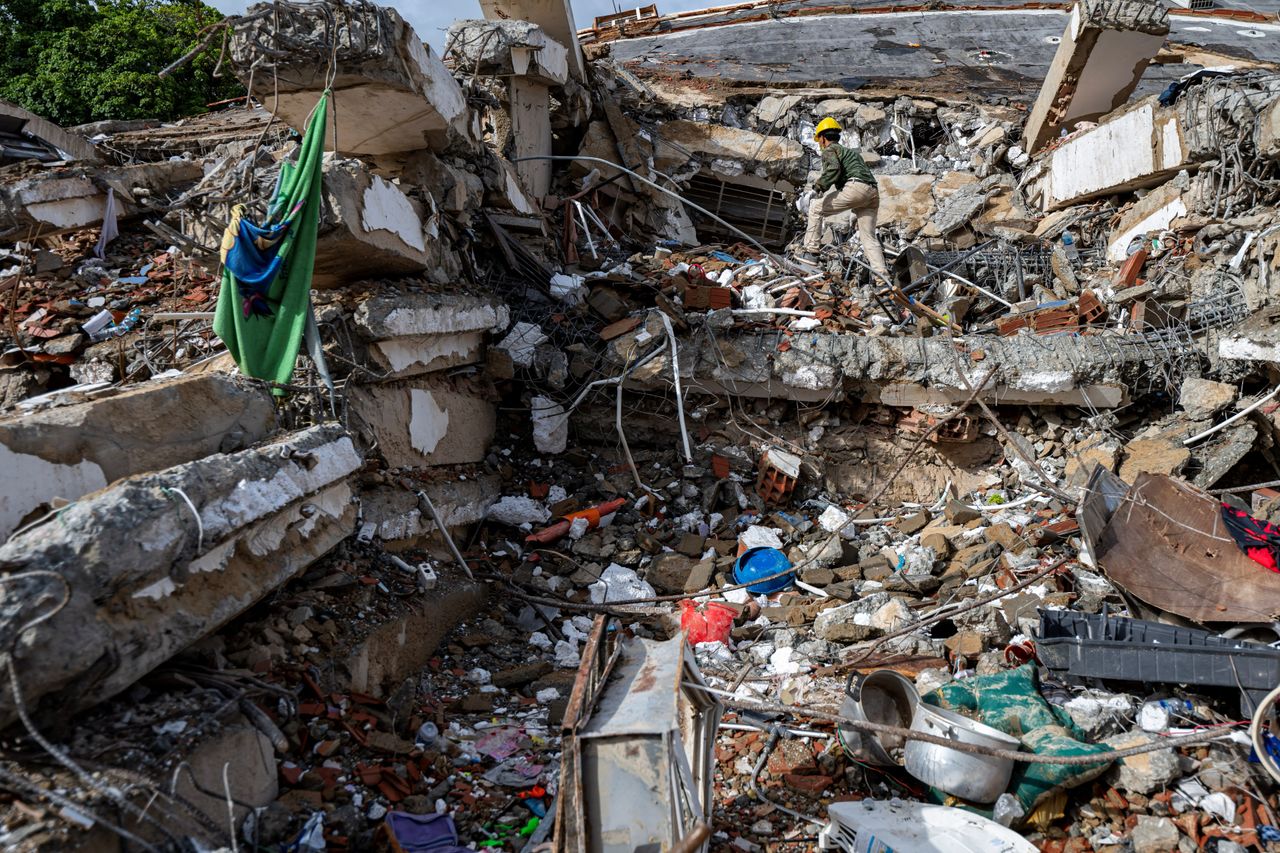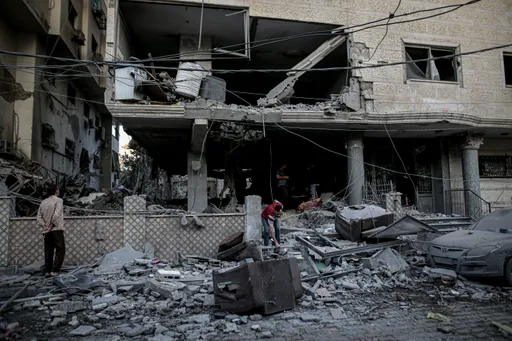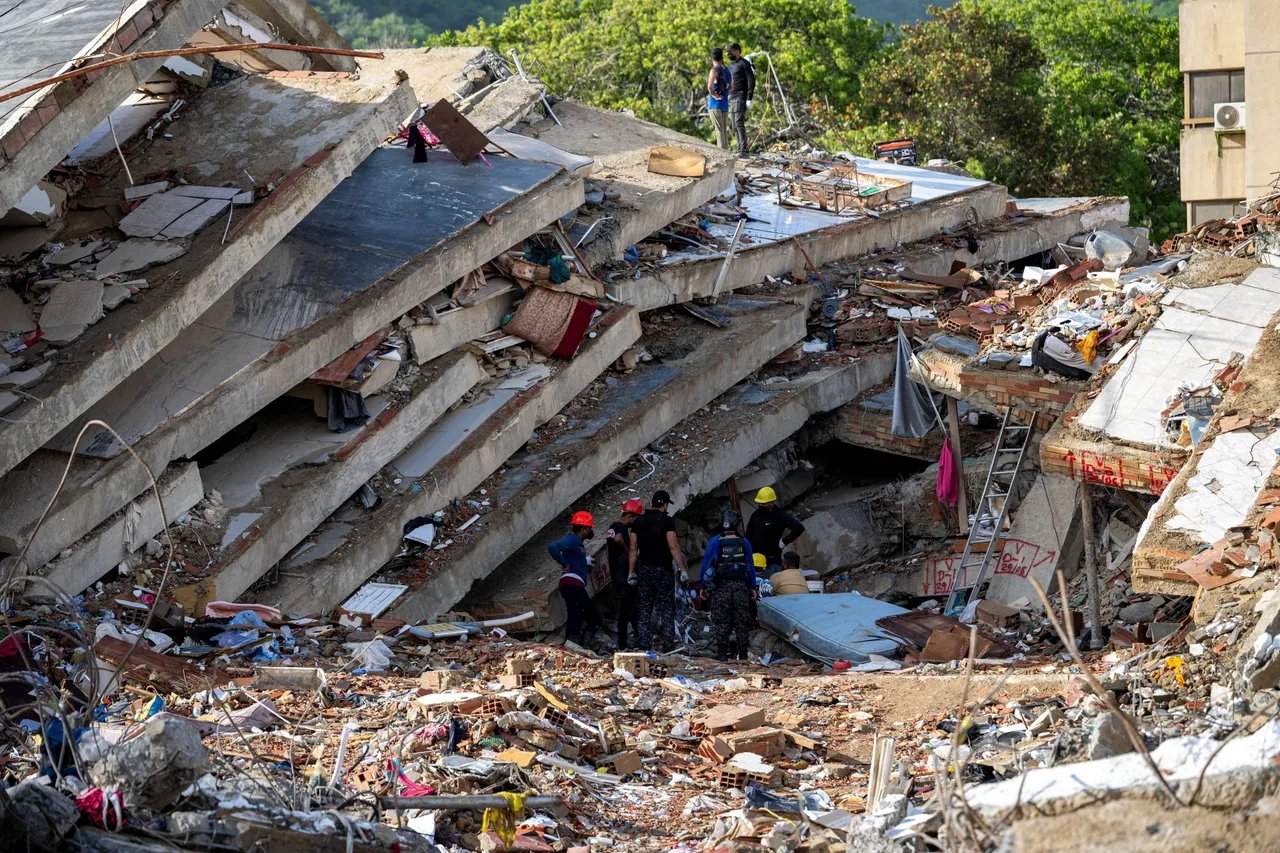
A Turkish-made through-the-wall radar system is helping rescue teams save lives by locating people trapped under rubble after last week’s earthquakes in Venezuela, marking the technology’s first international operational mission.
The STM Behind-the-Wall Radar, known as DAR, was developed domestically by Turkish defence firm STM.
The system is being used by Natural Disaster Search and Rescue teams under the Turkish Armed Forces’ Humanitarian Aid Brigade Command, which went to Venezuela following the twin quakes, STM said in a statement.
DAR previously played an active role in search-and-rescue operations after the Feb. 6, 2023 earthquakes centred in Kahramanmaras, Türkiye, which killed tens of thousands in both Türkiye and neighbouring Syria. During those operations, the technology helped locate more than 50 people trapped under debris, enabling them to be rescued alive.
The system is currently in active use in the Turkish Armed Forces, Gendarmerie General Command, and Turkish National Police.
DAR uses ultra-wideband signals to obtain two-dimensional location data on stationary and moving targets in enclosed areas where visual access is not possible.







The system can be used in military scenarios such as hostage rescue, counterterrorism, and internal security operations, while also serving civilian purposes, including search-and-rescue work after earthquakes, avalanches, and fires, as well as efforts against human trafficking and migrant smuggling.
The radar can detect the precise location of a living person under rubble by identifying micro and macro movements, including chest, hand, and arm movements caused by breathing.
Weighing only about 6.5 kilograms (14.3 pounds), DAR transmits radio-frequency signals to determine whether a living person is behind a wall or other obstruction. It can also identify how deep the person is located and their exact position.
Designed for single-person handheld use, the system can also be mounted on a tripod or similar equipment and operated remotely via a tablet computer. Its battery allows uninterrupted operation for more than four hours.