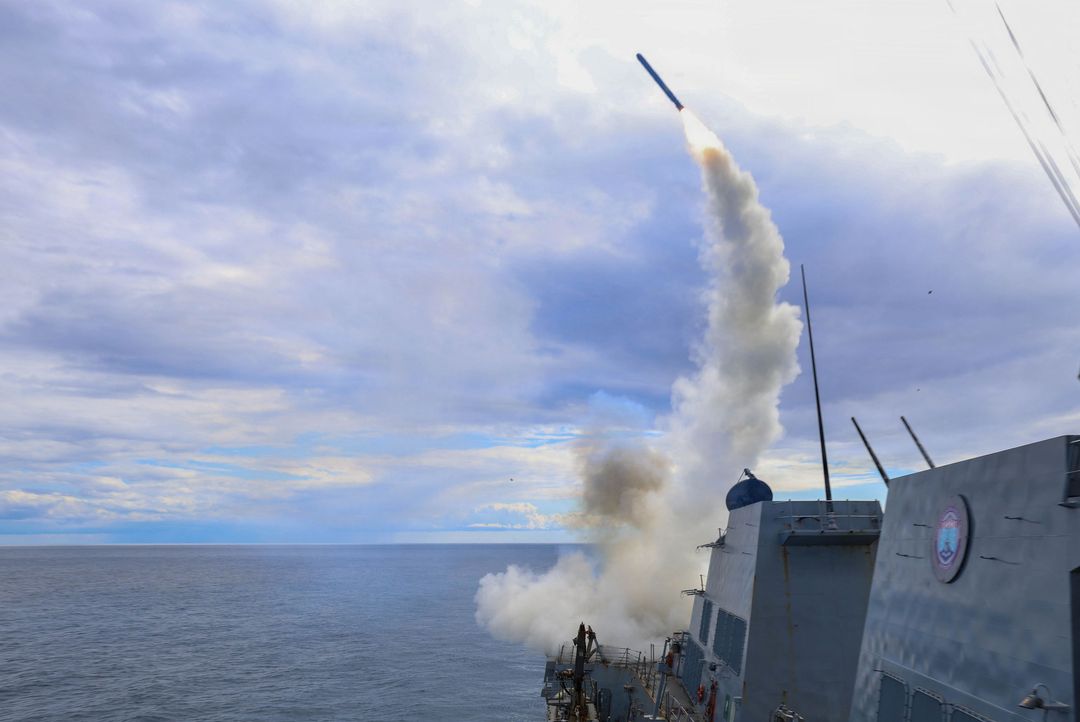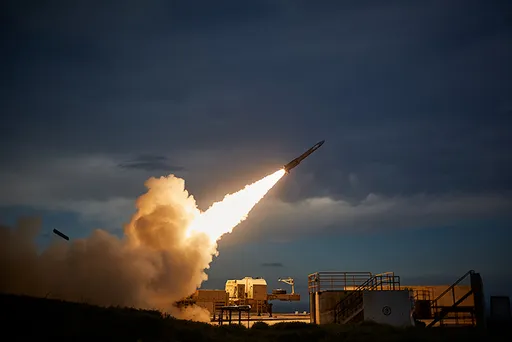
US Central Command (CENTCOM) has said that its forces struck and disabled three Iranian crude oil tankers after the Iranian Revolutionary Guard (IRGC) launched ballistic missiles towards two US Navy warships in regional waters.
In a statement shared on X on Saturday, CENTCOM said an aircraft carrier and a guided-missile destroyer successfully evaded multiple Iranian attacks, adding that no American personnel were injured.
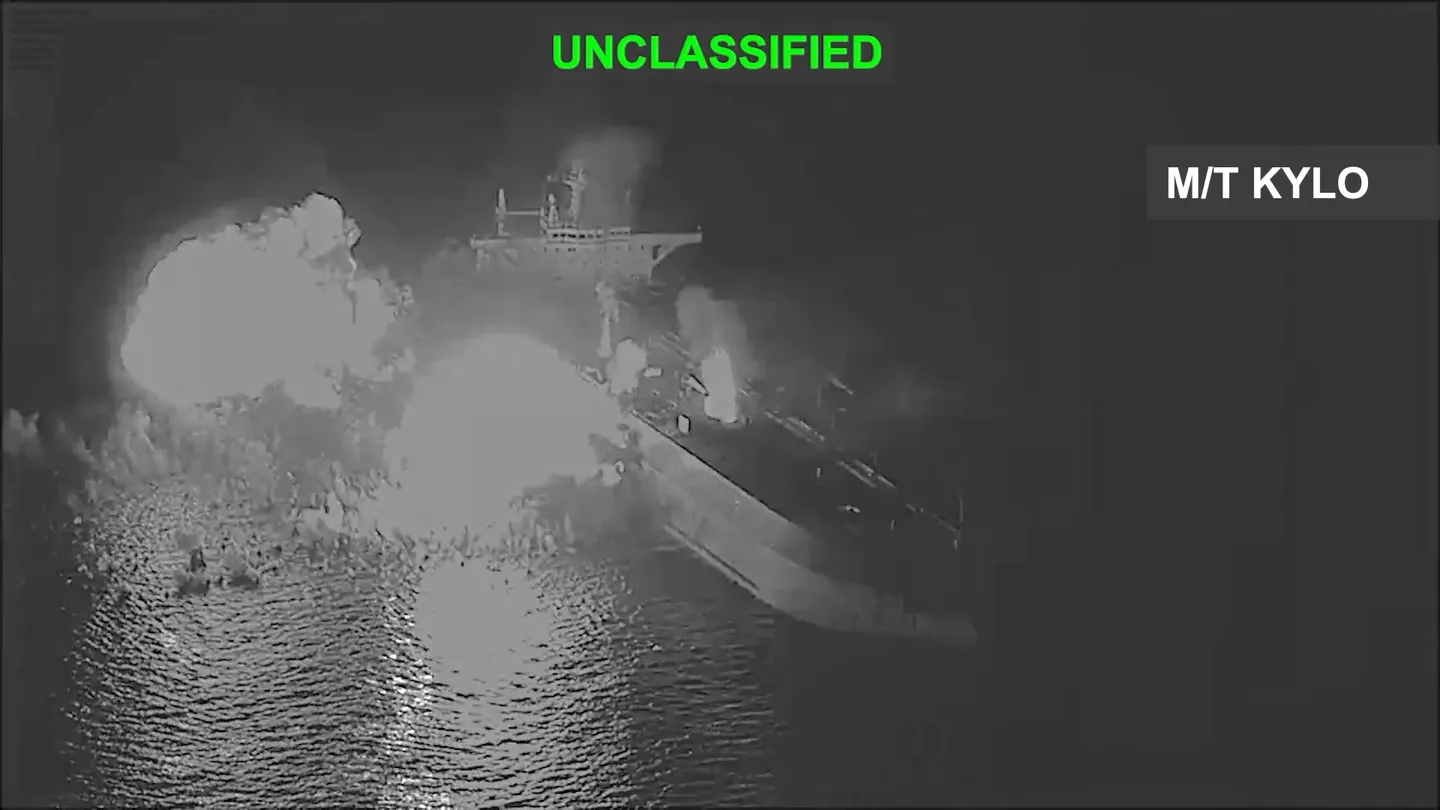
According to the statement, US forces permanently disabled the M/T Downy off the coast of Kharg Island and the M/T Stark 1 near Jask. They also destroyed the unladen M/T Kylo, also known as the "Noxen", in the Gulf of Oman after its crew was ordered to abandon ship.
CENTCOM said the vessels were part of a “multibillion-dollar shadow network” allegedly used to finance the IRGC and its regional proxies.
“Let the message to the IRGC be clear: if you shoot at two of our ships, we will impose an even higher economic cost, taking out three of yours,” CENTCOM commander Brad Cooper said.
“We will not hesitate to defend American forces, and if necessary, destroy Iran’s limited and exposed oil fleet,” he added.
Earlier reports from Iranian state media reported an explosion near Kharg Island, a key oil terminal in the Gulf.
Iran's Student News Agency (ISNA) reported that a missile had struck a "small vessel" near the island, with no casualties reported.

The semi-official Fars news agency said explosions were heard near Kharg Island, though their origin was initially unclear, while state-affiliated Nournews cited unconfirmed local reports that an Iranian tanker had been targeted by a US missile.
A Fars correspondent on Kharg Island reported hearing explosion sounds from the Gulf but said no smoke was visible. Iranian authorities had not issued an official statement on the incident at the time of the initial reports.
Regional tensions have escalated since US-Israeli attacks on Iran began on February 28, with Tehran responding with missile and drone strikes against Israel and US interests across the region.
Washington and Tehran signed a memorandum of understanding on June 18 concerning freedom of navigation through the Strait of Hormuz, but its implementation has stalled amid disagreements over security arrangements in the strait.