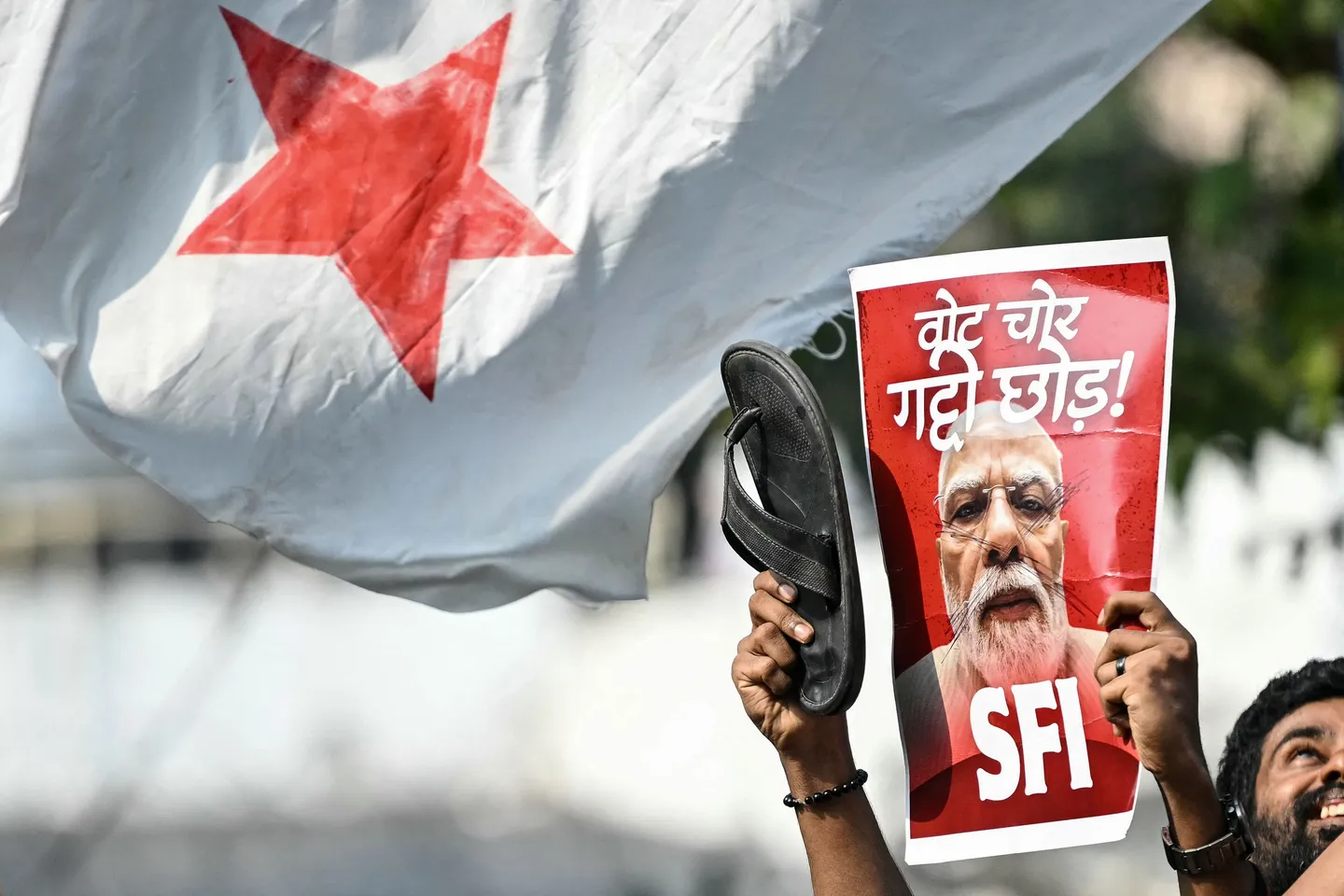
US Congresswoman Pramila Jayapal has slammed India's removal of over 133 million people — roughly equivalent to the population of Mexico — from electoral rolls via the Special Intensive Revision (SIR) process, equating it to US voting rights challenges under the Republic administration and affirming support for non-violent Indian protests demanding free and fair elections.
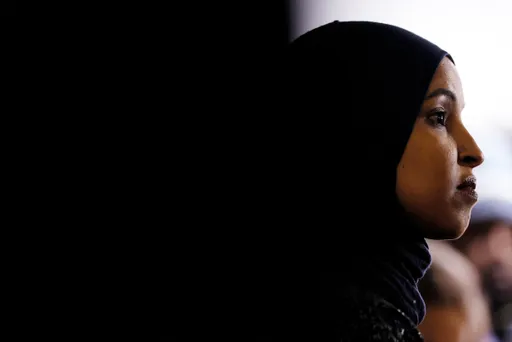
"I am deeply concerned about the actions of the Indian government to purge 130 million people from the voting rolls. This appears to be a similar playbook to what the Trump administration is doing here at home to undermine voting rights in a democracy," Jayapal wrote on X on Wednesday.
Jayapal was comparing the situation to 2026 US administration’s efforts to audit state voter rolls for non-citizens, which courts have blocked in several cases over concerns about privacy violations and potential disenfranchisement of eligible voters.
The Indian-American House representative expressed her support for youth activists and opposition parties who are demanding the resignation of India's chief election commissioner, Gyanesh Kumar, who they say has manipulated voter rolls to benefit Prime Minister Narendra Modi's ruling right-wing party.
"Protecting democracies everywhere is essential work, and the Indian people — like the American people — deserve free and fair elections. Non-violent resistance movements are essential in these moments and I stand with the Indian people who are engaging in non-violent protests to counter anti-democratic efforts in India," Jayapal added.
India's Election Commission claims the deletions as targeting dead voters, permanently shifted residents, and untraceable individuals to clean up rolls, but critics including opposition parties and many media reports say the deletion has disproportionately impacted Muslims and other groups who are less supportive of Modi's Bharatiya Janata Party (BJP).
'Basic targets were the Muslims'
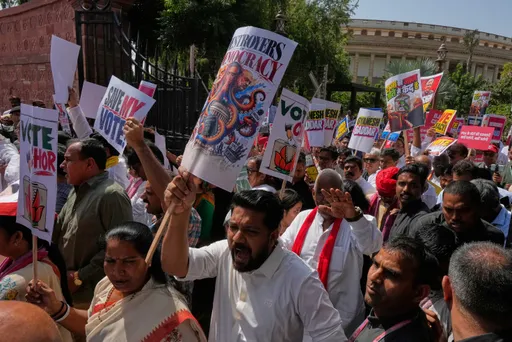
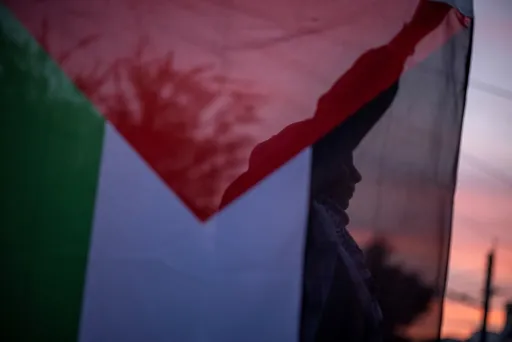
Widespread protests have erupted across Indian cities against the exercise, with calls for the chief election commissioner's resignation and Supreme Court involvement, amid claims some living citizens were removed despite opportunities to re-enroll.
In northern West Bengal state for example, over 9.1 million voters—more than 10 per cent of the electorate—were removed from rolls by April 2026. Despite appeals by 2.7 million people, they remain excluded.
In Nandigram area of the state, an analysis revealed that Muslims made up 95 per cent of voter roll deletions in certain lists, despite accounting for only 25 per cent of the electorate.
Non-Muslims, who constitute roughly 75 percent of the population, accounted for just 4.5 percent of deletions, according to data sourced from India’s election commission.
The electoral list revision, which began last year, has led to more than 133 million names being removed from voter rolls, according to media reports. Critics say the exercise has disproportionately affected minorities, particularly Muslims.
According to The Hindu newspaper, Muslims, who make up 13.6 per cent of voters on the draft electoral roll in the capital, New Delhi, accounted for 20.3 per cent of those flagged for "logical discrepancies" and 30 percent of those flagged under five categories indicative of family size by the Election Commissionr's ERONET software.



In northern Bihar state, which didn’t have "logical discrepancy" checks, Muslims accounted for 18.4 percent of deleted electors, in line with their 17.7 percent share in population, the newspaper reported on Wednesday.
Recent investigative reports indicate that BJP agents attempted the mass deletion of Muslim voters from electoral rolls during a statewide revision exercise in India's eastern Odisha state.
Reports across Indian states including Uttar Pradesh, Gujarat, and Madhya Pradesh detail systematic efforts to disenfranchise Muslim voters through targeted voter list deletions, registration hurdles, and discriminatory labelling.
In interview with India Today, former chief election commissioner S Y Quraishi argued that the scale and execution of voter deletions showed bad faith, stating, "Basic targets were the Muslims, and potentially all non-BJP voters."
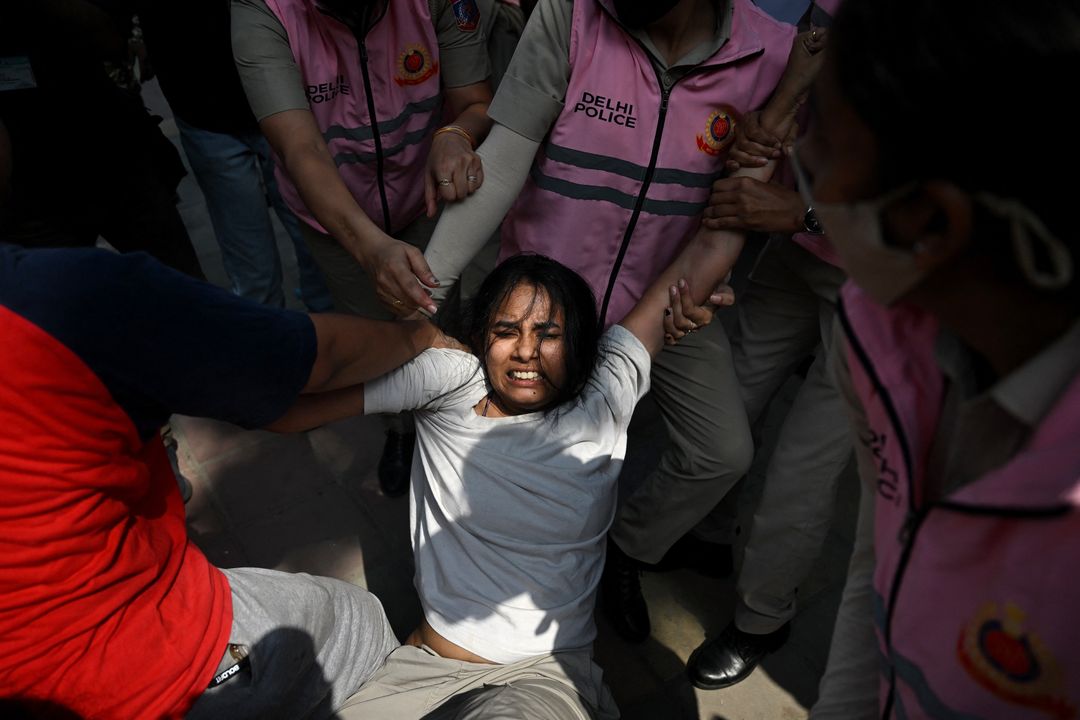
India arrests 'cockroach' movement members
Meanwhile, two leaders of India's youth-led movement Cockroach Janta Party (CJP), led by founder Abhijeet Dipke, were remanded in custody for five days, as police clamp down on protests against the election commission.
Delhi Police said CJP leaders Ashutosh Ranka, 30, and Saurav Das, 27, were taken into custody for their "alleged repeated attempts to disturb public peace and violate the law".
Parliamentary opposition leader Rahul Gandhi, from the Congress party, backed the protest leaders.
Rights advocates and critics say Modi's right-wing government has eroded democratic freedoms during more than a decade in power, citing pressure on journalists, civil society groups and political opponents — allegations the government rejects.
Human Rights Watch said on Wednesday the Indian government must uphold the right of citizens to protest peacefully.
"The Modi government should stop throwing young protesters in jail and instead engage with them to address concerns over the right to vote and fairness of elections," it said in a statement.
Home Minister Amit Shah, Modi's powerful right-hand man, has dismissed the protests as localised and accused Gandhi of pursuing an "action plan to protect infiltrators".
"The people of India are not going to fall for your deception," he said, predicting a "resounding majority" for government in the next general election, due in 2029.