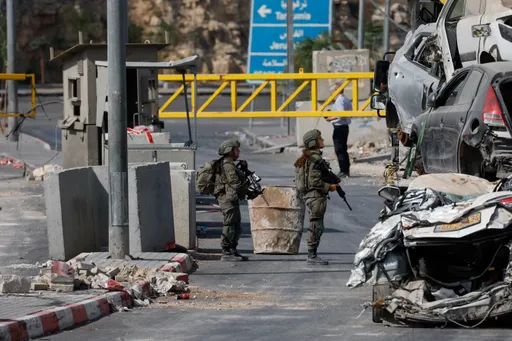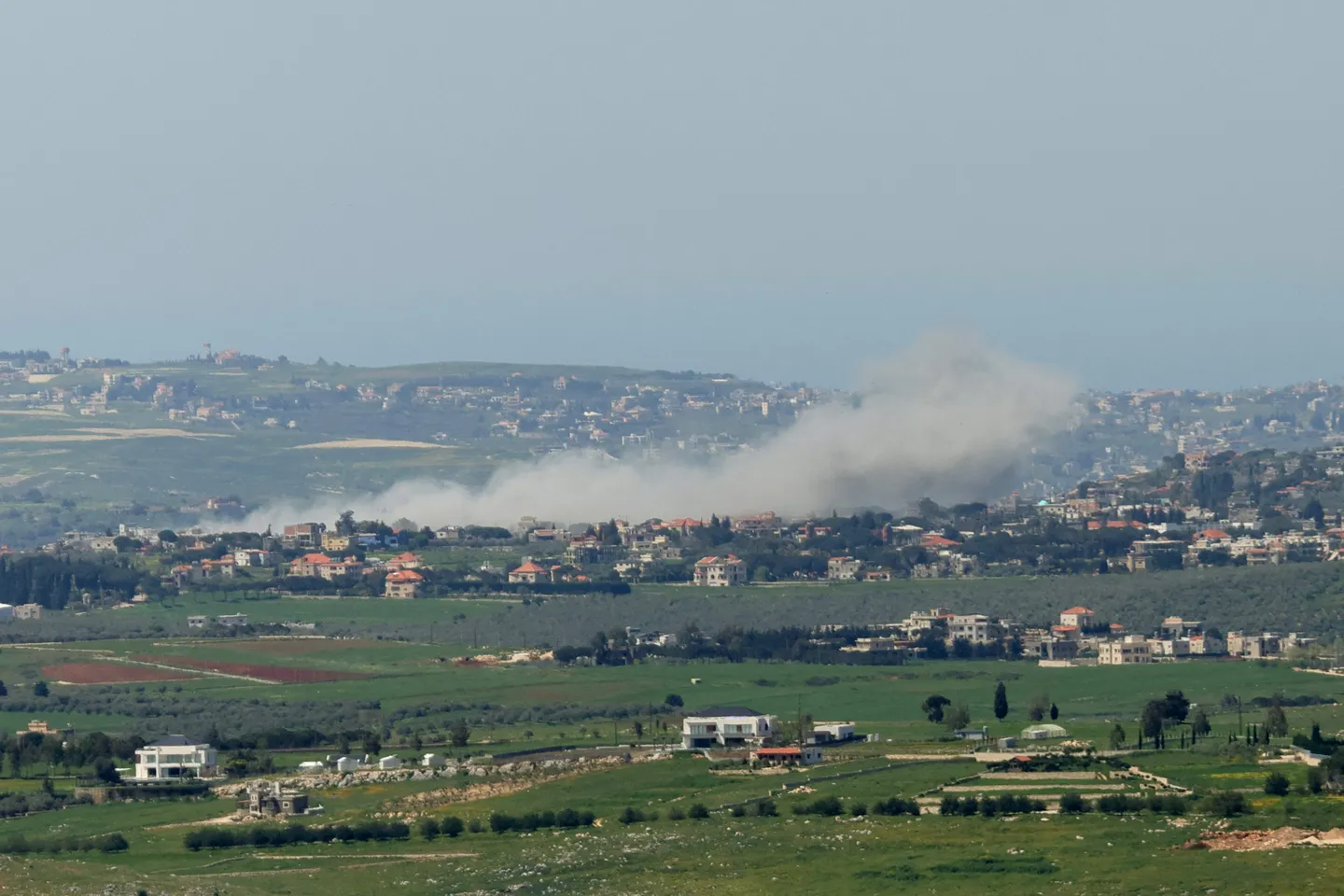
In a move seen as expanding buffer zones beyond its borders — similar to models applied in Gaza and Syria — Israel is advancing a disguised occupation under what it calls the “Yellow Line” in southern Lebanon, amid warnings of worsening humanitarian conditions.
In April, the Israeli army announced the imposition of the “Yellow Line” south of the Litani River, a notional boundary designating the area stretching to the border as a “security buffer zone,” in a step reminiscent of the Gaza model.
According to Israel, the zone is intended to prevent displaced residents from returning and to target any armed activity, classifying it as a “combat zone” not subject to ceasefire understandings. The move suggests an attempt to entrench a new reality on the ground while preemptively justifying future attacks in the area.
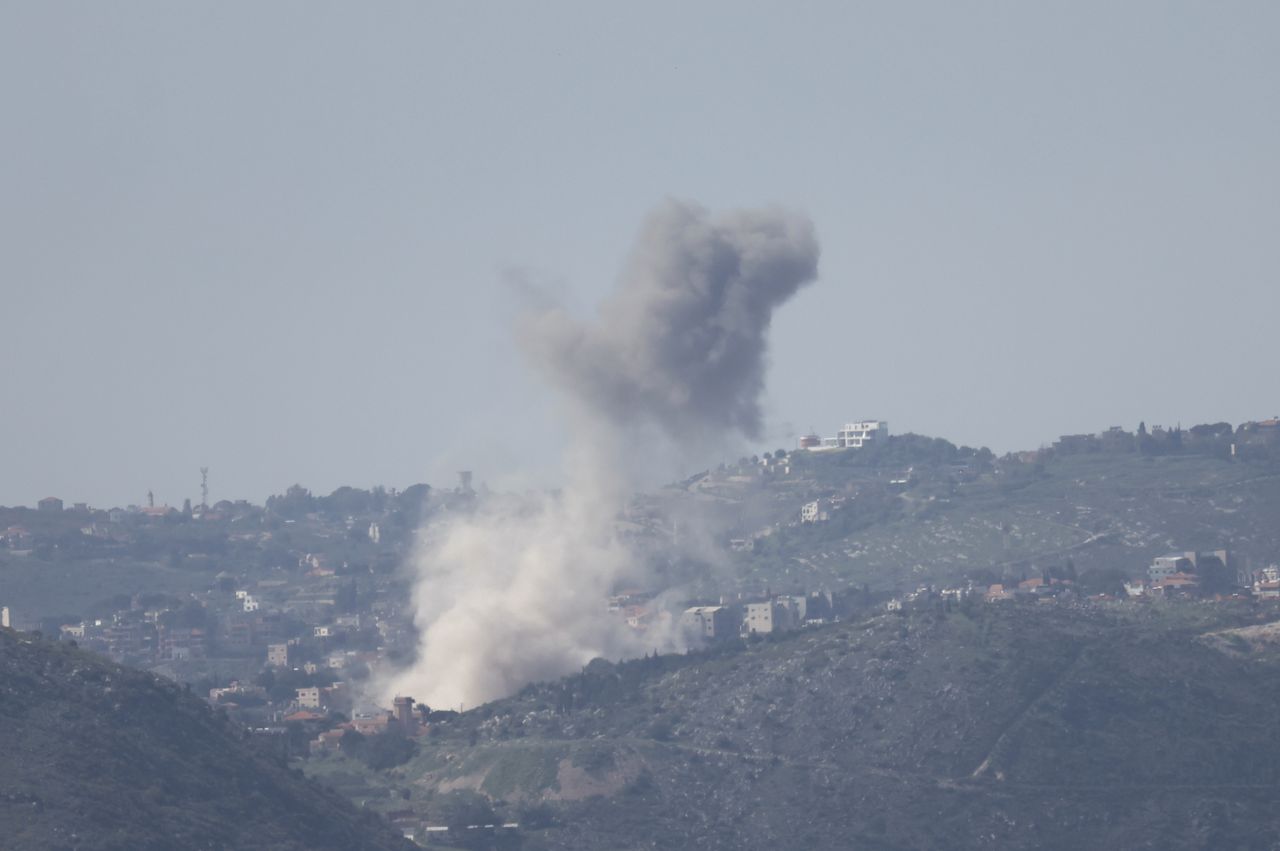
The development follows the latest war with the Lebanese group Hezbollah, during which Israeli forces focused on ground operations, advancing up to about 10 kilometres (6.2 miles) into Lebanese territory, from the outskirts of Rashaya to the towns of Naqoura and Ras al-Bayada.
Pull and ambiguity
Amid these developments, the situation appears to be moving toward a redefinition of field dynamics. The “Yellow Line” now signals prolonged military and political tension with no clear end in sight.
The Israeli “Yellow Line” faces strong Lebanese opposition as it cuts through dozens of southern towns, forcing residents to flee border areas toward the Arqoub region.
In this context, Hezbollah lawmaker Hussein Fadlallah said the “Yellow Line” and all consequences of the war would be overturned, signalling rejection of any attempt to impose this reality.
The measure also revives memories of the “border strip” Israel established between 1978 and 2000, though under different regional and geopolitical conditions.
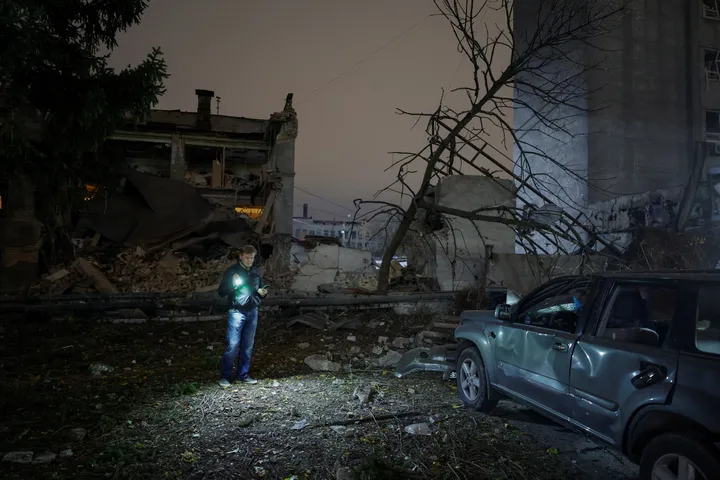
Both measures aim to create a buffer zone inside Lebanon restricting civilian and military access near Israel’s border, while displacing residents and preventing returns to villages through destruction and military control.



Expanding buffer belt
Qassem al-Qadri, the head of the Union of Municipalities of the border town of Arqoub, said towns in the region adhered during the war to a “civil, nonviolent approach,” stressing there was no armed presence.
In an interview with Anadolu, he said local authorities “are part of the Lebanese state and do not possess weapons or military positions,” adding that the area has been free of any military presence since the ceasefire.
Al-Qadri said that after the initial ceasefire and the withdrawal of Hezbollah elements, “there was no longer any military presence in the area, which should remove any pretext for targeting it.”
He added that this approach aligned with the Lebanese state’s position that the war was a regionally imposed conflict, noting that it helped spare some Arqoub towns from greater destruction compared with other areas.
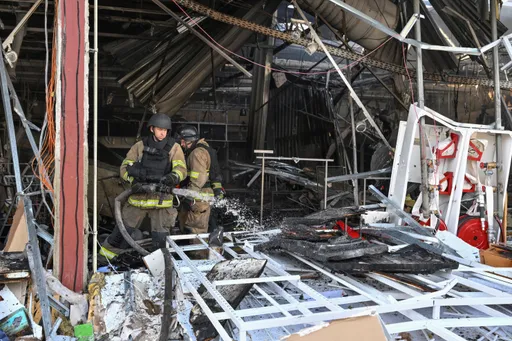
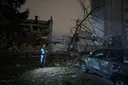
He said municipalities and residents were shocked after the truce by a new security belt from Naqoura to Khiam, as Israeli forces bulldozed homes, destroyed infrastructure and barred residents from entering.
The so-called “Yellow Line” stretches from Mari through Bastara and Rabaat al-Teben to the heights of Shebaa, cutting vital routes and isolating areas such as Shebaa from surrounding regions.