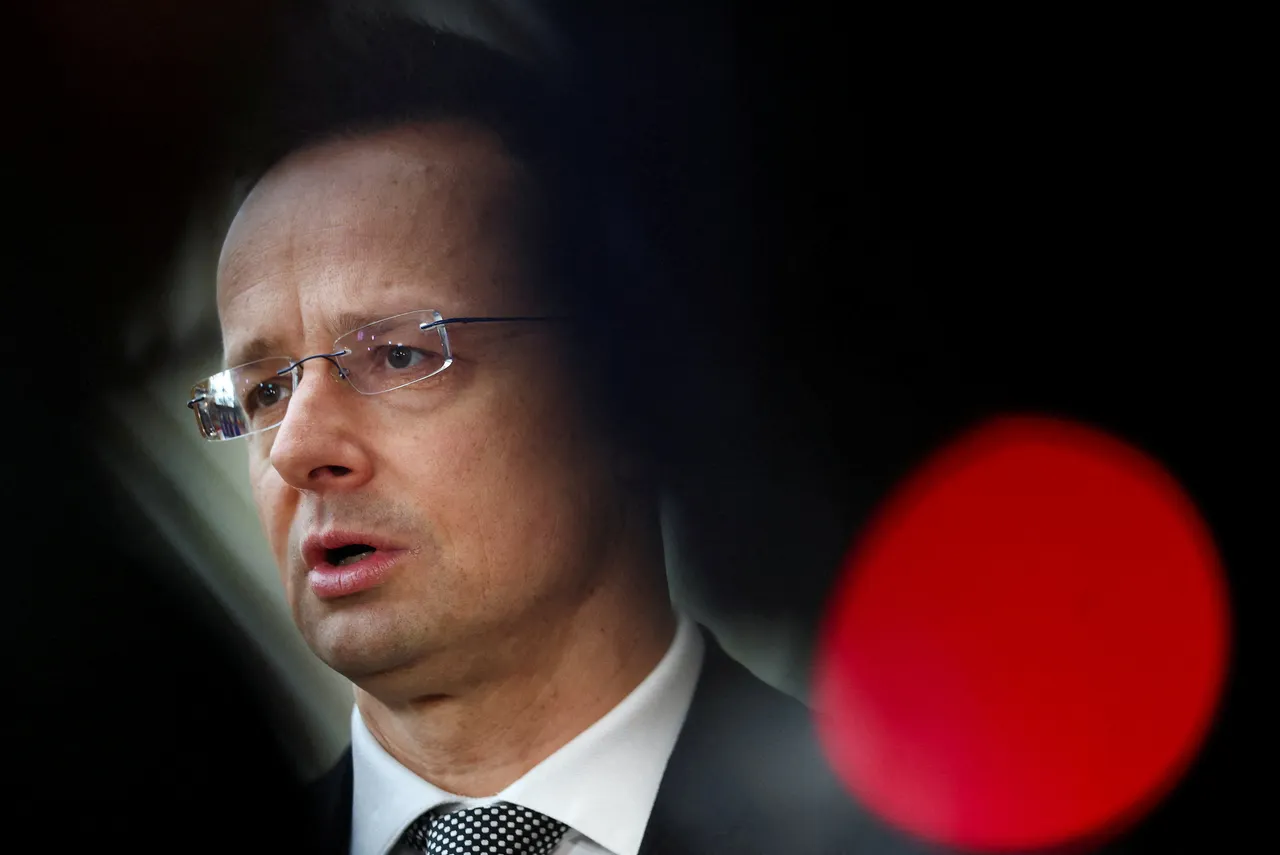
Germany and Belgium have sharply criticised Hungary for blocking a new EU sanctions package against Russia and a $106 billion (€90 billion) loan for Ukraine.
At a joint news conference with his Belgian counterpart in Berlin on Wednesday, German Foreign Minister Johann Wadephul said Hungary was contradicting itself.
"Last December, Hungarian Prime Minister Viktor Orban agreed to precisely the course of action that his foreign minister is now blocking. Hungary cannot explain this inconsistency," he said.
"I remain appalled by Hungary's behaviour. It betrays its own struggle for freedom," he said, referring to Hungary's pivotal role in 1989, when it became the first country to cut through the Iron Curtain.
Belgian Foreign Minister Maxime Prevot, meanwhile, warned that "Hungary must understand" that for other EU countries "the patience is wearing thin very quickly".
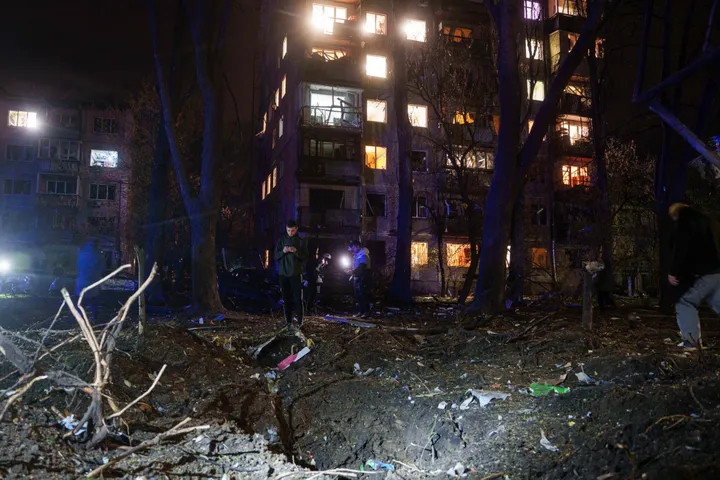



“We are all aware that elections are a difficult time; we experience this ourselves time and again,” Prevot said, nodding to Hungary's upcoming parliamentary elections in April.
“But to take the fate and needs of Ukraine and its people hostage in a war situation seems to me to be a red line,” he continued. “I call on Hungary for a reconsideration of this position, in order to remain true to this commitment, this obligation.”
The criticism follows a letter Orban sent to EU leaders on Monday, in which he faulted Ukraine for failing to restart oil transfers through the Druzhba pipeline — a key conduit supplying Hungary with Russian crude.
Orban noted that Budapest had previously backed EU decisions favourable to Ukraine but deemed the current impasse unsustainable, arguing that Kiev was creating an energy emergency situation.