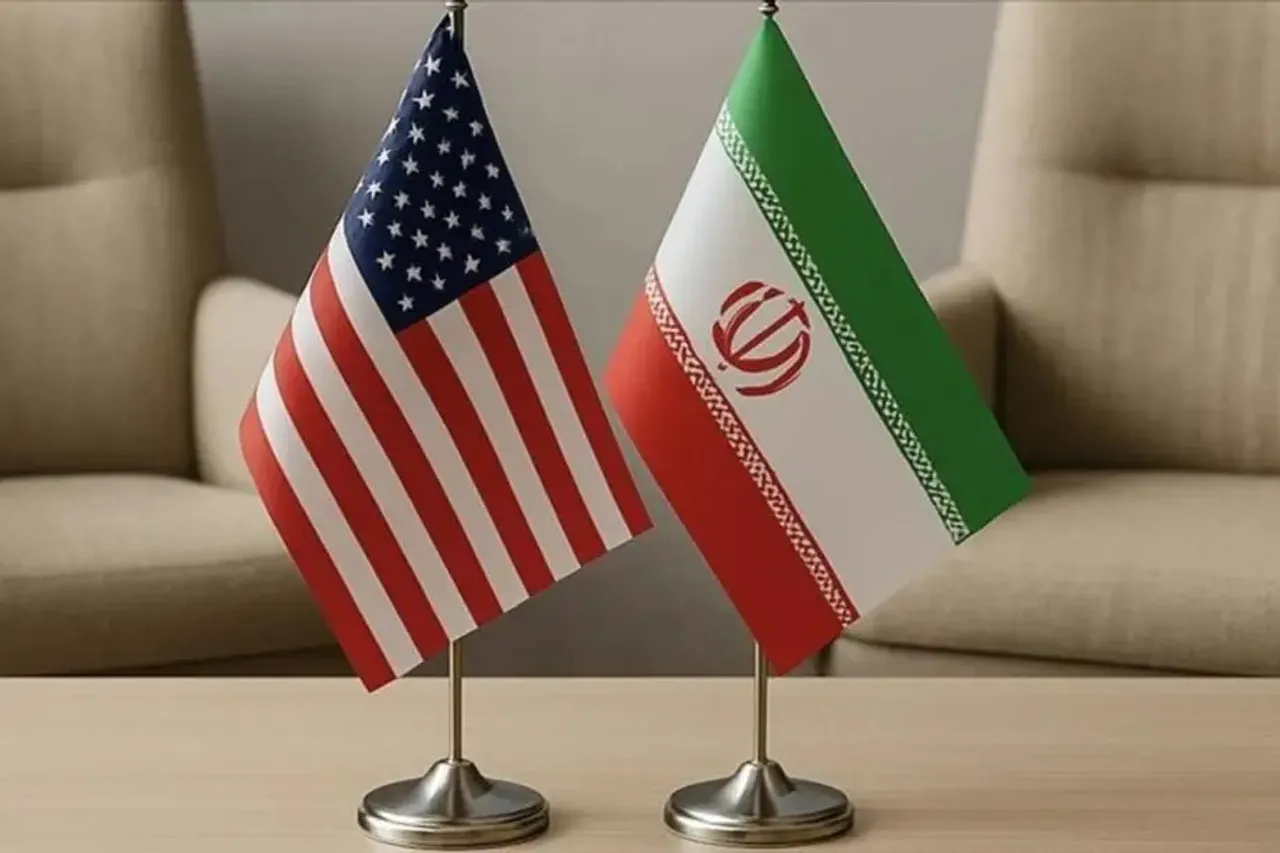
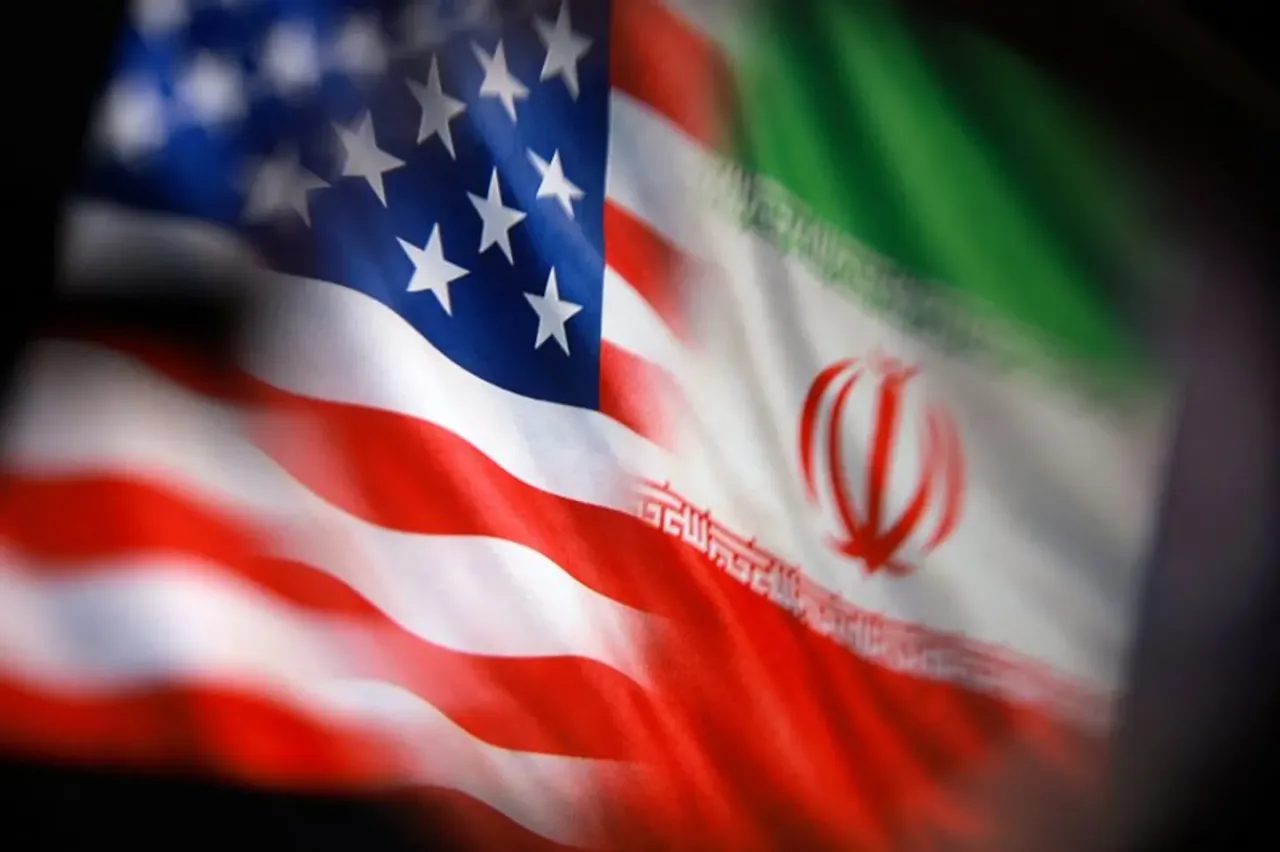
US and Iranian negotiators have finalised plans to sit down in Switzerland on Friday for high-stakes peace talks, facing an array of immediate hurdles after nearly four months of war, Reuters reported.
While the interim pact kicked the hardest issues down the road to the next phase of negotiations, with no guarantee they will ever be resolved.
Here is an explainer on the potential spoilers facing both delegations:
The nuclear deadlock
The fate of Iran's nuclear program – which Trump cited as his main reason for going to war – may carry the greatest potential to unravel the talks.
Trump has already touted Iran's commitment never to develop a nuclear weapon, but that largely restates long-standing pledges by Tehran.
Where the negotiations could falter is over what to do with Iran's stockpile of near-bomb-grade uranium.
Trump has said he wants it shipped out or destroyed. Iran wants neither, though it has indicated a possible willingness to dilute the material.
Another sticking point is Iran's future uranium enrichment and whether Tehran will accept the level of international inspection conducted under the 2015 nuclear deal.


Clashing styles and distrust
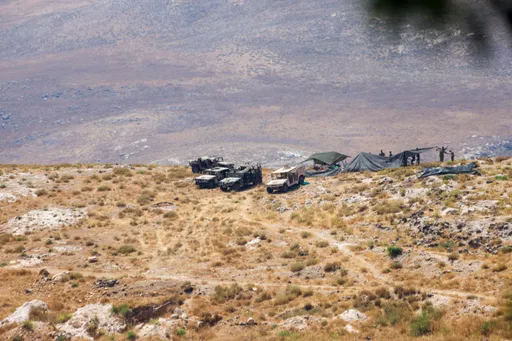
Israeli Prime Minister Benjamin Netanyahu has insisted Israel is not bound by any US-Iran agreement in its fight against Iran-aligned Hezbollah in Lebanon.
Though hostilities there have abated since Trump rebuked Netanyahu this week, further escalation could threaten the talks.
The US team – Vice President JD Vance, envoy Steve Witkoff and Trump's son-in-law Jared Kushner – and their Iranian counterparts may also have a hard time reconciling disparate negotiating styles.
Trump is known to demand quick results; Iran prefers drawn-out bargaining.
Iran remains deeply suspicious of Trump, who twice in the past year attacked in the middle of negotiations, and whether the Iranians are willing to compromise could hinge on their supreme leader, Mojtaba Khamenei.