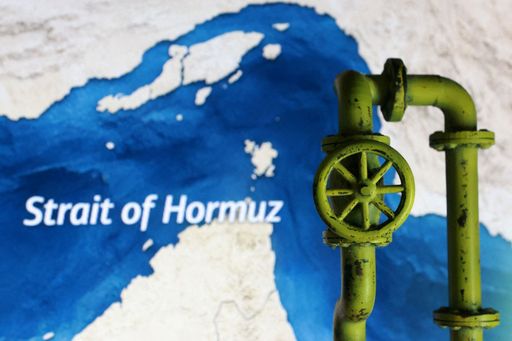
The Strait of Hormuz, one of the world’s most critical energy chokepoints, has been at the centre of the rapidly escalating geopolitical crisis that started after US-Israeli strikes on Iran on February 28.
Here’s the latest on the narrow waterway connecting the Gulf to the open ocean which Iran has effectively blocked.
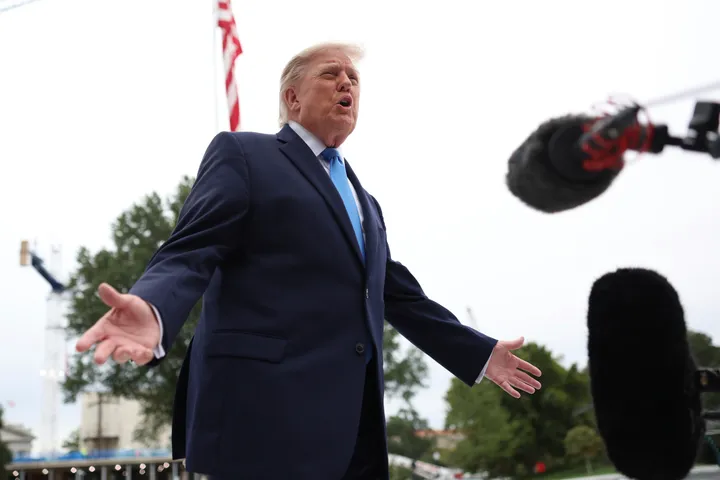
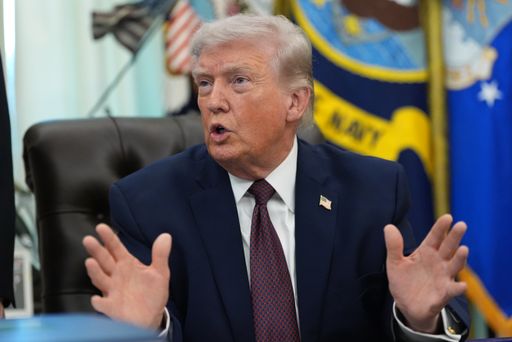
US President Donald Trump has repeatedly threatened severe damage to Iranian energy infrastructure to force open the Strait of Hormuz, but continues to delay taking action. He now suggests the US may soon wind down military action against Iran, saying American forces could leave within two to three weeks — and the Strait of Hormuz might “reopen automatically” after an exit.
Why the Strait of Hormuz matters
Roughly 20 percent of global oil and gas shipments pass through it, making it arguably the most important energy corridor on Earth.
Because so much of the world’s oil flows through this single route, disruption since the start of the Iran war has spooked markets.
The latest crisis began on February 28 when the US and Israel launched strikes on Iran.
In response, Iran moved to effectively block or control the strait, using a mix of missile and drone attacks on ships, naval mines along with threats and selective permissions for passage.
This caused shipping traffic to collapse, initially by about 70 percent, then nearly to zero.
De facto blockade with selective access
Iran is not enforcing a total shutdown but is instead allowing limited, negotiated passage for certain countries (like China or Malaysia) while restricting others.
Three Chinese ships recently sailed through the Strait of Hormuz after coordination with relevant parties, the foreign ministry said on Tuesday.
"The Strait of Hormuz and the surrounding waters are an important route for global trade and energy supplies. China calls for an immediate ceasefire, an end to the fighting and restoration of peace and stability in the Gulf Region," Chinese foreign ministry spokesperson Mao Ning told reporters regarding reports of the vessels' passage.
Mao did not offer details about the Chinese ships.
Ship-tracking data showed two Chinese container ships sailed through the Strait of Hormuz on Monday on their second attempt to leave the Gulf after turning back on Friday.
The vessels sailed in close formation out of the strait and into open waters, data on the MarineTraffic platform showed.
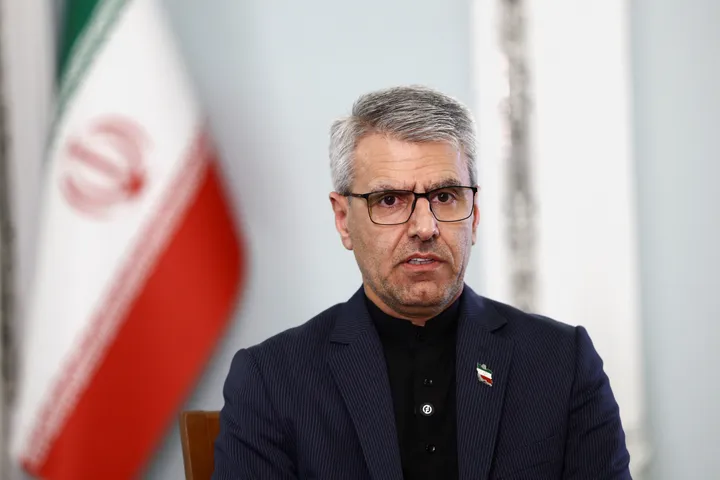
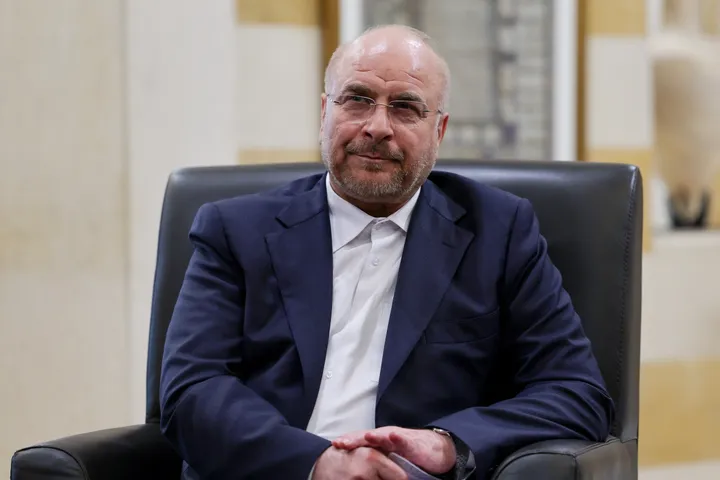
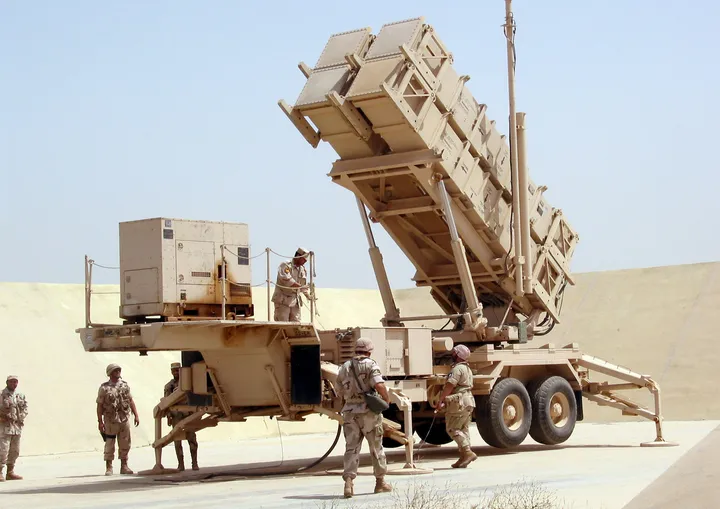



Iran has launched attacks on Gulf shipping and threatened more, stranding hundreds of vessels and 20,000 seafarers inside the Gulf.
Energy exports including crude oil from Saudi Arabia and liquefied natural gas from Qatar have been effectively halted.
While there have been some discussions with Iran and countries such as India and Pakistan on getting their fleets through the strait, oil and tanker markets have been looking for any signs that shipping traffic has picked up pace.
New tolls and political leverage
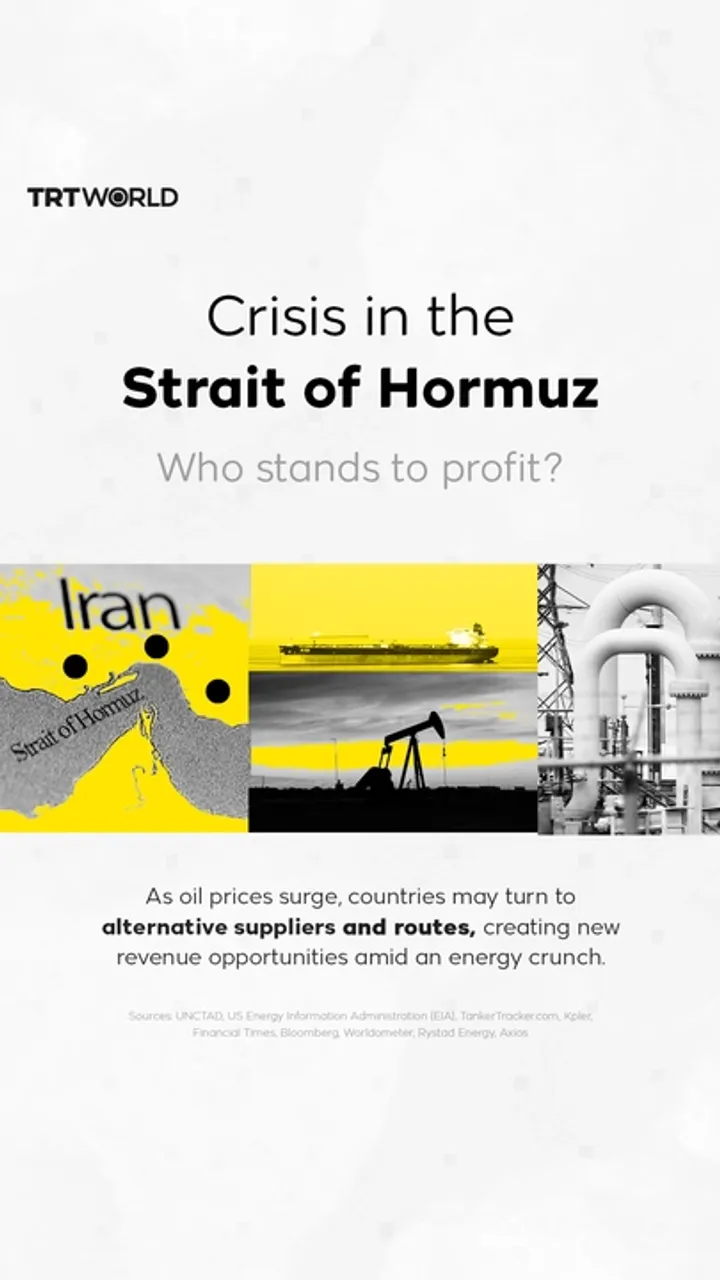
Iran has approved a plan to charge ships tolls to pass through the strait — and it is already chargning some of them up to $2 million. The plan would also include potentially blocking vessels from rival countries.
The plan is highly controversial because international law generally prohibits charging for transit through such straits.
Military escalation and uncertainty
Meanwhile, the United Arab Emirates is preparing to support a US-led effort to reopen the Strait of Hormuz by force.
According to a report by The Wall Street Journal on Tuesday, citing Arab officials, the UAE is lobbying for a UN Security Council resolution that would authorise military action. It is also urging the United States and allied powers in Europe and Asia to form a coalition to secure the strategic waterway.
Abu Dhabi is reviewing potential military roles, including mine-clearing operations, as it considers becoming a direct participant in the conflict for the first time, the report said.
In a statement cited by the Journal, the UAE Foreign Ministry said there is “broad global consensus that freedom of navigation in the Strait of Hormuz must be preserved,” pointing to international concern over disruptions in the route.
Oil markets in shock
The economic impact has been immediate and severe.
Oil prices have surged dramatically, up 60 percent since the conflict began. Supply disruptions could remove 13–14 million barrels per day if prolonged, and Organization of the Petroleum Exporting Countries (OPEC) output has plunged due to export disruptions.
Some forecasts warn oil could spike to $190 per barrel if the strait stays closed.