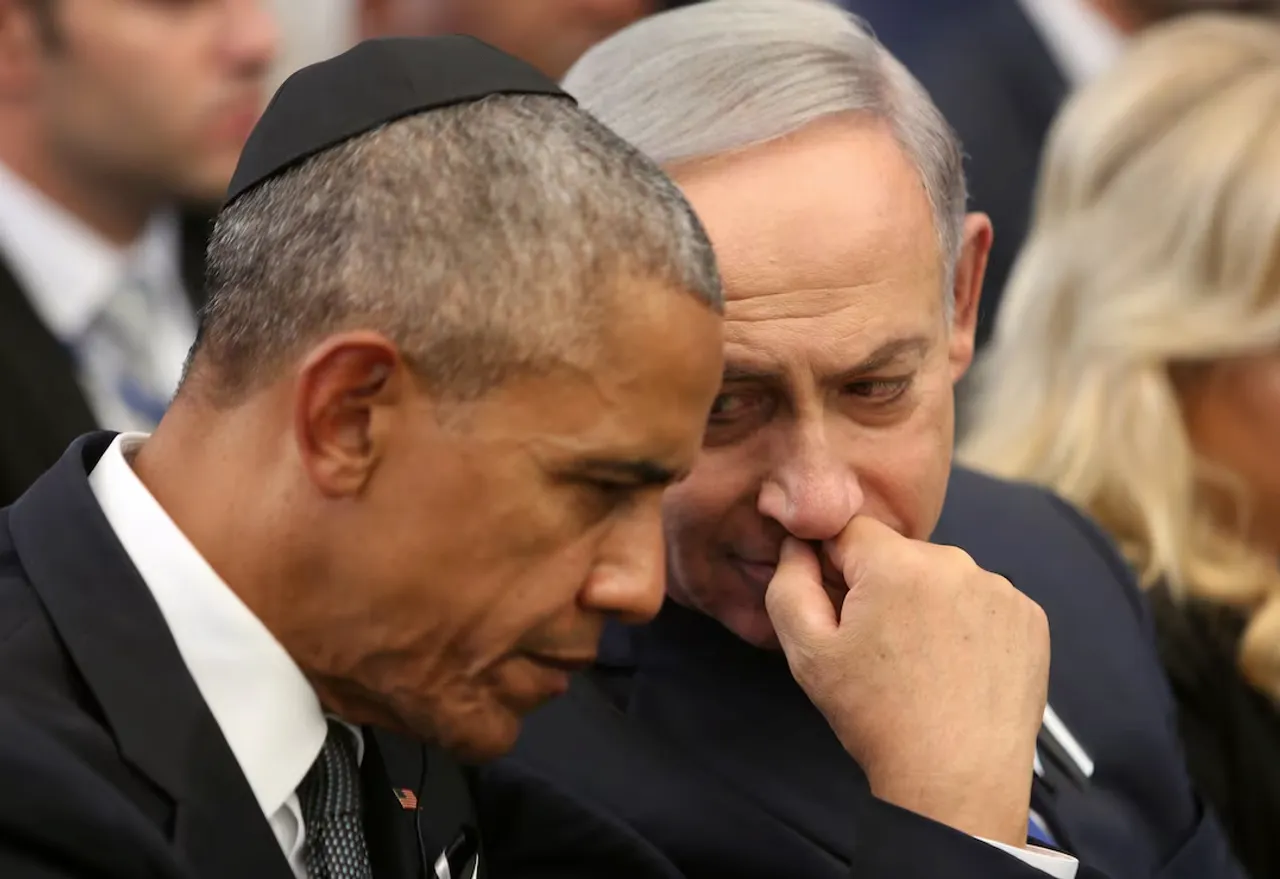
Washington DC — Former US president Barack Obama has claimed that Israeli Prime Minister Benjamin Netanyahu presented the same arguments for armed confrontation with Iran during his administration as those later repeated to President Donald Trump, which ultimately led to US-Israeli war on Iran that began on February 28.
In a New Yorker profile published on Monday, titled "Barack Obama Considers His Role in the Age of Trump," the former US leader told journalist Peter Slevin that Netanyahu had made the same arguments for war on Iran to him that he did to Trump and ultimately got what he wanted.
Obama said he stood by his decision to pursue the 2015 Iran nuclear deal instead of launching a war on Tehran, saying his "prognosis was accurate."
The former US leader questioned whether the outcome of the US-Israeli war with Iran would benefit Israel or the US.
"I think my prognosis was accurate. It may be that Netanyahu has gotten what he wanted. Whether that’s what is ultimately best for the Israeli people, I would question that. Whether I think it’s what is good for the United States and America, I would question that. I think there’s an ample record of my differences with Mr. Netanyahu."
Obama also noted his outreach to Trump during the 2016–17 transition, where he urged preserving key achievements like the Iran nuclear deal, formally known as the Joint Comprehensive Plan of Action (JCPOA) — an international agreement designed to limit Iran's nuclear programme in exchange for lifting economic sanctions.
Signed by Iran and the P5+1 (US, UK, France, China, Russia, plus Germany), JCPOA aimed to extend Iran's "breakout" time to create nuclear weapons.
In 2018, the US, under President Trump, withdrew from the deal, citing concerns that it was not strict enough and reinstated sanctions.
Shaky truce and sabre rattling
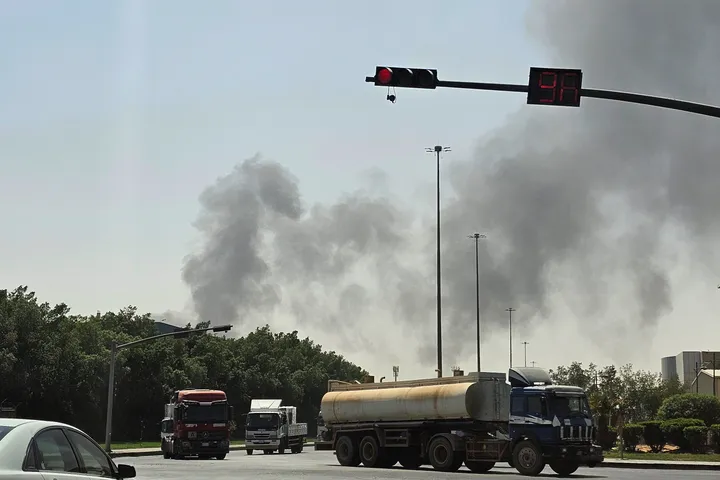
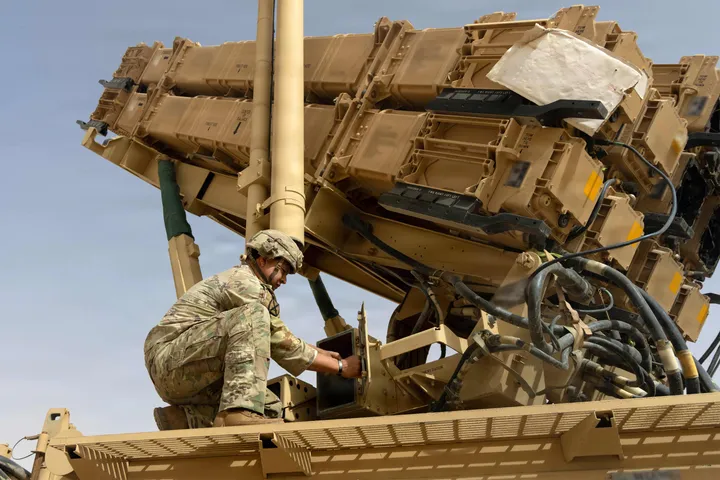

Obama’s comments come amid a fragile truce in the war involving the US, Israel, and Iran that began earlier this year when the allies bombed Iranian civilian, military, nuclear, and government sites.
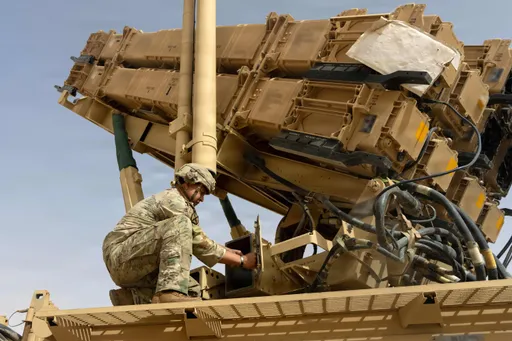
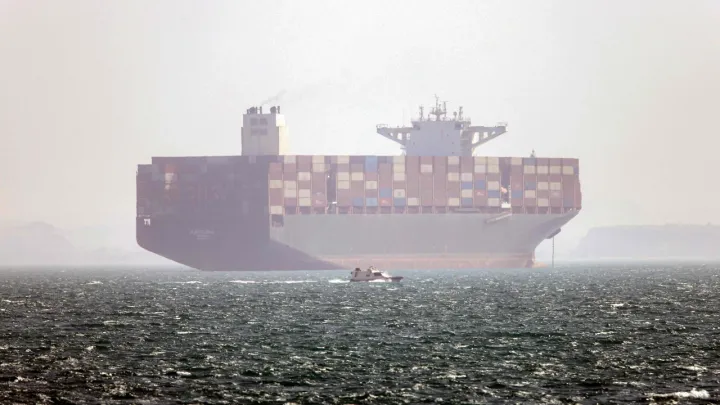
Iran retaliated with missiles and drones against US troops and bases in the Gulf region, effectively closing the Strait of Hormuz, while Israel expanded the war into Lebanon.
The US has maintained a naval blockade in the Strait of Hormuz, which it states targets Iranian ports.
US President Trump has indefinitely extended the initial two-week ceasefire, brokered by Pakistan on April 8, which brought a halt to the fighting.
However, the conflict and its widespread economic fallout remain unresolved.
Diplomatic efforts to end the hostilities remain stalled as both sides maintain their demands, despite mounting pressure to reach a compromise.
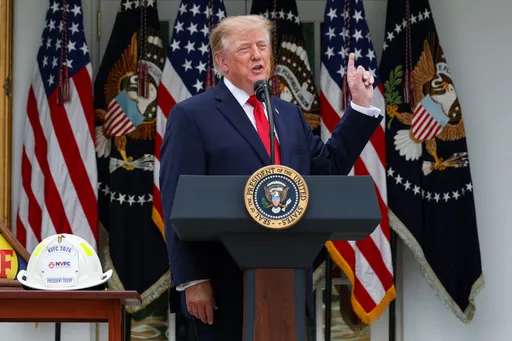
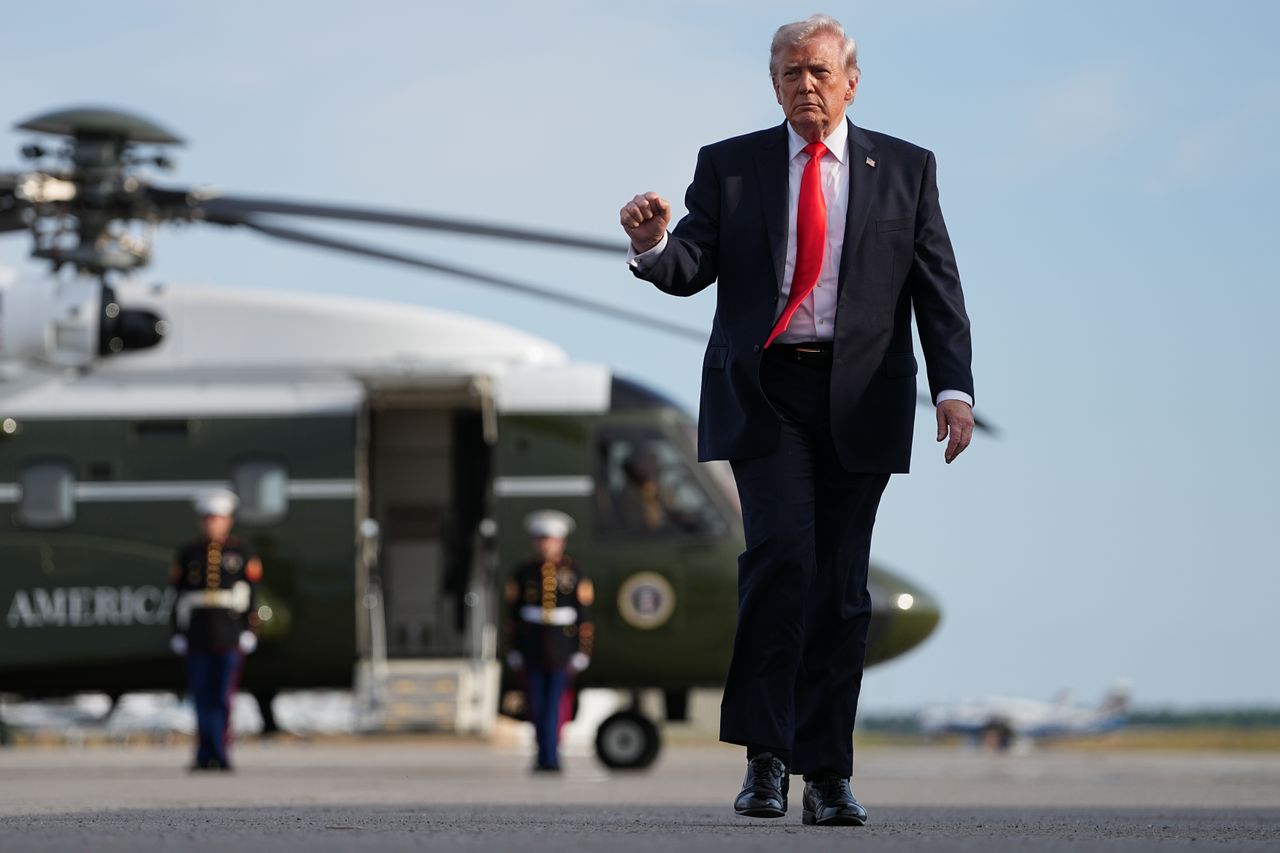
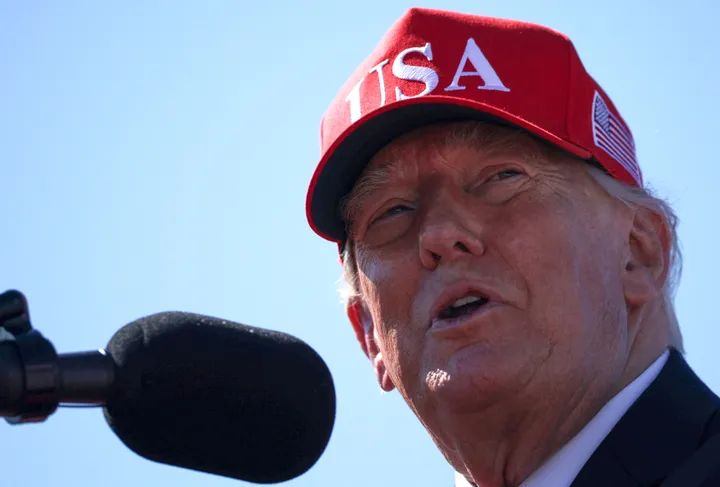
On Monday, Trump warned that Iran would be "blown off the face of the Earth" if it tries to target US vessels in Strait of Hormuz or Gulf. He also said that US forces had "shot down" seven small Iranian military boats.
A US admiral earlier said six such vessels were destroyed, but Tehran denied any had been sunk.
Iran also issued its own warning, saying, "US officials must end the ugly behaviour of using force in the diplomatic process and stop military adventurism in this sensitive oil region that affects the economies of all countries in the world."