 Kazim Alam
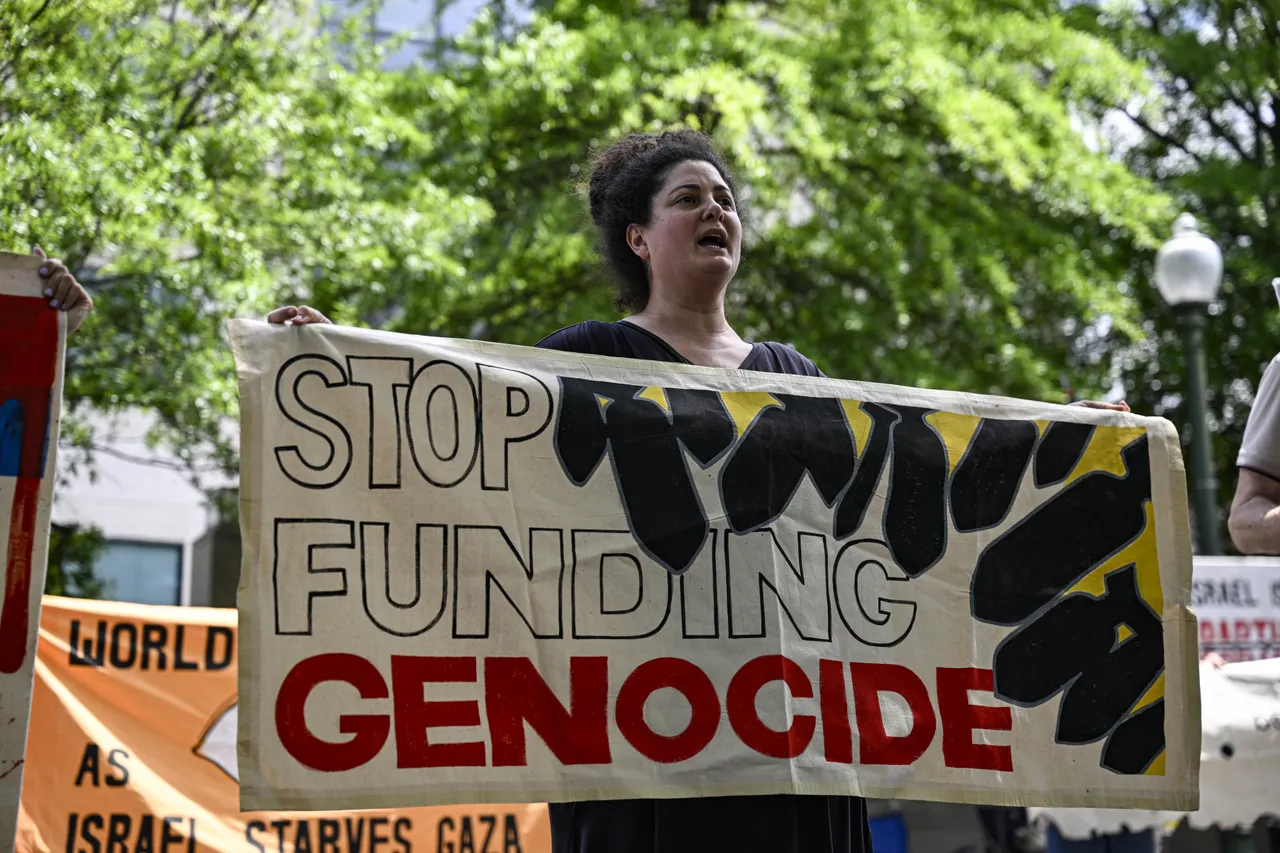
In a precedent-setting case for local government investments, residents of Palm Beach County in the southern US state of Florida have filed a lawsuit challenging their county’s decision to invest $1 billion from taxpayer funds into Israel Bonds.
Individuals and institutions lend money to the Israeli government through Israel Bonds, a corporation that raises long-term funds mainly from US investors.
In return, they receive profits of four to six percent of the original amount every year until the bond matures and the original sum is returned to investors.
Israel Bonds has been on a borrowing spree to help Tel Aviv fund its $205 billion wars in Gaza, Lebanon, Syria, and Iran since October 2023.
The lawsuit is scheduled for a motion-to-dismiss hearing on Wednesday (July 8), where a judge will decide whether the case will proceed to trial.
The plaintiffs argue that the purchases of Israeli bonds were driven by political support for Israel, rather than the financial standards as per Florida law.
The lawsuit holds that county investments in Israel Bonds were never about attractive returns.
Instead, these were political acts meant to demonstrate the county officials’ allegiance to Israel, while ignoring Florida law, expert warnings, and the direct human cost to families like theirs.
With a population of nearly 1.6 million people, Palm Beach County is the single-largest worldwide buyer of debt issued by Israel Bonds. At least 35 US states and many small municipalities have also ploughed in billions of dollars into Israel Bonds.
The upcoming motion-to-dismiss hearing will have a far-reaching impact on Israel Bonds’ ability to raise funds from state, county, and municipal governments in the US.
US investors have been parking their funds in Israel Bonds since the beginning of Tel Aviv’s genocidal war on Gaza, which has killed at least 71,000 Palestinians since October 2023 by Israel’s own admission.
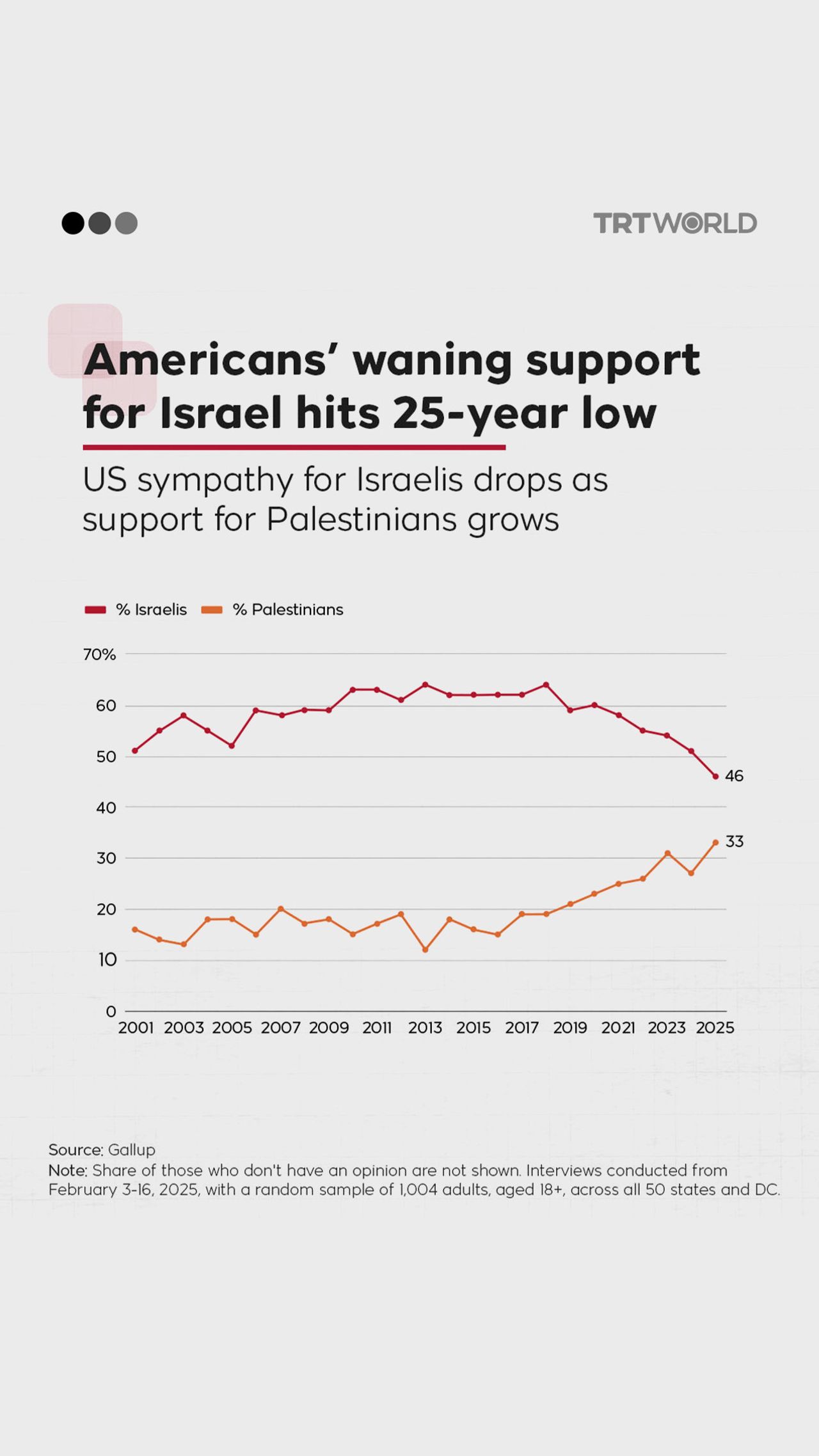
Even though the US government has supported Israel’s wars in the Middle East with massive military aid and extended diplomatic backing at the UN, a majority of US citizens under the age of 50 now view Tel Aviv negatively.
Six in every 10 US citizens now hold an “unfavourable view” of Israel, up nearly 20 percentage points since 2022, according to a new Pew Research Center survey.

Investment or ‘advocacy’?
Israeli Prime Minister Benjamin Netanyahu vowed to turn Gaza into rubble immediately after the October 7, 2023, blitz by Palestinian resistance group Hamas.
He ordered Gaza residents to “leave now”, but imposed a blockade on the besieged territory the same day.
Within the next few hours, Israel started dropping bombs on Gaza in a genocidal zeal that killed and injured tens of thousands of Palestinians.
On October 10, 2023, the Palm Beach County comptroller stood before cameras and announced the investment of $25 million of taxpayer funds in Israel Bonds, declaring the county had become the first in the US to do so.
“There could be no greater advocacy that we can do in our office right now than support the state of Israel,” he said.
For the unidentified plaintiffs – named in the lawsuit merely as John Doe 1, Jane Doe, and John Doe 2 – the announcement came as they frantically messaged family in Gaza on WhatsApp.
On October 25, 2023, two Israeli air strikes destroyed the apartment building in Gaza City where John Doe 1 and Jane Doe’s relatives lived.
That day, the plaintiffs lost 37 family members, 15 of them under the age of 12, including a four-month-old infant.
A few days later, the county made the “single largest one-time investment” in Israel Bonds.
“We are investing an extra $135 million in Israel Bonds, which will earn us millions of dollars in interest. Yet, we will also stand with our strongest ally, the state of Israel,” the county official had said.
How Israel Bonds investments violated state law
The complaint filed in the Palm Beach County Circuit Court lists how Israel Bonds investments violated multiple state laws.
For example, Florida Statute 218.415 bars investment decisions based on social, political, or ideological interests.
Yet, county officials repeatedly justified the bond purchases with overt political language about standing with Israel.
Similarly, Florida Statute 518.11 requires that investment decisions must be based on financial reasoning and in the interest of constituents.
On October 11, 2023, the county’s Investment Policy Committee heard an expert economist advise against buying Israel Bonds.
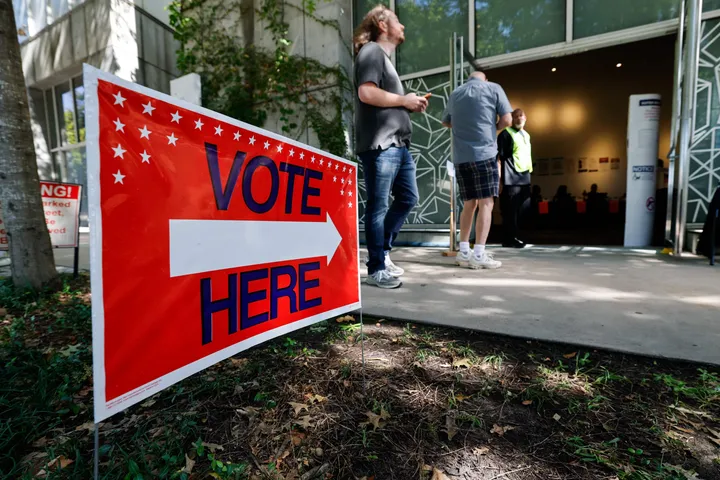





But county officials ignored the expert’s advice and poured another $675 million into Israel Bonds over the next five months.
Article VII of the Florida constitution prohibits using the taxing power to aid any entity without a paramount public purpose.
The lawsuit provides audio evidence of how the county’s Investment Policy Committee was willing to accept a financial loss if it meant supporting Israel’s military.
Also, Palm Beach County’s own Investment Policy demands that managers of public funds prioritise safety, liquidity, and market-rate returns – not ‘advocacy’ of any foreign state.
Israel Bonds failed all investment benchmarks.
One, these investments increased credit risk for county residents amid the war.
Two, Israel Bonds are not tradeable like most other bonds and must be held to maturity. This makes the investment illiquid, meaning the county can’t convert it to cash if it needs funds urgently.
Three, these investments offered lower returns than safer alternatives. Investing in Israeli Bonds costs Palm Beach County taxpayers more than $1 million, the lawsuit asserts.
Yet county officials kept investing in Israel Bonds, becoming its largest investor with $700 million by April 2024.
As of January 2026, the county’s investments stood at $1 billion.
‘A disregard for human life’
Residents of Palm Beach County campaigning against Israel Bonds investments encountered what Mari – a grassroots activist who asked TRT World not to use her full name for safety reasons – describes as a “disregard for human life”.
County officials offered “unwavering support for the state of Israel” and never addressed how the investments contribute to the “slaughter of a civilisation”, she says.
Mari and fellow canvassers walked neighbourhoods in underfunded areas, where most residents had never heard of the investments, she says.
When told, the majority opposed investments in Israel Bonds, saying they would rather have their tax dollars invested in ethical, higher-return instruments that could eventually support local services.
Mari joined the campaign against Israel Bonds in November 2024 after reading about record-high investment figures.
“I don’t really have a lot of trust or expectations in our public servants,” she says.
She sees a direct link between the billions sent abroad and local problems: gentrification, defunded public services, rising rents and prices.
“If you don’t care about the lives of Palestinians, and you also don’t care about the lives of Palm Beach County residents, who are (you) serving?”
Charles Blaha, an analyst who served as director of the US State Department's Office of Security and Human Rights from 2016 to 2023, tells TRT World that he sees the same pattern of special treatment towards Israel in Florida that he witnessed in Washington.
The Leahy Law, which bars US assistance to security forces that commit human rights violations, has been applied in “thousands of cases worldwide” but “never to Israel”.
US law also prohibits arms transfers to countries that block humanitarian aid.
“Despite severe Israeli restrictions on humanitarian aid to Gaza, that law has also never been applied to Israel,” he says.
Blaha notes that the Palm Beach case is simply about forcing officials to “follow the law, not defy it”.
This is especially important when it involves taxpayers’ money, he adds.
Last month, Palm Beach County proposed ramping up Israel Bonds investments at a budget workshop to offset potential revenue losses from property-tax cuts.
This came even as Blaise Ignolia, the chief financial officer of the state of Florida, said Palm Beach County wasted taxpayer money to the tune of $443 million in the last fiscal year alone.
If the July 8 court hearing results in dismissal, Mari says it will only fuel more organising and public campaigning.
“It doesn’t mean we’re not going to bring another (lawsuit)... because this investment is unjust,” she says.