 Murat Sofuoglu
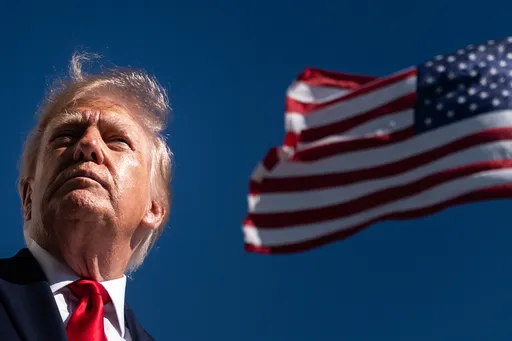
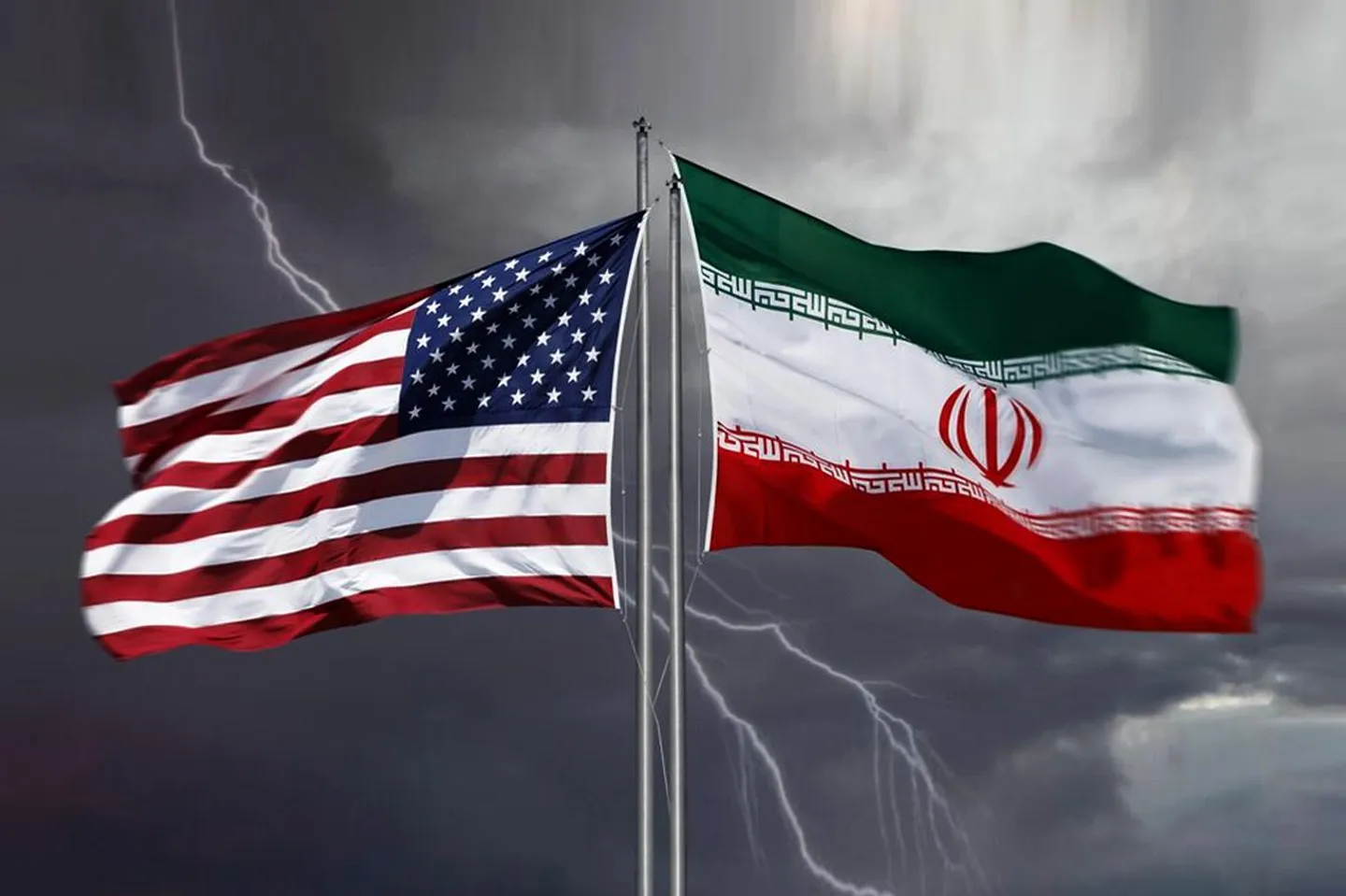
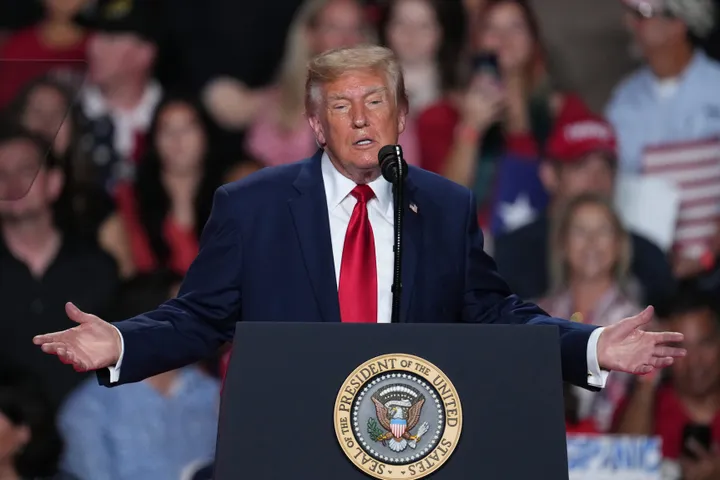
During NATO's 36th summit in Ankara, US President Donald Trump declared that the fragile ceasefire with Iran was "over", raising fresh questions over whether Washington and Tehran can return to the negotiation table.
Trump's remarks followed recent Iranian attacks on commercial vessels in the Strait of Hormuz, signalling that Tehran is unwilling to relinquish its leverage over one of the world's most strategically important waterways.
In response, US Central Command (CENTCOM) struck more than 90 Iranian military sites and civilian infrastructure targets, including a railway in northeastern Iran linking Tehran to Mashhad, where Supreme Leader Ali Khamenei and members of his family are buried.
Among the targets was the Aq Tappeh Khan Bridge near the Iran-Turkmenistan border, a key part of the International North-South Transport Corridor (INSTC), which links Iran with Central Asia, Russia and China.
The strike underscored how tensions are increasingly extending beyond military targets to strategic trade and transport routes.
But experts warn that escalating tensions from the Strait of Hormuz to the INSTC could have far-reaching consequences for global trade and energy markets.
Despite the renewed tensions, negotiations remain a better option than a wider war with Iran for the stability of US energy markets and the global economy, says Dania Koleilat Khatib, an expert on US-Gulf relations.
She describes Iran as "a fortress" because of its mountainous geography, which has historically made foreign invasions extremely difficult.
"They will go back to talks. This is part of Trump's negotiating style. You raise the bar, then you negotiate. The US has no other option than to negotiate," says Khatib, co-founder of the Research Center for Cooperation and Peace Building, a Lebanon-based think-tank.
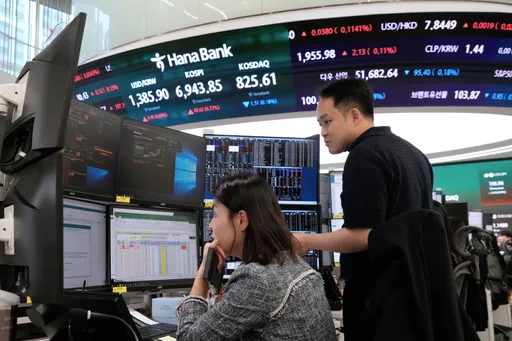
A renewed conflict would likely have a greater impact on US fuel prices than on Iran's economy, which has already endured decades of sanctions and tighter restrictions on its oil exports through the Strait of Hormuz following this year's joint US-Israeli attacks.
With the US midterm elections approaching, rising energy prices could also become a domestic political issue.
“The anger of Trump is not being translated to additional meaningful damage to Iran mostly because of internal political constraints of Trump,” Alon Liel, the former director general of the Israeli foreign ministry, tells TRT World, referring to US midterms in November.
However, he says Trump's unpredictability means renewed tensions cannot be ruled out.
Although Trump declared the ceasefire "over", he did not suggest that negotiations had ended altogether, indicating that backchannel contacts between Washington and Tehran may still be continuing.
Regional powers are also intensifying efforts to keep diplomacy alive.
Negotiators from Qatar, Saudi Arabia, Egypt and Pakistan have held multiple phone calls with US and Iranian counterparts in an effort to first secure de-escalation and then agree on a date for another round of technical nuclear negotiations.
Experts also point to the vague language of the June 17 memorandum of understanding, which has allowed Washington and Tehran to interpret key provisions differently.
According to the latest International Crisis Group report, differing interpretations of the agreement's Strait of Hormuz clause have become a recurring source of tension.
Why energy markets and oil reserves matter
While the US is the world's largest oil producer, as Trump has repeatedly pointed out, its production is heavily dependent on the shale boom, which mainly produces light, sweet crude.
However, many American refineries were designed to process heavier, cheaper crude, meaning the US still relies on foreign imports.
That is why developments in both Venezuela, home to the world's largest proven oil reserves, and the Middle East remain strategically important to Washington. The US imports heavy crude from a range of countries, including Canada, Mexico, Saudi Arabia and Iraq.
Another key factor is the rapid depletion of US oil reserves amid tensions in the Strait of Hormuz, says Rasim Ozcan, a professor of economics at Istanbul University.
“When Hormuz is shut, and oil supply is restricted, it leads to international prices rising. When access to oil markets is restricted and prices rise, the US government tries to stabilise prices by drawing on its reserves, aiming to reduce volatility in the short term,” Ozcan tells TRT World.
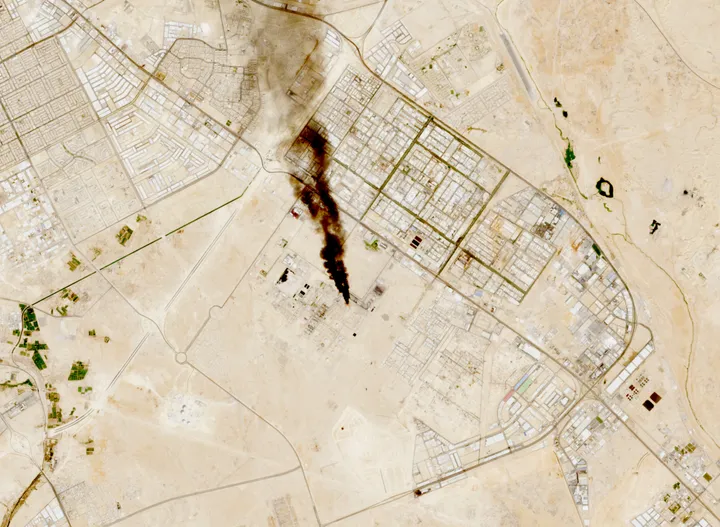
According to estimates, since the outbreak of the Iran war, the US Strategic Petroleum Reserve—the country's emergency oil stockpile—has been significantly drawn down to offset supply disruptions linked to tensions in the Strait of Hormuz.
It is now 23 percent below its pre-war level, marking one of its steepest declines since it was established under the Reagan administration in 1983.
As a result, a return to war that could trigger a prolonged conflict across the oil-rich Gulf would pose significant risks for Washington, not only due to volatile energy prices but also to the growing strain on its strategic oil reserves.

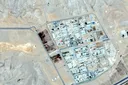
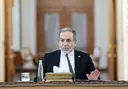
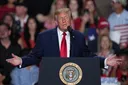
Despite criticism of the US-Iran memorandum of understanding from some circles in the US and Israel, who argue it makes too many concessions to Tehran, Trump reportedly rejected that view, saying he did not want to be compared with Great Depression-era President Herbert Hoover.
War option ‘too dangerous’
Beyond the impact on global oil markets, experts say a return to war would be a risky option for the US because securing the Strait of Hormuz and confronting Iranian forces along the Gulf could come at a high military cost.
“The option of destroying Al Kharg will probably cost them more than taking the island of Iwo Jima from the Japanese,” she says, referring to the strategic Iranian island that handles most of the country's oil exports through the Gulf, and the fierce World War II battle between American and Imperial Japanese forces in the Pacific, which claimed nearly 7,000 US military lives.
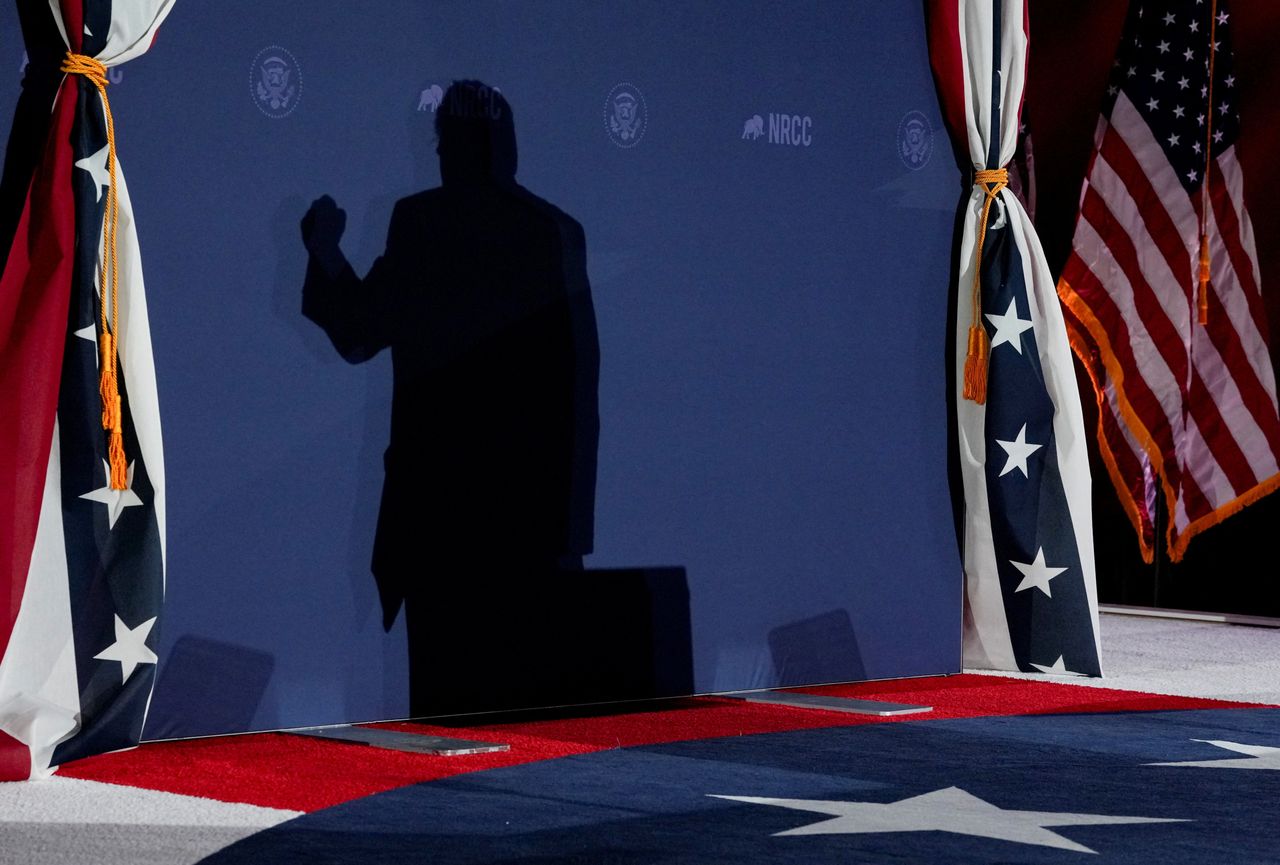
Other experts also urge caution, citing growing Iranian resistance and the vulnerability of global energy markets amid tensions in the Strait of Hormuz, whose closure to commercial shipping has caused the largest disruption to global oil supplies in history.
Joost Hiltermann, a special adviser on the Middle East and North Africa at the International Crisis Group, is among those who view Trump's statement as a bargaining tactic.
“He's frustrated that Iran doesn't bend to his will. He's trying to improve his bargaining position,” Hiltermann tells TRT World. But he adds, “It doesn't look like it's working”.
Experts also point to a growing perception in Tehran that control over the Strait of Hormuz—described by some as a "golden weapon"—has become even more important than Iran's uranium enrichment programme, making a return to negotiations more difficult for both sides.
“Iran has long viewed its ability to threaten disruption in the Strait of Hormuz as a principal strategic deterrent, arguably more valuable than its nuclear programme. This makes any fundamental policy change more challenging,” says Ricardo Martins, an academic and a geopolitical analyst.
While Tehran will “likely maintain its traditional strategy of manoeuvring and negotiating to preserve leverage”, which US Vice President JD Vance recently linked to ancient Persian negotiating tactics, Martins warns that “it may soon face difficult decisions about its nuclear programme and regional posture.”
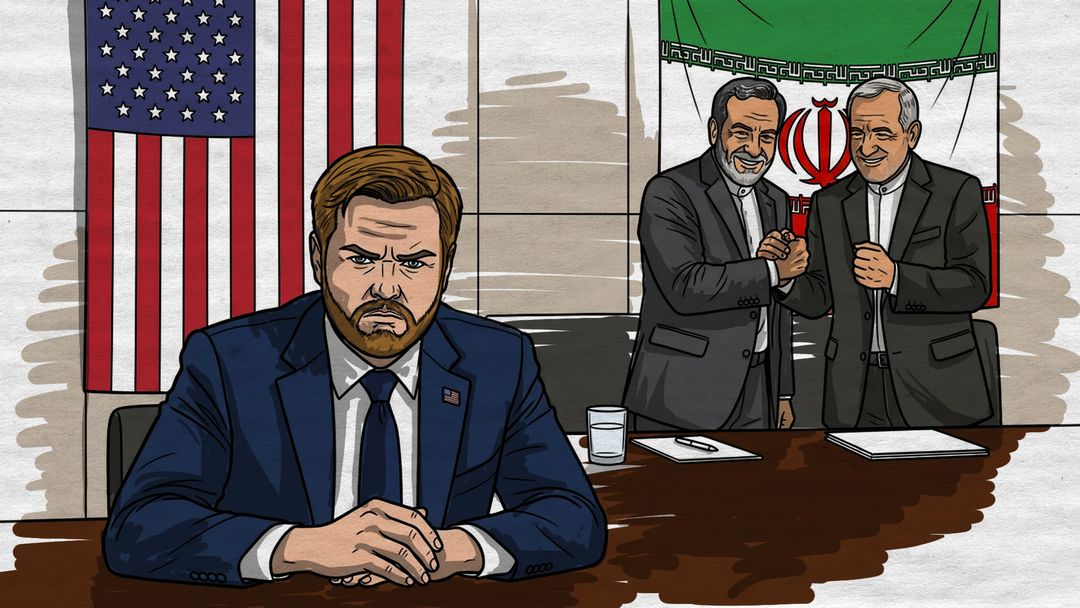
Martins believes Iran will eventually return to negotiations as mounting economic and strategic pressures make a prolonged confrontation unsustainable.
“However, an immediate or unconditional return is unlikely. Iran perceives the US as an unreliable negotiating partner and will likely seek concessions before reengaging.”
He also points to long-standing divisions between moderates and hardliners within Iran's political establishment, a dynamic that has existed since the mid-1990s.
According to Martins and other analysts, hardliners are increasingly opposed to negotiating with Washington, viewing the US as an unreliable partner.
Shifting alliances
The US-Israel war on Iran has triggered the biggest oil supply shock in history and, in the process, appears to have strengthened Iran's internal cohesion. It has also reshaped the Middle East's political landscape, prompting regional states to seek ways to contain the escalating crisis.
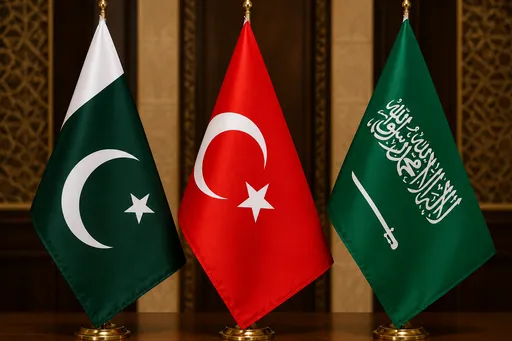
Among the emerging initiatives, a quadrilateral partnership between Türkiye, Saudi Arabia, Egypt and Pakistan could prove more significant than other regional alignments, particularly as the US considers relocating its military presence from the Gulf states to Israel rather than rebuilding its damaged bases, according to Khatib.
The group is laying the groundwork for what Khatib describes as a post-American regional order, with the aim of “integrat[ing] Iran in the region’s post-American security architecture.”
While she acknowledges that such an idea would be difficult to implement in a region marked by deep political, religious and ethnic divisions, she argues that Israel's military actions have brought regional states closer together.
“Israel is helping them to develop this idea. Israel is a common threat to all those countries. There is nothing that unites more than a threat,” she says.
Khatib believes a possible US military relocation from Arab states to Israel could further accelerate the group's efforts.
There are credible reports that the US will not seek to repair its bases across the Gulf and other Arab states.
“I doubt the Gulf will fund rebuilding them, and I also doubt the US Treasury can afford it either. Once this happens, Iran and the Gulf will need to reach a modus operandi,” Khatib tells TRT World.
“The Gulf will probably have to invest in Iran as part of any normalisation effort. In return, Iran will have to address their security concerns, namely regarding the issue of its non-state actors from Yemen to Lebanon and Iraq.”