 Zeynep Conkar
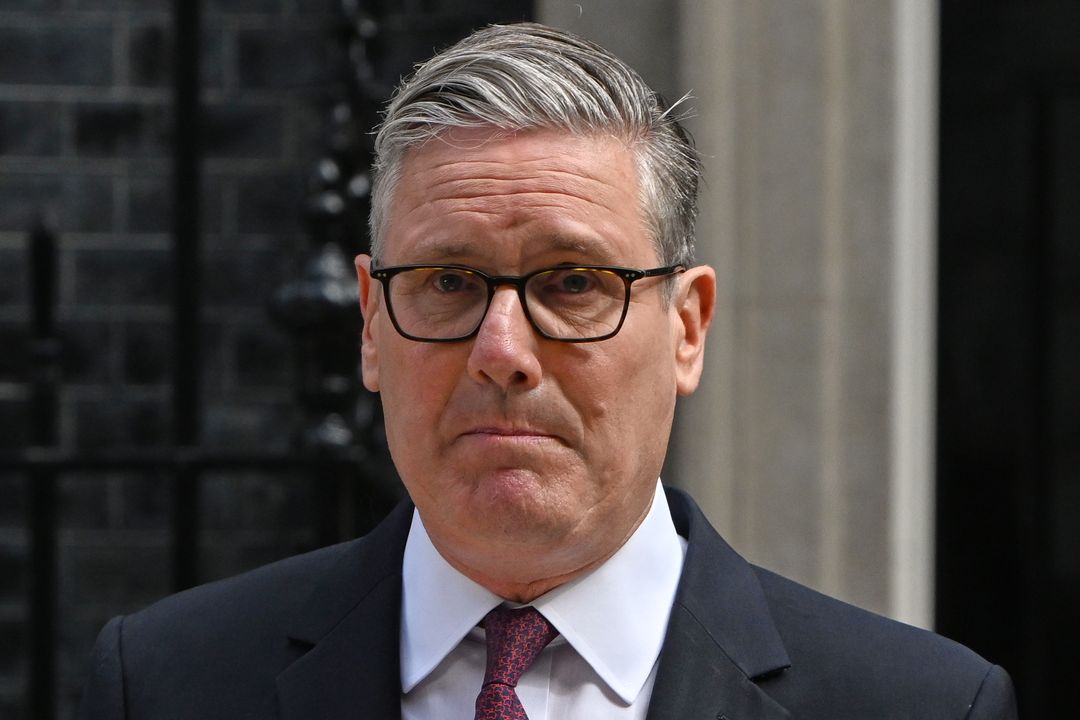
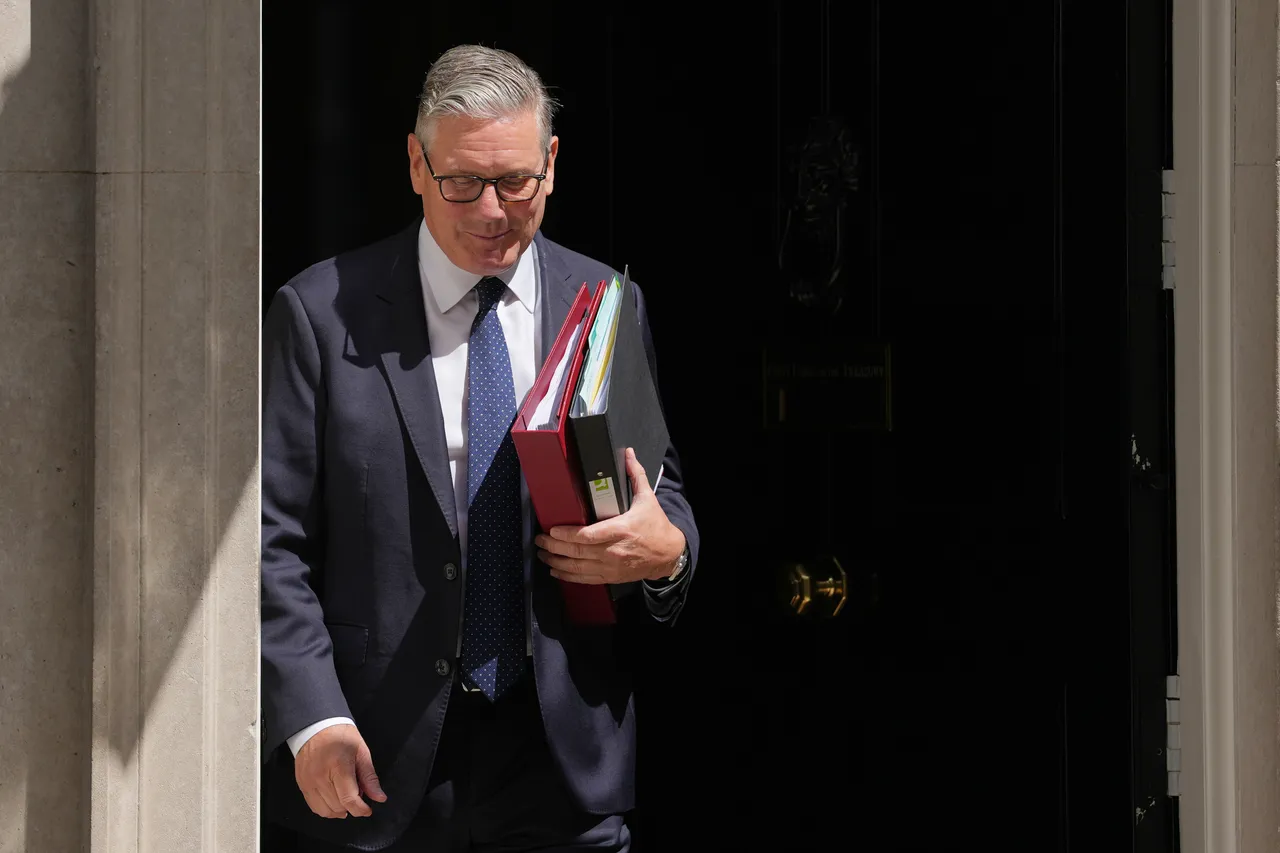
The UK Prime Minister Keir Starmer announced his resignation outside Downing Street on Monday, his voice breaking as he thanked his family before conceding that his party no longer believed he was "best placed to lead us into the next general election”.
The timing was almost too neat. As Britain marks ten years since the Brexit referendum, Starmer becomes the latest prime minister unable to hold on to power, joining a post-Brexit procession of leaders that includes David Cameron, Theresa May, Boris Johnson, Liz Truss and Rishi Sunak.
No prime minister who served before the 2016 referendum has remained in office since then.
Cameron resigned within weeks of the vote he called and lost. Every leader who followed him, regardless of party, has left office within roughly two years.
A decade later, the pattern looks like the price of Brexit itself. The vote unsettled British politics in ways the country still hasn't recovered from, and each government since has been swept away by that instability, according to political analyst and communications strategist Klaus Jurgens.
“I do not think this is primarily about individual leaders. Every leader has faced the same challenge: to deliver electoral success. Over recent weeks, leading Labour figures concluded that Keir Starmer could no longer deliver at the ballot box,” Jurgens tells TRT World.
“We saw similar dynamics with Liz Truss. Boris Johnson was somewhat different and perhaps could have stayed longer. Looking further back, David Cameron at least provided continuity between 2010 and 2016, until his catastrophic Brexit miscalculation.”
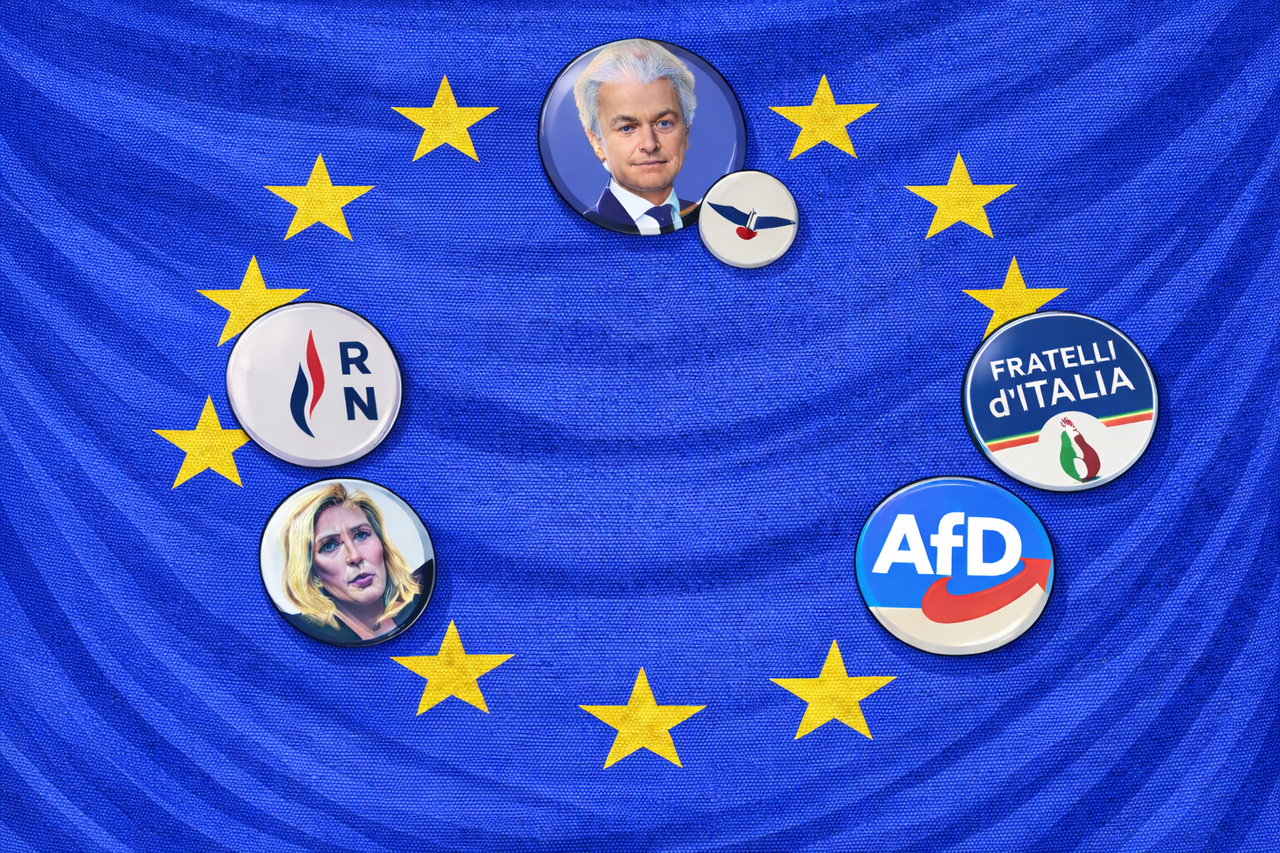
The turbulence is not confined to Britain. Far-right and populist parties are now simultaneously topping national polls in Germany, France and Britain for the first time in modern European history, with Reform UK, France's National Rally and Germany's AfD all leading their respective race trackers.
Some experts attribute the trend to high inflation, anxiety over immigration, and declining trust in institutions; pressures that have eaten into support for centrist parties across the continent, not just in Westminster.
“Society is changing, individual leaders are struggling to cope with that change, and I am not convinced the Conservatives have found the answer either,” according to Jurgens.
“This leaves voters in a political wilderness, which is dangerous.”
“We have seen in other European countries how support for far-right and far-left parties can grow rapidly. Britain should avoid that path,” he adds.
Old parties stopped reflecting society
Starmer's fall is unusually swift. He led Labour to one of the largest parliamentary majorities in the party's modern history less than two years ago.
Pressure had been building for months, fuelled by stalled growth, persistent NHS backlogs, and an unresolved housing shortage.
Real wages have barely moved since Labour took office, and Reform UK, led by Nigel Farage, has consistently led national polling. Labour has also lost liberal-leaning voters to the Greens, squeezed from both flanks at once.
“I think what the UK failed to realise is that society has changed. We had a two party system with the Conservatives and Labour, and for a long time people were reasonably happy with it. But society has evolved,” Jurgens says.
“New trends and new developments have emerged. Younger generations have entered politics in greater numbers. Some are strongly focused on environmental issues, some are anti-establishment, and others simply want change.”
“There are now far more diverse views, and the established parties failed to take them into account. As a result, we have seen the rise of more radical parties on the right,” he adds.
Starmer, a technocrat who never connected
Party insiders say Starmer focused on what he believed was achievable in government rather than setting out a clear vision for the country, and was increasingly seen by voters and his own MPs as lacking direction.
His closest allies have acknowledged he bears responsibility for the party's collapse in the polls, even as they argue the scale of the challenges he faced would have tested any leader.
Andy Burnham is now reportedly the front-runner to succeed Starmer.
Because Labour leadership candidates must be sitting MPs, the Greater Manchester mayor first had to secure a parliamentary seat, winning a by-election in Makerfield last week, before declaring that “everyone can feel that the country isn't where it should be. Tonight could… be the turning point”.
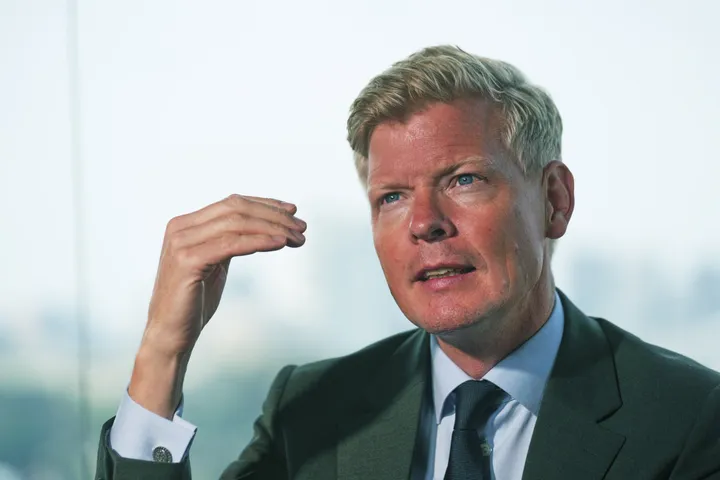
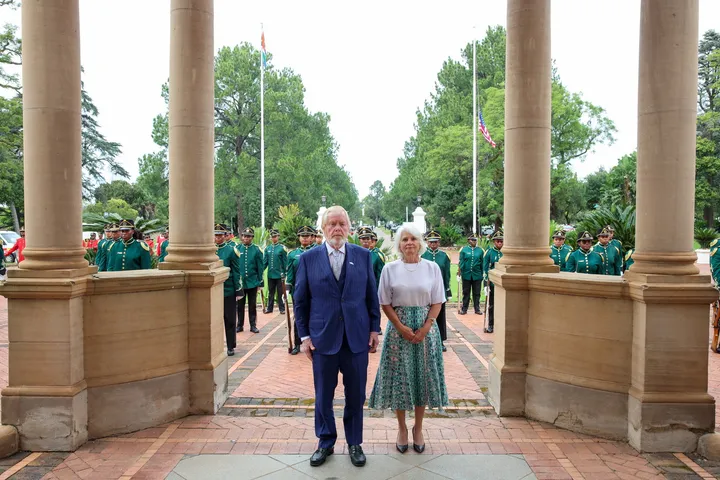






Burnham has emerged as the Labour figure many believe can beat Farage and Reform UK, and that belief is a big reason MPs pushed Starmer to resign, according to analysts.
This kind of internal pressure forcing out a sitting Labour prime minister has never happened before.
Officially, a leadership challenge requires the backing of 81 MPs, a fifth of the parliamentary party, though in this case, Starmer resigned before that threshold was reached.
Jurgens believes that Starmer never connected with the public on a deeper level.
“Sir Keir Starmer entered politics after a successful legal career and became Labour leader,” he says.
“However, I have always argued that he never truly became the darling of the Labour Party. He was a convenient choice but also a technocratic choice.
“If a leader cannot connect with voters, they will eventually be removed. I am not sure previous prime ministers connected particularly well with the public either,” says Jurgens.
“Labour's manifesto contained many ambitious proposals and read like a detailed blueprint for governing. The problem is that, over the last two years, Starmer failed to deliver on many of those promises,” he adds.
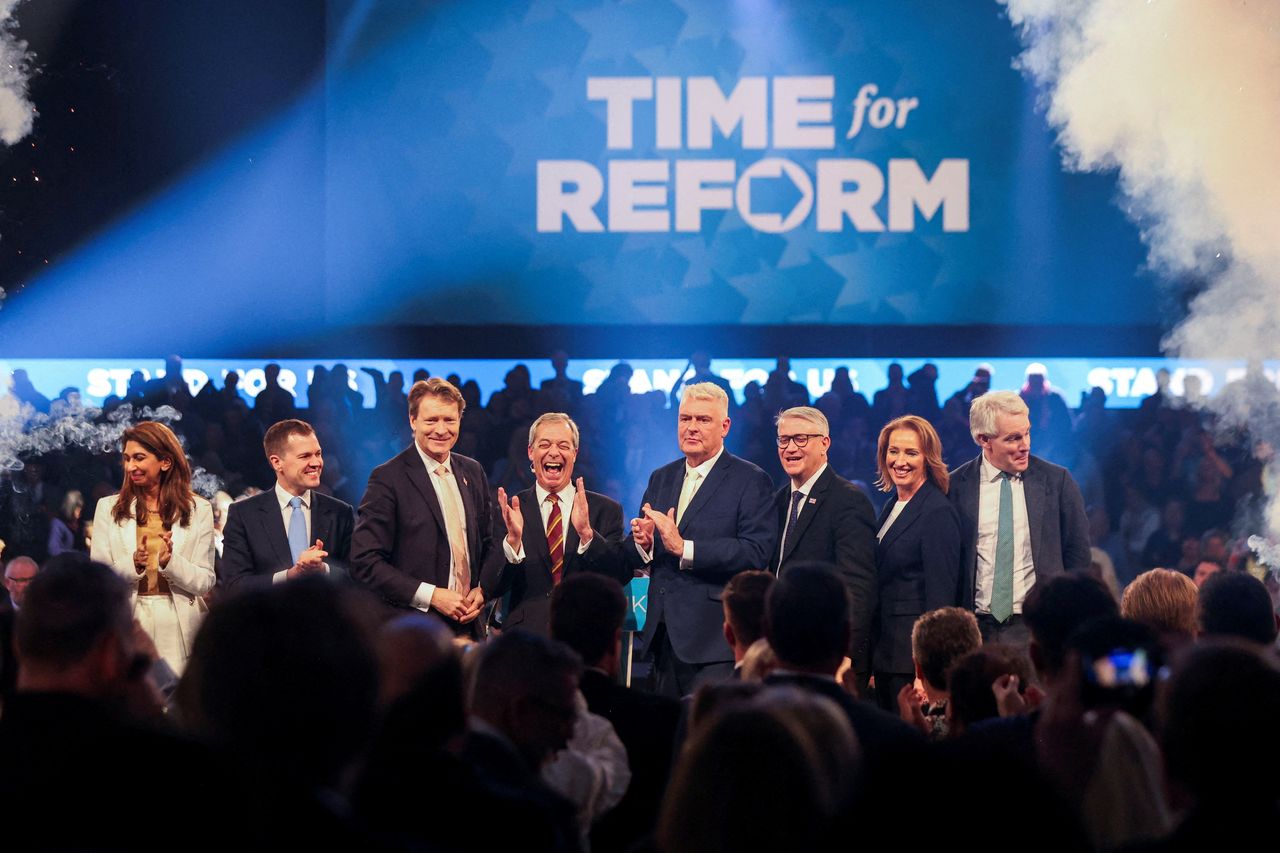
End of the two-party system?
The latest YouGov polling shows just how split British voters have become.
Reform UK leads with 25 percent, five points ahead of the Conservatives on 20 percent, with Labour third on only 18 percent.
The Greens, now led by Zack Polanski, are on 15 percent, and the Liberal Democrats are on 14 percent.
Five parties are now closely bunched together, none anywhere near the combined 40 percent-plus that Labour and the Conservatives used to command between them for most of the post-war era.
That alone shows how far the old two-party order has broken down.
Jurgens believes the two-party system, in its traditional form, is history.
“Society has changed. New voter groups, younger generations, and alternative political movements all want representation. We have Reform UK, the Liberal Democrats, the Greens, and potentially other movements that may emerge in the future alongside Labour and the Conservatives.”
“Having additional parties can provide balance and force larger parties to reflect on whether they are genuinely serving the public interest,” he adds.
May's local elections offered an early glimpse of what these numbers translate into in terms of seats.
Labour lost control of 38 councils, Reform UK gained 14, and the Conservatives lost six, while the Liberal Democrats and Greens both made big gains, picking up 844 and 587 seats, respectively.
Younger voters aren't all flocking to one insurgent party either; polling shows the Greens are now the most popular party among 18- to 24-year-olds, with some surveys putting their support in that age group as high as 38 per cent, while older voters remain split between the Conservatives and Reform.
Not all Labour MPs accept that a change of leader will fix the party's fortunes.
One Labour backbencher posted on social media, warning against an "utter stitch-up" and arguing that no single leader can counter forces such as Trump, Putin, or hostile media coverage, and that whoever follows Starmer will face the same impatience within months.
“Many voters feel that the political establishment is misusing its power. They see taxes rising, benefits being cut, migration remaining a major issue, and energy costs increasing,” Jurgens says.
“The average Briton is not necessarily opposed to migration or taxation. What people want is confidence that their taxes are being spent effectively and transparently.”