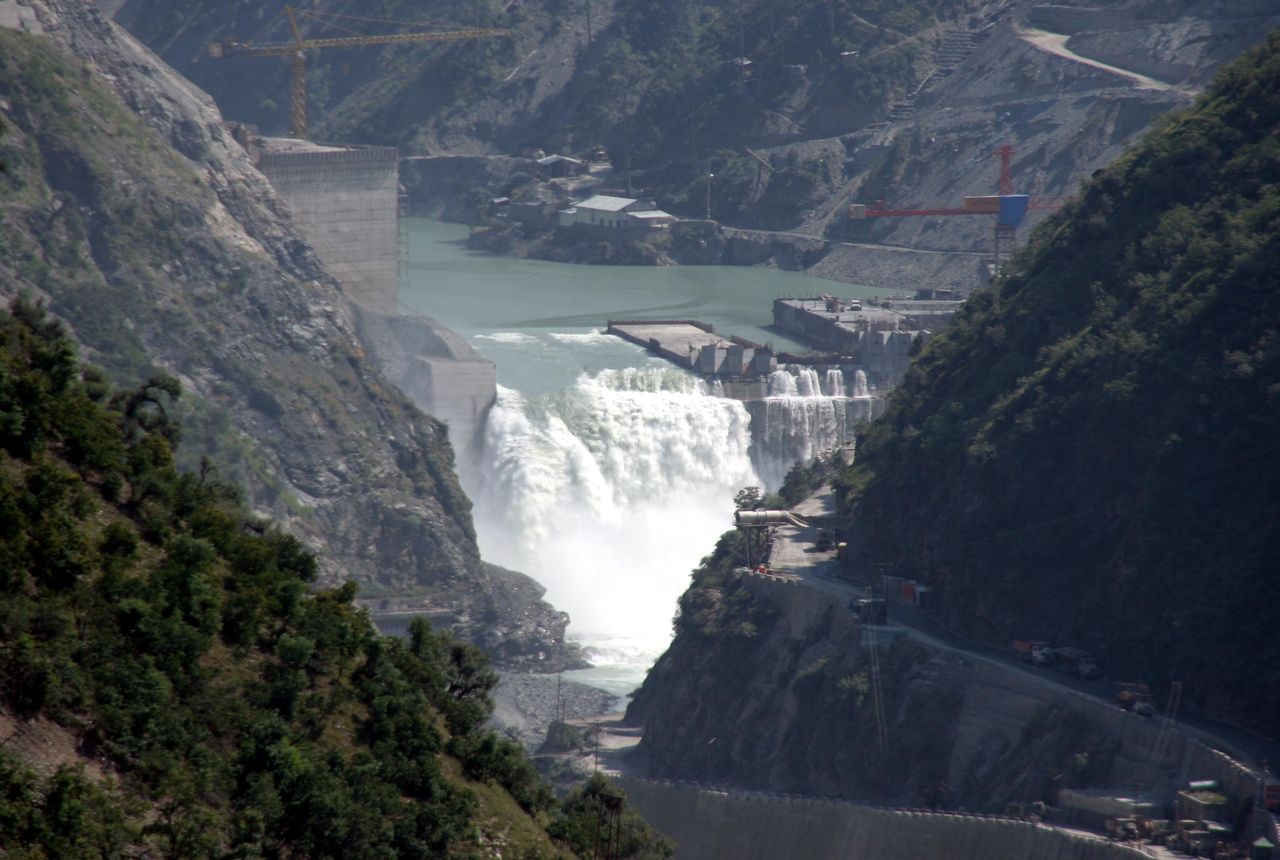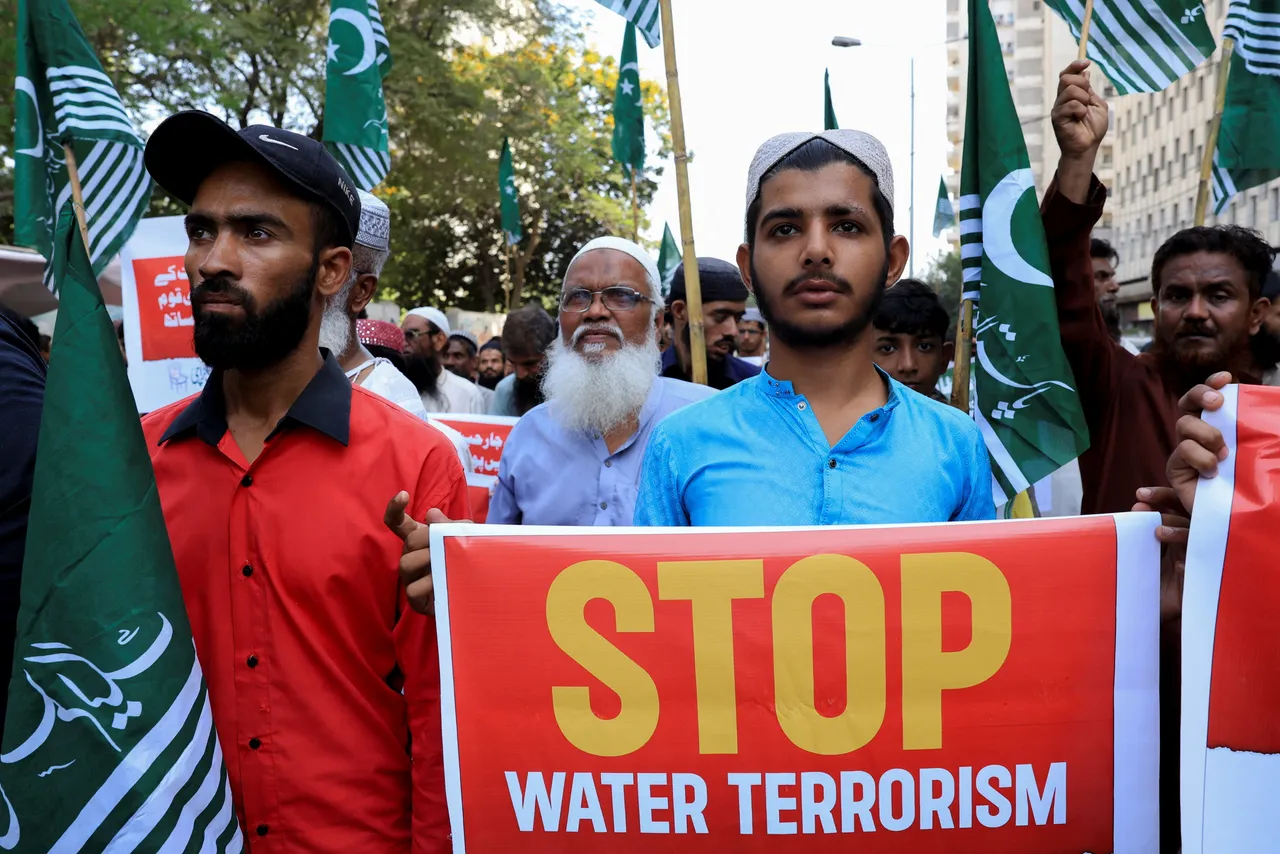
Pakistan's government has warned that any attempt by India to deprive Pakistan of its share of water under the Indus Waters Treaty would amount to the "weaponisation of water" and could have serious consequences for regional peace and security.
Foreign Minister Ishaq Dar and other government officials made the remarks on Tuesday at an international seminar on the 1960 World Bank-brokered treaty, which governs the sharing of water from the Indus River system between the nuclear-armed neighbours.
Speaking at the seminar, Dar said water should never be used as a political tool.
"Shared waters must never be weaponised. They should remain a bridge between nations, guided by cooperation, dialogue, and respect for international law for the benefit of present and future generations," he said.
He described water as essential to human dignity, food security, economic development, and environmental sustainability, arguing that rivers crossing international borders should foster cooperation rather than confrontation.
Dar called India’s 2025 decision to suspend the treaty "illegal" and said Pakistan considered the agreement to remain valid and legally binding.
"No party can unilaterally suspend or terminate obligations under a treaty that contains no such provision," he said, adding that international agreements must be implemented in good faith.
He also reiterated Pakistan’s position that any attempt to divert, interrupt or reduce water allocated to Pakistan under the treaty would be treated as an "act of war," referring to a decision adopted by Pakistan’s National Security Committee after India announced the suspension.
On June 18, Dar told a seminar in Brussels, that India was building or expanding 17 projects to control water flow to Pakistan that he said "drastically alter the river system" and give India "tools for hydro-hegemony".
Cuts in Chenab water flow
Pakistan in recent months has repeatedly accused India of violating the treaty since New Delhi announced its suspension.
During Tuesday’s seminar, Mehar Ali Shah, chairman of Pakistan’s Indus River System Authority, said that India reduced water flows in the Chenab River in recent months in violation of the treaty.
Shah said he had written to his Indian counterpart regarding fluctuations in the flow of the Chenab River four times since last April but there had been no response thus far.
He said India’s plans to develop a link project between Chenab and Beas rivers would divert 1.9 million acre-feet of water from the Chenab.
In the same seminar, Pakistan’s Federal Minister for Climate Change, Musadik Malik, issued a sharp warning, saying, "Whoever touches our water, their hands would be cut off".
He claimed that due to water-related issues linked to Indian blockade, around 6,000 people have died in Pakistan and thousands have been injured.
Malik highlighted that erratic river flows to Pakistan, saying one day, the water flowing through Marala headway was 1,500 cusecs, which rose to 78,000 cusecs, and then fell back to 1,500 cusecs, "with not one drop of rain to explain that."
"So, the only thing that explains this phenomenon is that someone else.. has their hand on the tap that controls his water," he said.
The seminar came weeks after Indian water resource minister, C.R. Patil admitted that New Delhi was working to ensure "the flow of Indus water to Pakistan will stop" and threatened that Pakistan would not get a "single drop of water" in the coming years.
There was no immediate comment from New Delhi.
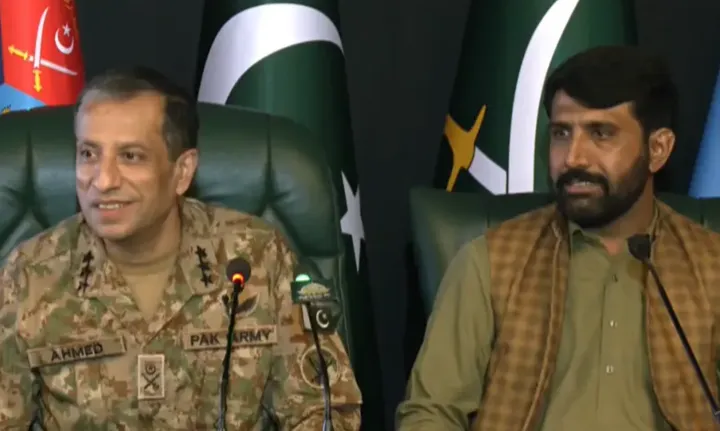

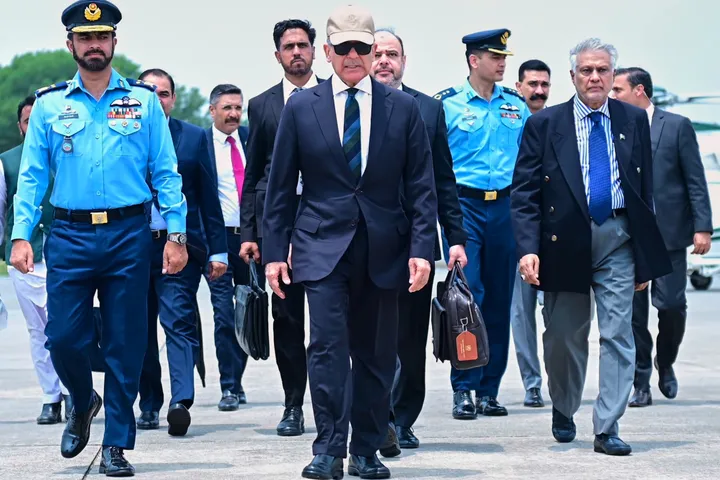


Earlier, Information Minister Attaullah Tarar said the treaty could not be amended, revoked, suspended, or placed in abeyance unilaterally.
He argued that protecting the agreement had become increasingly important as climate crisis, shrinking glaciers and growing water scarcity threatened the region’s long-term stability.
Former Foreign Minister and PPP Chairman Bilawal Bhutto-Zardari addressed the seminar, likening India’s suspension to the US-Iran blockade of the Strait of Hormuz.
"Just as one could not imagine warring parties agreeing to a ceasefire let alone peace without free-flowing Hormuz, how can Pakistan be expected to sustain a ceasefire when India continues to pose an existential threat?" he said in his remarks.
"Let there be no ambiguity in Islamabad, in New Delhi, in Washington, in Beijing, in London and at the United Nations, this is not a technical dispute… This is the weaponisation of water," he added.
Brokered by the World Bank and signed in 1960, the Indus Waters Treaty regulates the distribution of water from the Indus River system.
Under it, India controls the eastern rivers, Ravi, Sutlej and Beas, while Pakistan receives the waters of the western rivers — the Indus, Jhelum and Chenab.
Until May 2025, the treaty survived multiple wars between the two countries, including conflicts in 1965 and 1971, as well as the 1999 Kargil conflict, and has long been regarded as one of the few enduring agreements between the neighbours despite decades of hostility over disputed Kashmir.
India puts treaty in strain
The treaty has come under renewed strain after India suspended its participation in the agreement following the killing of 26 mainly Hindu tourists in India-administered Kashmir in April last year.
New Delhi immediately blamed Pakistan for the attack, without any evidence. Islamabad denied the allegation and sought an independent investigation.
Both countries downgraded diplomatic and trade ties, closed their main land border crossing and revoked visas for each other’s nationals.
New Delhi rejected calls for independent probe and began attacking Pakistan, triggering one of the sharpest deteriorations in relations between the nuclear-armed rivals in decades.
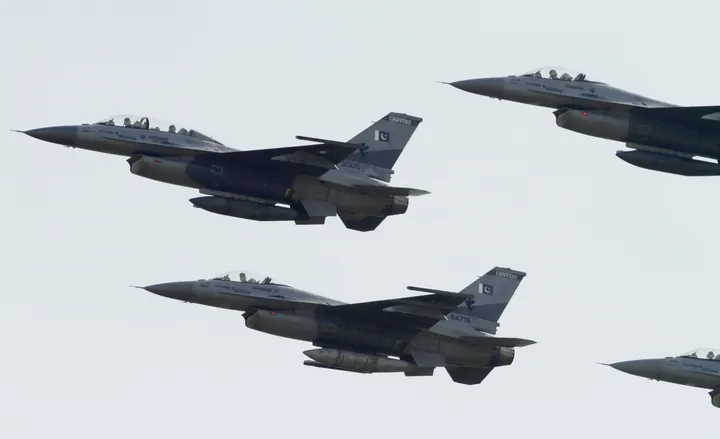
Pakistan retaliated against Indian attacks, downing several aircraft and targeting Indian military bases in May before a ceasefire was announced by US President Donald Trump.
India initially denied that any of its aircraft had been downed, but later admitted to the losses. It also denied that any soldiers had been killed at the time, but recently admitted to the loss of at least six soldiers.
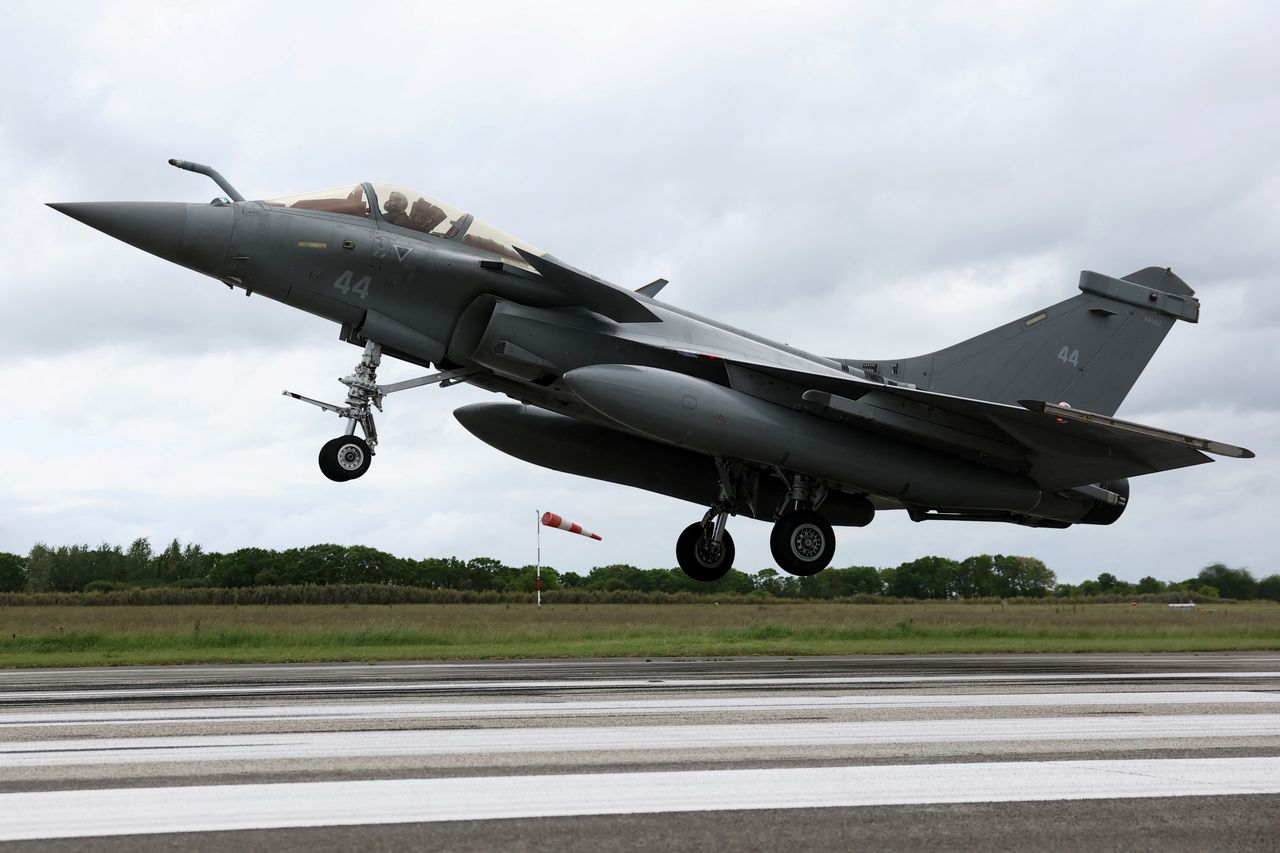
The US, which mediated the truce, believes approximately 11 aircraft were shot down, while Pakistan says it shot down seven or eight Indian aircraft, including Rafale fighter jets.
Relations between India and Pakistan have remained frozen since.
India says US played no role in truce, but Pakistan has hailed President Trump’s efforts and nominated him for the Nobel Peace Prize.