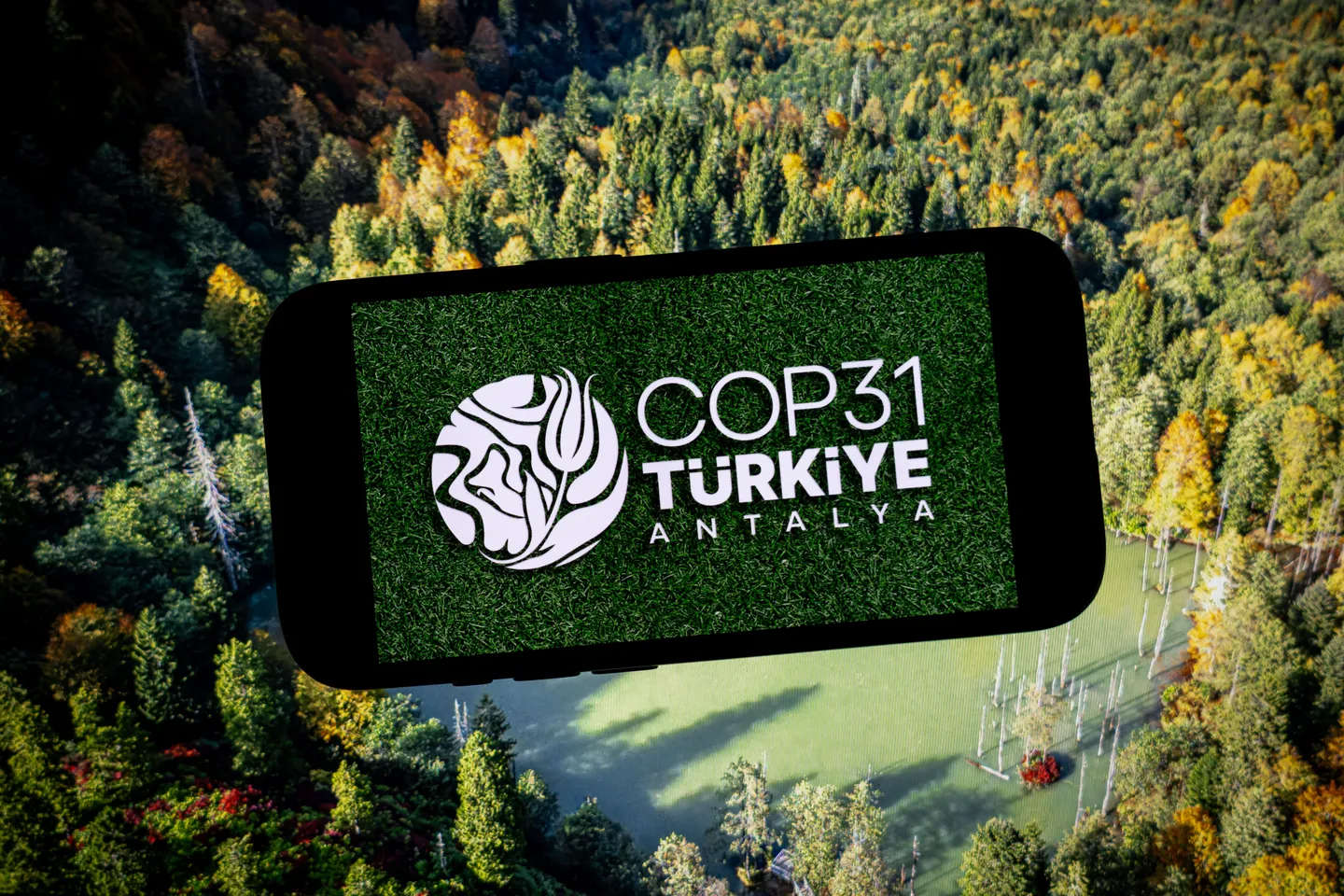
The head of the World Meteorological Organization (WMO) has praised Türkiye’s preparations for the upcoming UN Climate Conference, known as COP31, saying the country is doing a “great job” at both the organisational and strategic levels.
Speaking to Anadolu on Friday ahead of the conference, set to start next Monday in the Turkish city of Antalya, Celeste Saulo stressed the need to translate climate commitments into concrete action, citing past COP conferences.
“I think that from the previous COP and now more at COP31, there is a strong desire to move from promises to implementation. That is where WMO has a role, and that is where my expectations as secretary-general of WMO are focused,” said the UN agency head.
“I welcome Türkiye hosting COP31. The active role of Türkiye in climate diplomacy is very clear, and certainly the agenda is quite relevant for the moment we are facing,” she added.
Voicing her eagerness to attend the summit, Saulo praised Türkiye’s leadership and urged countries to accelerate climate action.
“Certainly Türkiye is doing a great job both at the organisational and at the strategic level. And I hope that all the countries come together to follow this big idea and vision behind this COP31,” she said.
Türkiye’s COP31 Action Agenda
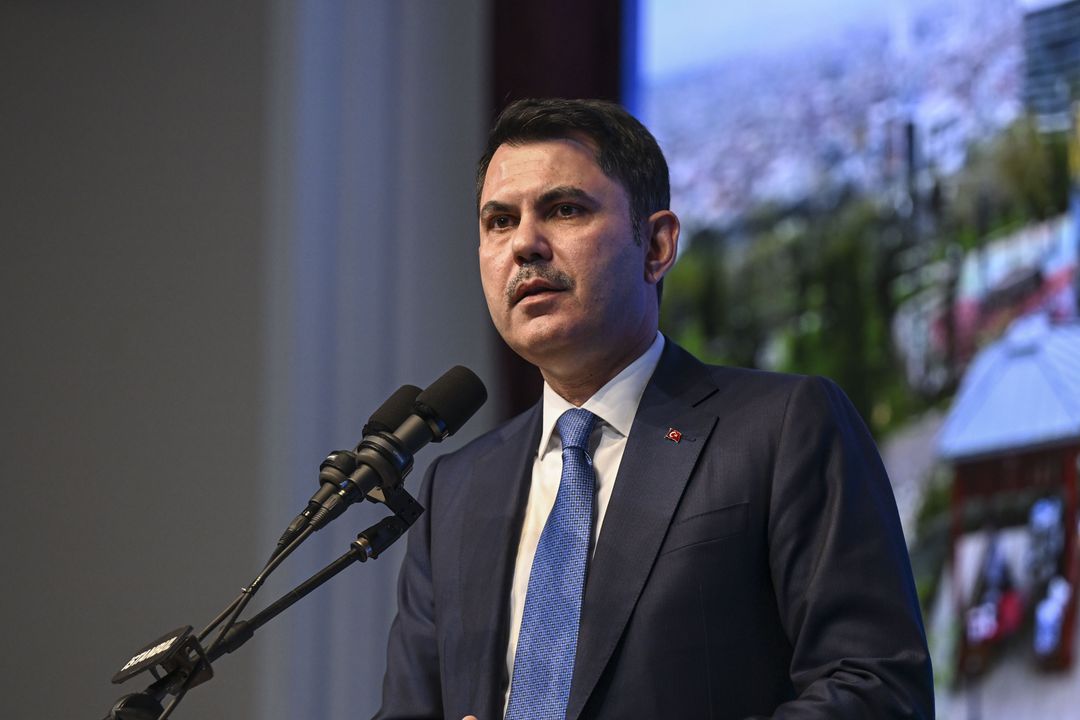
Saulo expressed confidence that Turkish Environment, Urbanisation and Climate Change Minister Murat Kurum, the president-designate of COP31, would lead discussions and actions capable of changing the current course of climate efforts.
Highlighting Türkiye’s COP31 Action Agenda, she stressed the importance of science-based, evidence-focused and action-orientated approaches.
“I would say that this is the basis of this COP31, and that’s where WMO fits perfectly well along these lines,” she said.
Citing Kurum’s September visit to WMO headquarters in Geneva, Saulo said he had shown a clear commitment to strengthening national meteorological and hydrological services.
She also emphasised the alignment between the WMO’s priorities and the COP31 agenda, particularly in areas such as clean energy, urban development, youth, and communities.



“We believe that science needs to be the basis for decision-making,” she said, adding that the WMO provides climate intelligence essential to policymaking.
Collective efforts
Saulo said the current El Nino phenomenon, expected to reach its strongest levels toward the end of the year, underscores the urgency of climate action, resilience, and adaptation.
“What this El Nino brings is a tangible reality of what we are experiencing in terms of climate impacts. That is part of the dialogue that we will be having during COP31,” she said.
Saulo highlighted the Systematic Observations Financing Facility, which supports least-developed countries and small island states in strengthening their weather and climate observation systems.
“As we always say, we cannot manage what we do not observe,” she said, calling for collective efforts to improve observation capabilities.
Early warning systems
She also stressed the importance of the Early Warnings for All initiative, noting that COP31 would feature a high-level event dedicated to accelerating its implementation.
“There is a broad recognition that early warning systems save lives, and it’s also a broad recognition that we are making progress. The problem is that the progress is not as fast as we would like it to be,” she said.
“Please use science and evidence-based content to drive your policies. Move faster. Implement now,” she said.