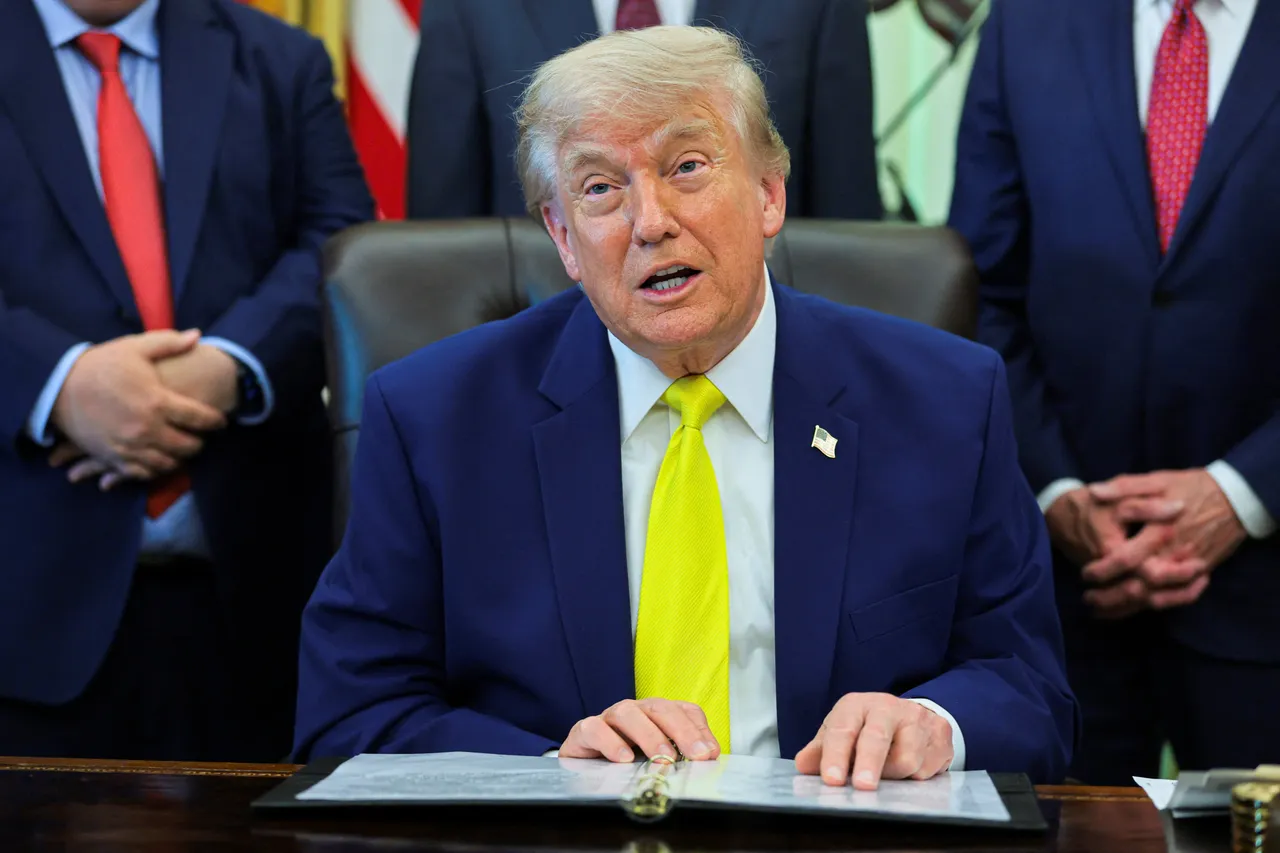
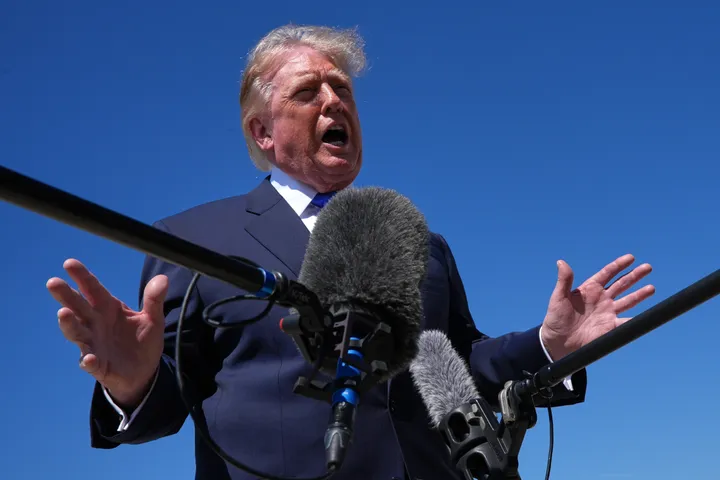
US President Donald Trump has said he would be "honoured" to meet Iran's new Supreme Leader Mojtaba Khamenei if a deal is reached between the two countries.
"I don't want to meet, but if I did meet, I'd be honoured to meet him," Trump said on Thursday when asked about a possible sit-down with the Iranian leader, whose father and predecessor, Ali Khamenei, was killed at the beginning of the US-Israeli war on Iran on February 28.
"I'd like to see if we make a deal, but if we make a deal, it's possible that I would meet him," Trump said.
Asked if the meeting would take place in the US, Trump said: "I haven't really heard too much about it. I didn't suggest it, but some people have suggested it."
Asked if he would resume war against Iran if Tehran were to kill US troops in the region, Trump replied: "It would be a good reason. I'd be honest with you, if they killed US troops, I think I would do that very quickly."
Trump also said the US did not need a deal with Iran to get enriched uranium from the country.
"We could get it right now. I don't think they could stop us if we wanted, but there's no reason to. It's entombed," he told reporters in the Oval Office.
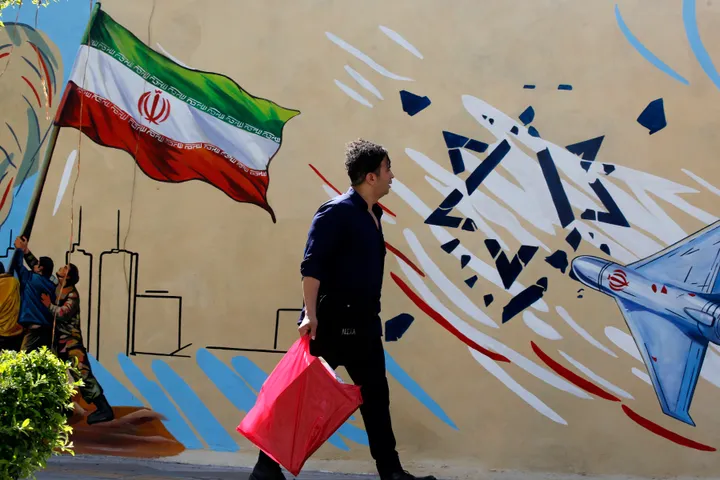
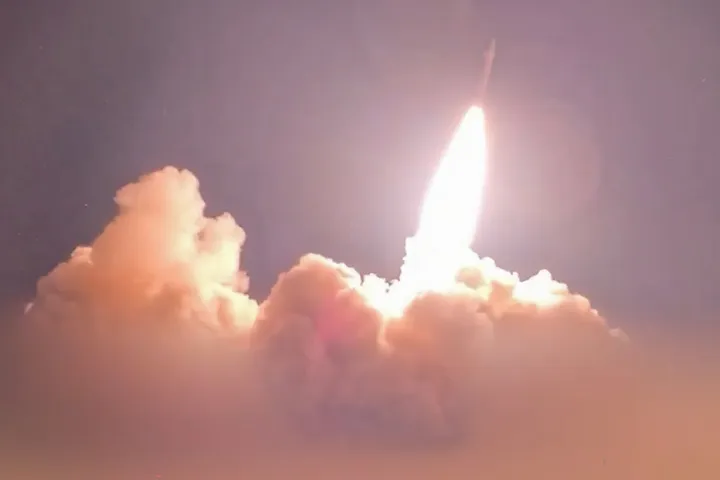
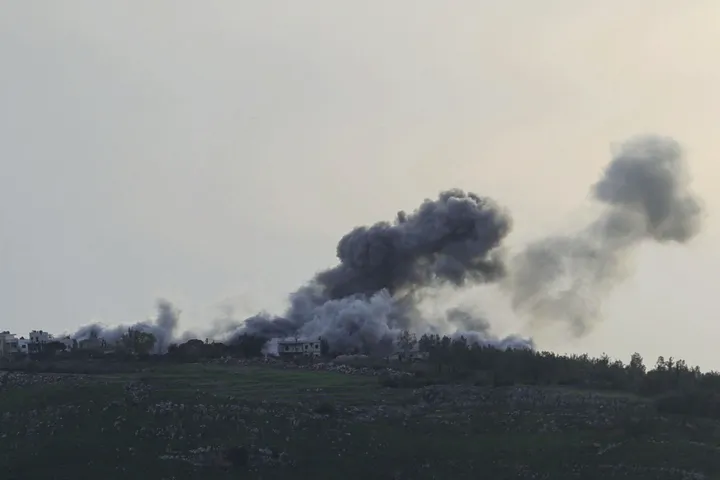

Occasional exchanges
Trump joined Israel in attacking Iran on February 28, with strikes quickly killing the longtime supreme leader, Ali Khamenei, and much of the other top brass.
But Iran quickly hit back by exerting control over the Strait of Hormuz, the narrow passageway through which one-fifth of global oil once sailed, and it has rained missiles and drones on US-allied Gulf Arab monarchies, shattering the oil-rich countries' hard-earned reputation for stability.
After 40 days of war, Iran has been largely peaceful since a Pakistan-mediated ceasefire kicked into place on April 8.
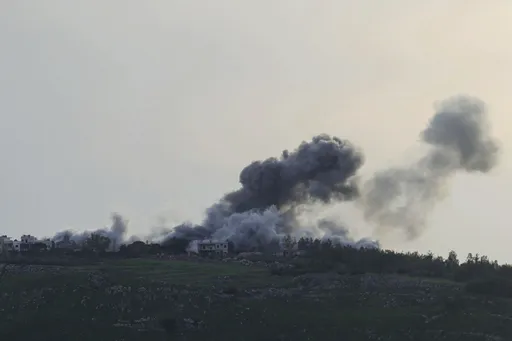
But weeks of negotiations have failed to bring about a long-term peace deal while tensions remain high with occasional exchanges of fire, like that this week in the Strait of Hormuz, Kuwait and Bahrain.
Israel and the US have long accused Iran of wanting to build a nuclear weapon, with President Trump claiming that threat as justification for attacking Iran.
Trump has insisted that Iran must accept in any deal to end the war that it will not have a nuclear weapon and that the uranium is destroyed.
Tehran has repeatedly denied having any military ambitions, insisting on its right to the technology for civilian purposes.