China has launched the World Artificial Intelligence Cooperation Organization (WAICO), the first independent, treaty-backed intergovernmental organisation specifically dedicated to AI.
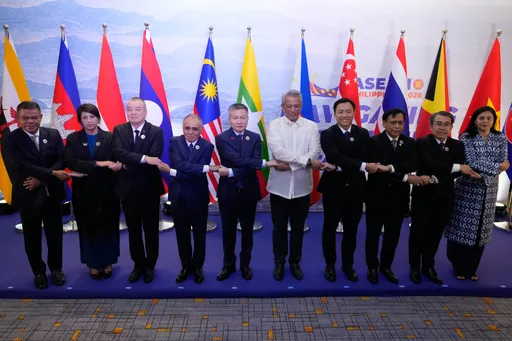
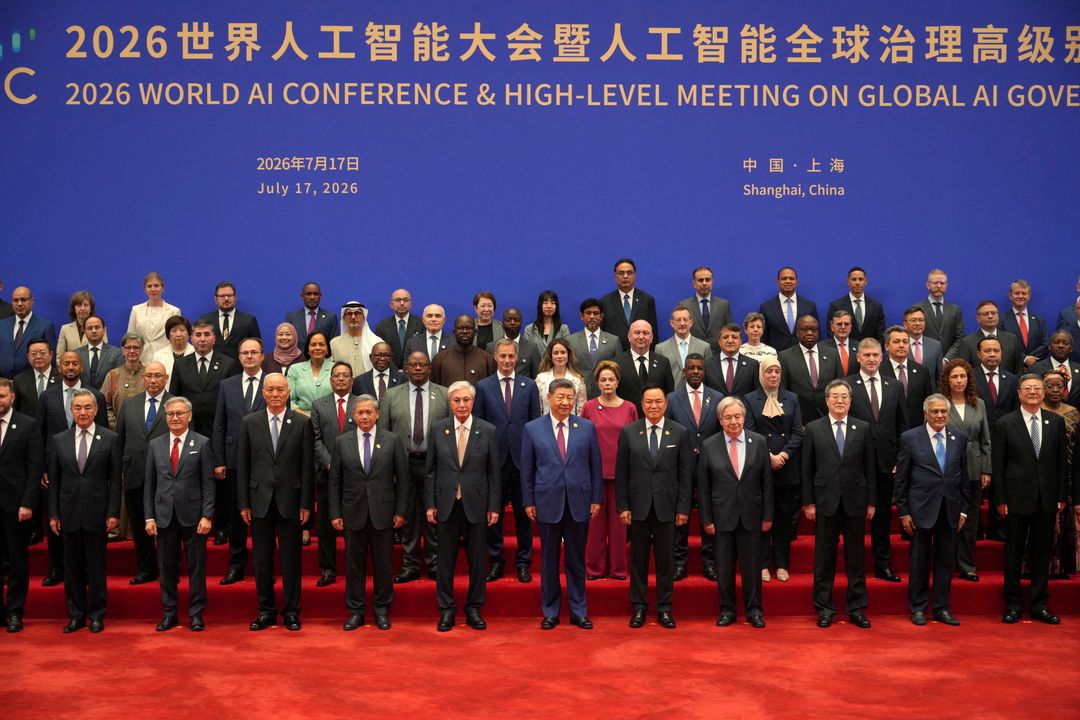
The organisation’s founding agreement was signed on Thursday by 29 countries, which became its initial members. The organisation is open to all countries and explicitly led by a "development-first" Global South agenda.
The initiative marks Beijing’s latest effort to expand its influence over how artificial intelligence is developed and regulated globally, as well as to intensify debate over China’s position in the global AI race.
Filling the AI governance vacuum
While the United States remains a leader in AI research and private-sector innovation through companies such as OpenAI, Google and Microsoft, it has not established a comparable international organisation dedicated specifically to AI governance.
The European Union has moved ahead with the AI Act, the world’s first comprehensive AI regulatory framework.
International bodies, including the United Nations, UNESCO, the OECD and the G7 have developed AI principles and recommendations. However, neither has created a broad multilateral institution focused exclusively on coordinating AI cooperation between countries.
WAICO seeks to fill that gap by providing a platform for international collaboration on AI governance, covering issues such as safety, technical standards, ethical principles, scientific cooperation and the responsible deployment of advanced AI systems.



In recent months, the question of who monitors the rampant use of AI in everyday life has come to the fore as cases of misuse have risen.
Equal opportunities for developing countries
According to its founding declaration, WAICO aims to build a more inclusive global AI ecosystem by helping reduce disparities in AI capabilities between developed and developing countries.
A central objective is to ensure that countries in the Global South have equal opportunities to participate in AI development and benefit from technological advances, rather than remaining consumers of technologies developed in rich nations.
The organisation will promote cooperation in areas including open-source AI development, AI education and workforce training, data governance, AI applications in energy systems, and joint mechanisms to address cybersecurity risks and the malicious use of artificial intelligence.
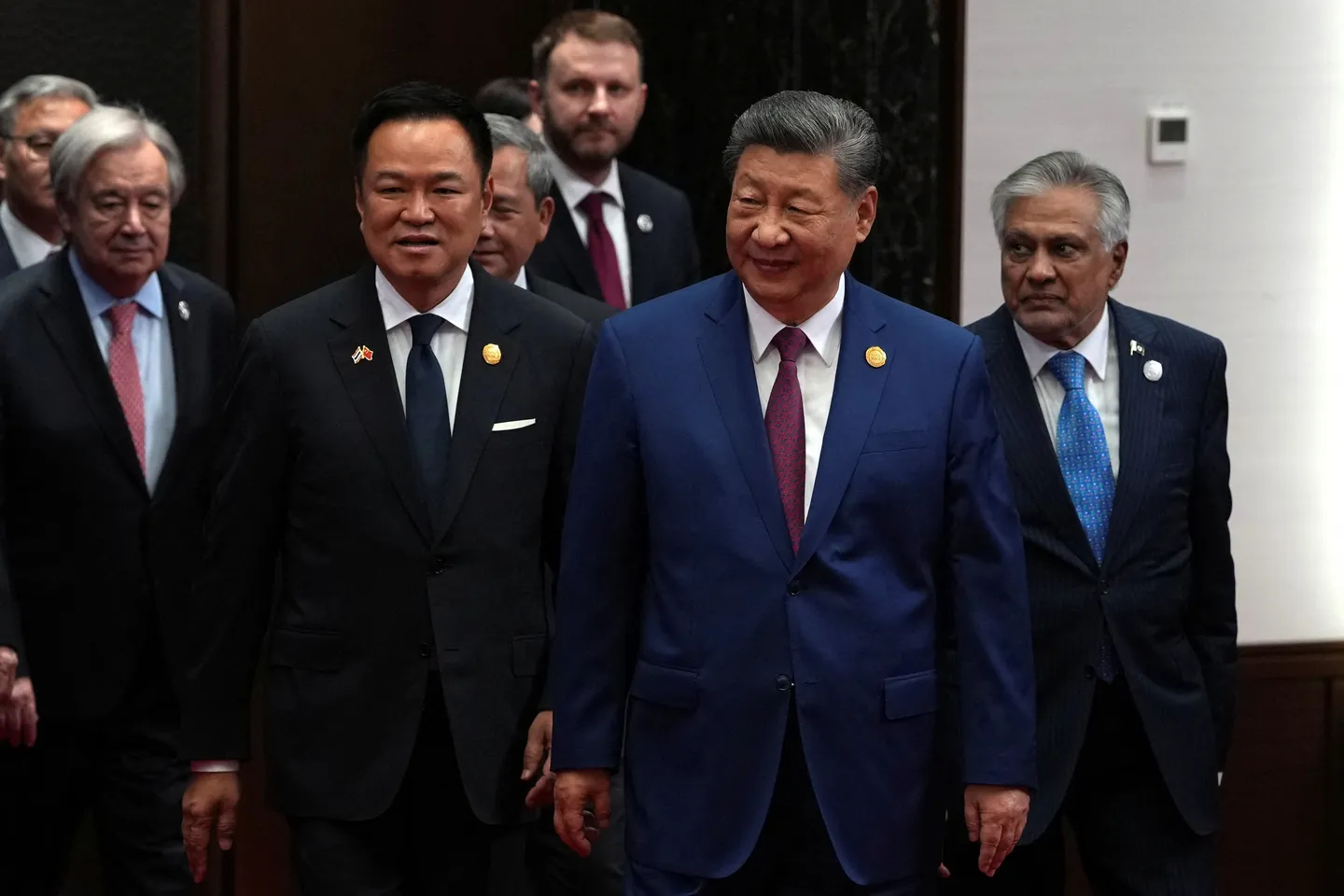
The organisation's inaugural conference drew UN Secretary-General Antonio Guterres along with representatives from more than 100 countries and international organisations, underscoring the growing international interest in establishing mechanisms for AI governance.
The launch also highlights the absence of a single global authority overseeing artificial intelligence, despite the technology's increasingly significant economic, security and geopolitical implications.