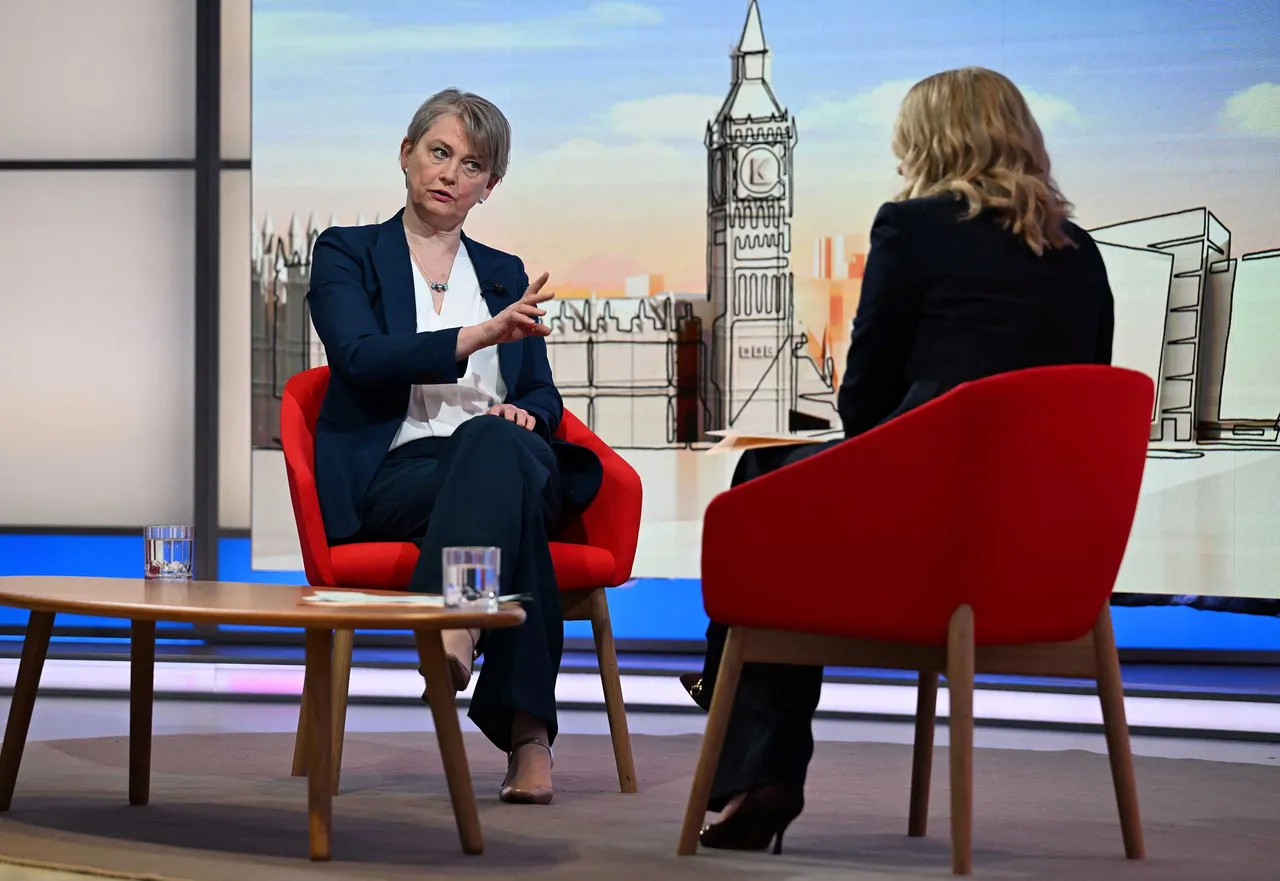
UK Foreign Secretary Yvette Cooper has said Britain will not "outsource" its foreign policy decisions, pushing back against criticism from US President Donald Trump and former British Prime Minister Tony Blair over the government's stance on military action involving Iran.
Speaking on Sky News on Sunday, Cooper emphasised that the government must make decisions based on its own national interests, not simply mirror other nations' positions.
"The thing I've learned doing this job is that you have to focus on substance and not on social media posts. And that's the important way to do this," she said.
She stressed that while the United States chooses what it believes is right for its interests, the UK will independently determine what is right for Britain.
"The US president has the responsibility to do what he thinks is right in the US national interest. The UK prime minister is responsible for doing what they believe is right in the UK's national interest. That means sometimes we will disagree," she said.
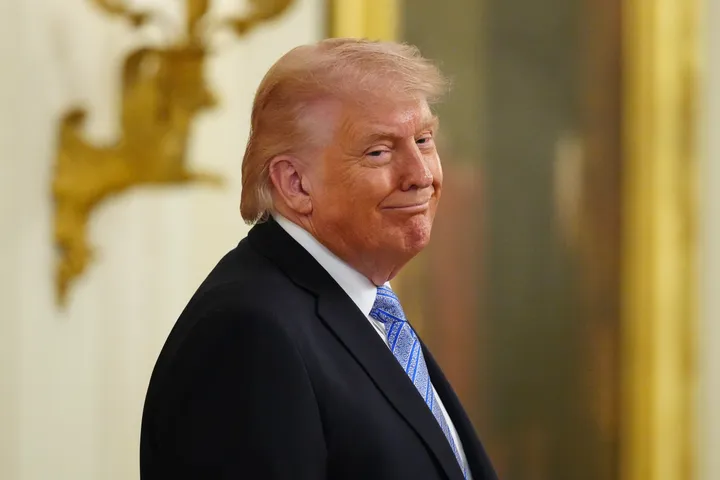
Cooper's remarks come amid a growing public spat with Trump, who has criticised UK Prime Minister Keir Starmer for initially refusing to support US-led air strikes on Iran.
In recent social media posts, Trump argued that the UK should have backed Washington early in its offensive and suggested Britain's contribution was unnecessary.
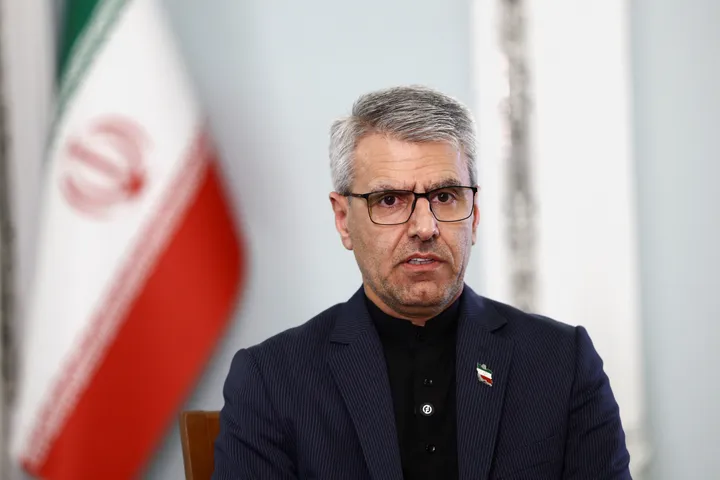


Downing Street later approved limited use of British airbases for what it described as defensive strikes, and RAF jets have been deployed to help protect UK allies by shooting down Iranian missiles and drones.
However, the government's more cautious approach has drawn criticism from some political figures, including Blair, who said the UK should have supported the US earlier.
Responding to calls that Britain should have aligned more closely with US actions, Cooper pointed to the Iraq war, saying it underlined the importance of learning from past mistakes and making sovereign decisions that reflect British priorities and interests.
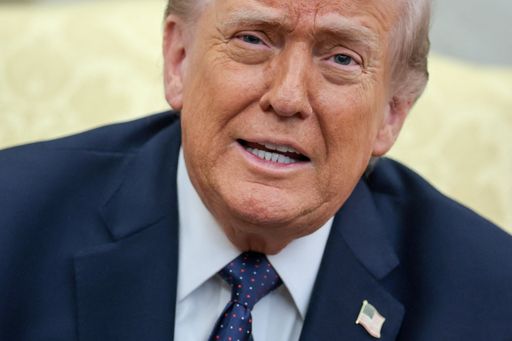
"I think the point is to make sure that actually we learn the lessons from some of the things that went wrong in Iraq. And I think that is exactly what Keir Starmer has done," she said.
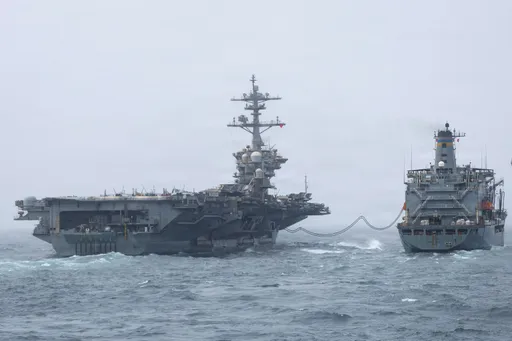
Cooper also declined to outline how long the conflict with Iran may last or to confirm the deployment of UK warships to the region, saying the situation remains dynamic and uncertain.
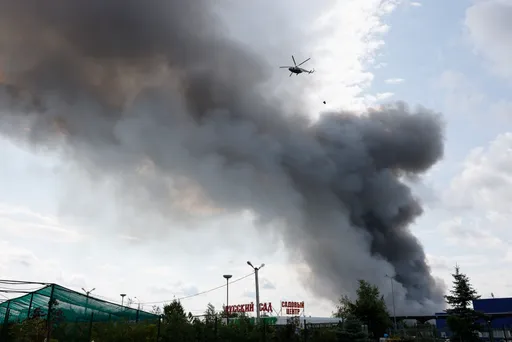
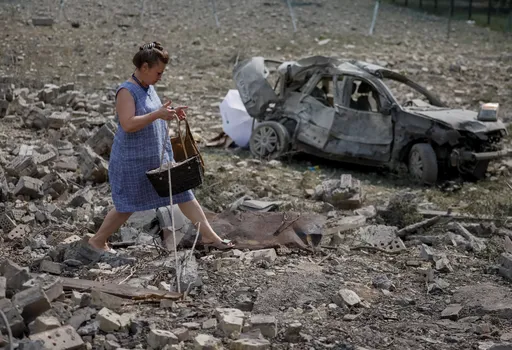
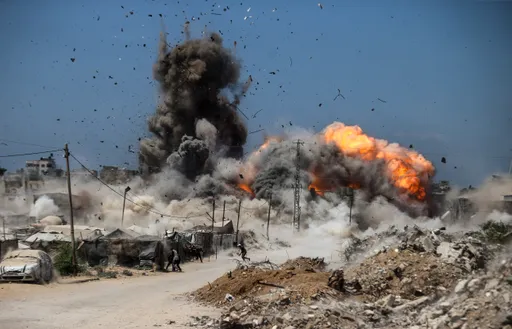
Regional tensions have soared since the United States and Israel launched a large-scale attack on Iran on February 28, killing more than 1,200 people to date, including Iranian Supreme Leader Ali Khamenei, over 150 schoolgirls, and senior military officials.
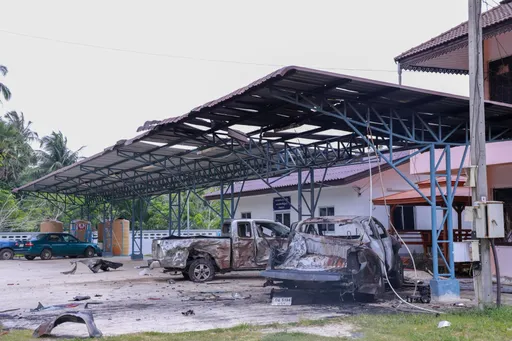
Iran has retaliated with sweeping strikes targeting US bases, diplomatic facilities, and military personnel across the region, as well as multiple Israeli cities.