 Murat Sofuoglu
More than a decade after Britain voted to leave the European Union in a contentious referendum, the country appears to be reconsidering its relationship with the bloc amid mounting economic pressures and a shifting political landscape.
The 2016 referendum exposed deep divisions within the British political establishment over the country's future, as populist movements gained ground across Europe and the United States.
Three years after the vote, as Britain continued negotiating its withdrawal from the EU, Brexit helped propel one of its chief architects, Boris Johnson, to power. His landslide victory in the 2019 general election appeared to signal the country's determination to chart its own course outside Brussels.
But the years that followed fell short of the "beginning of the new golden age" Johnson had promised. His vision of national renewal rested on restoring British sovereignty and reclaiming control of the country’s borders, but it did not deliver the “stunning success” he had predicted.
Instead, Britain entered a period of political instability and mounting economic difficulties. Johnson's premiership ended in 2022, paving the way for Liz Truss, who resigned after just 45 days in office, becoming the shortest-serving prime minister in British history.
Her successor, Rishi Sunak, could not reverse the Conservatives' declining political fortunes. The 2024 general election delivered a crushing defeat to the party and handed Labour a substantial parliamentary majority.
Yet Labour Prime Minister Keir Starmer, who had been reluctant to advocate a political rapprochement with the EU that might include rejoining the 27-state bloc, also struggled to navigate Britain's changing political landscape. He resigned in July 2026, two years after taking office.
A decade after the referendum, the economic consequences of Brexit have become increasingly difficult to ignore. Leading economists estimate that Britain's economy has suffered a 6 to 8 percent loss in GDP, alongside a 12 percent decline in foreign investment.
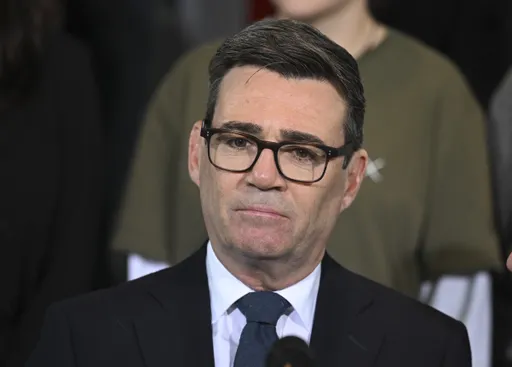
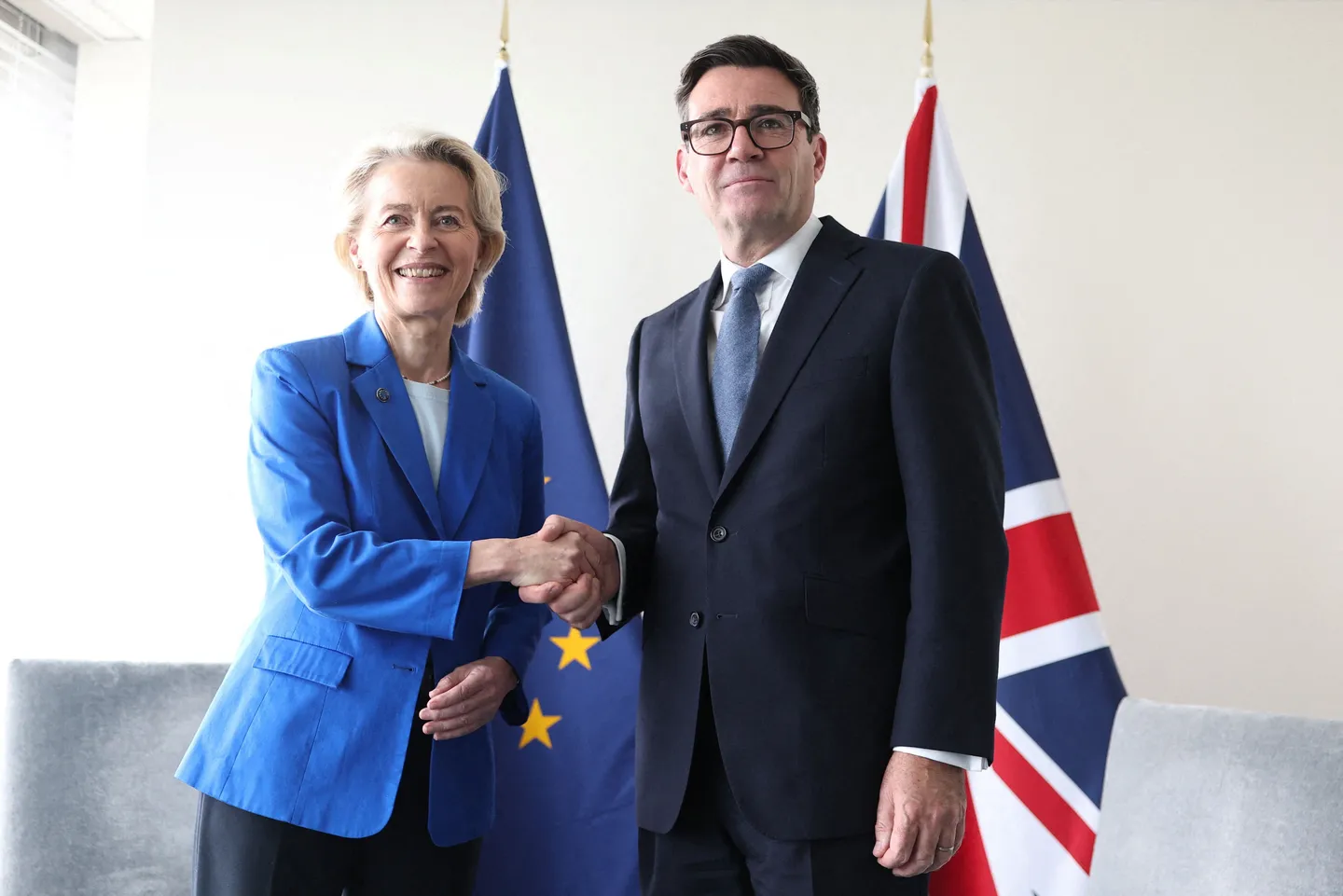
Against this backdrop, Britain's new prime minister, Andy Burnham, has signalled a significant shift in the country's approach to Brussels, making closer ties with the EU, including the possibility of rejoining the bloc, a political priority.
“There are three main reasons for that: growth, geoeconomics and electoral positioning,” says Mehmet Babacan, a professor of economics at Marmara University who previously served on an auditing committee at Türkiye's central bank.
According to Babacan, Brexit's economic consequences, US tariffs affecting Britain and growing public support for closer ties with the EU are helping drive the country's changing position.
Economic argument
While some studies have highlighted Brexit's potential economic benefits through unilateral free trade and deregulation, successive UK governments have yet to fully implement these policies. As a result, the substantial economic gains Brexit supporters anticipated have so far failed to materialise.
“Burnham argues Brexit triggered ‘a decade of low growth’ and other trade deals offer little: the Australia and New Zealand deals together are estimated to add only 0.1% to the GDP over a decade,” Babacan tells TRT World.
A recent study led by Paul Mizen, a professor of economics at King's College London, alongside researchers from Stanford University, the Bank of England and the University of Nottingham, has also highlighted the economic costs of Brexit.
The study found that Brexit has left the UK economy “significantly smaller than it would otherwise have been”.
According to Babacan, economists broadly agree that Brexit has had negative economic consequences for both the UK and the EU, although the impact has been considerably greater on Britain.
As a result, “the case for some form of Britain’s return to the EU seems to be strong in economic terms as evidence points one way,” he says.
“Based on different models, a new deep alignment of the UK with the EU could recover around half of the estimated cost associated with Brexit.”
Beyond Brexit's economic consequences, US tariffs have pressured both London and Brussels, strengthening the case for closer economic cooperation.
According to Babacan, these trade pressures are prompting both sides to reconsider their post-Brexit relationship and explore ways to reintegrate their economies.
Local politics
Beyond the economic argument, Babacan points to another factor driving Burnham's rapprochement with the EU: a shift in British public opinion, with recent polls suggesting growing support for closer ties with Brussels.
A September survey by the Messina Group (TMG) found that Labour could gain up to seven percentage points in electoral support if Burnham pursued closer ties with the EU and offered voters a new referendum on rejoining the bloc.
In the 2016 referendum, 51.89 percent of voters backed Leave, compared with 48.11 percent who voted Remain. A decade later, the TMG survey found that 52.4 percent of respondents believed leaving the EU had been the wrong decision, while only 29.7 percent considered it the right one.
“The Labour party’s base is strongly pro-European," Babacan says.
He draws a parallel with Canada's Mark Carney, who used Trump's threats against Ottawa to strengthen his electoral appeal while seeking closer ties with Brussels.




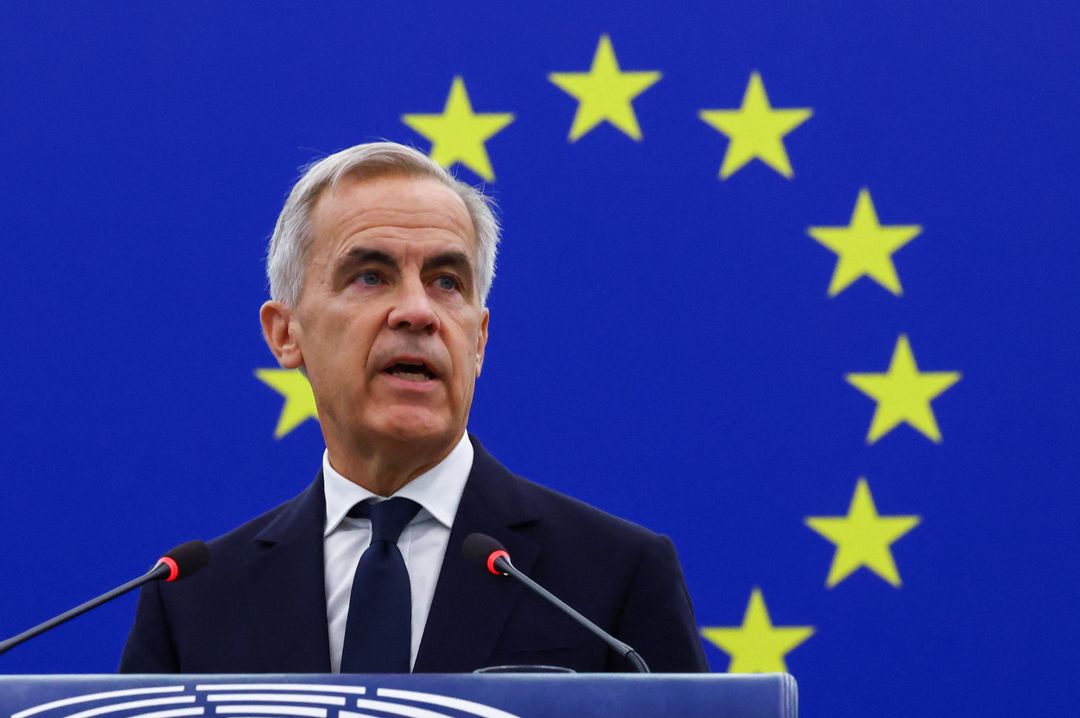
According to Babacan, Burnham appears to be pursuing a similar strategy, positioning closer cooperation with the EU as a response to Trump's policies while seeking to counter Nigel Farage's Reform Party, which has aligned itself with the MAGA movement.
But Farage sees an opportunity in Burnham's approach.
With Reform polling closely with Labour, Farage believes the prime minister's renewed push towards Brussels could give him “the biggest boost” of his political career.
This competing political pressure, Babacan argues, means Burnham must carefully consider how far and how quickly to pursue closer relations with the EU.
He warns that the prime minister must approach each step on “the ladder of rapprochement” cautiously, moving from sector-specific agreements to a possible customs union, participation in the single market, and, ultimately, full EU membership.
He says this gradual approach could help Burnham avoid reigniting the Brexit-related political divisions that contributed to the downfall of several Conservative leaders, including Johnson and Sunak.
While deeper integration with the EU could deliver greater economic benefits, Babacan also cautions that it could involve significant political trade-offs over sovereignty, currency arrangements and migration, issues that have fuelled populist movements across Europe and the United States.
“The most plausible sensible path for the time being seems to go for deep sectoral alignment” until full EU membership becomes a durable cross-party consensus in British politics, the economist says.
He warns that another British departure from the EU, even after a future return to the bloc, could cause lasting damage to relations between London and Brussels.
How the EU will react
The rise of far-right movements across Europe has posed growing political challenges for Brussels.
These movements have opposed not only EU enlargement but also policies ranging from the Green Deal to migration, arguing that the bloc's approach undermines national sovereignty.
At the same time, American tariffs and US criticism of NATO spending and EU policies have added to the pressure on Brussels.
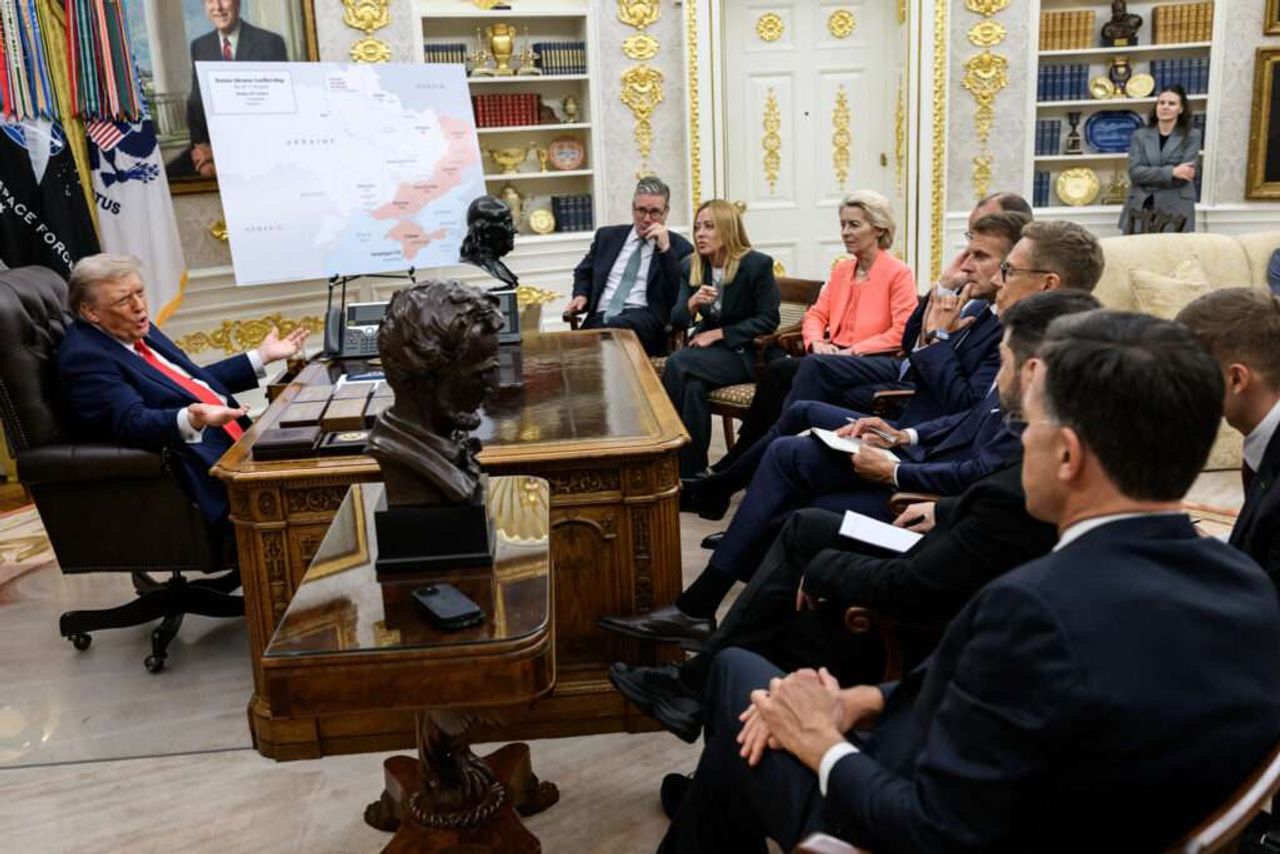
Washington's warning of Europe's potential "civilizational erasure" has further strained transatlantic relations, prompting the 27-member bloc to reconsider its partnerships, including with the UK, a major European economy with nuclear capabilities and extensive global financial ties.
If the UK rejoins the EU, “the strategic gain would be significant”, Babacan tells TRT World.
“Britain would bring back in a military and nuclear power capability, a global financial centre, deep capital markets and some additional diplomatic reach, which also fits Europe’s new defence push in the Trump era as well as reindustrialisation efforts on both sides.”
Some studies suggest potential trade gains of roughly $32.9bn for the UK and $29.7bn for the EU, benefiting both sides.
EU accession negotiations are complex and can take years, depending on a candidate country's economic and political circumstances, its alignment with EU requirements, and existing members' willingness to approve its entry.
The process has also drawn criticism over perceived inconsistencies in how Brussels treats different applicants.
Some European politicians, however, believe Britain's previous membership could speed up the process considerably.
“As a former member, and with much of the regulatory framework already in place, I personally do not see any serious reason why an application from the UK would not be achievable within one parliament,” said Sandro Gozi, chair of the European Parliament's Delegation to the EU-UK Parliamentary Partnership Assembly.
Yet Brexit's political divisions could complicate any attempt at reunification.
“The main fear is a UK that rejoins and later leaves again, which is why the EU has inserted a ‘Farage clause’ (an informal term used by the EU diplomats to describe a proposed financial penalty or termination provision in draft EU-UK Brexit reset negotiations) into the reset deal,” says Babacan.
Beyond concerns about the durability of any future agreement, Britain would also face potentially less favourable membership conditions than those it enjoyed before Brexit.
Under any circumstances, the UK's terms for rejoining the EU “would be worse than before: no rebate, no opt-outs, and a commitment in principle to adopt the euro eventually” because the EU will not allow “cherry-picking” this time, says Babacan.