 Noureldein Ghanem
Washington, DC — Immediately after US President Donald Trump announced on Monday that Russia and Ukraine had agreed to halt strikes on each other's energy targets — which he claimed were causing a global diesel squeeze — reactions from Moscow and Kiev were swift but measured.
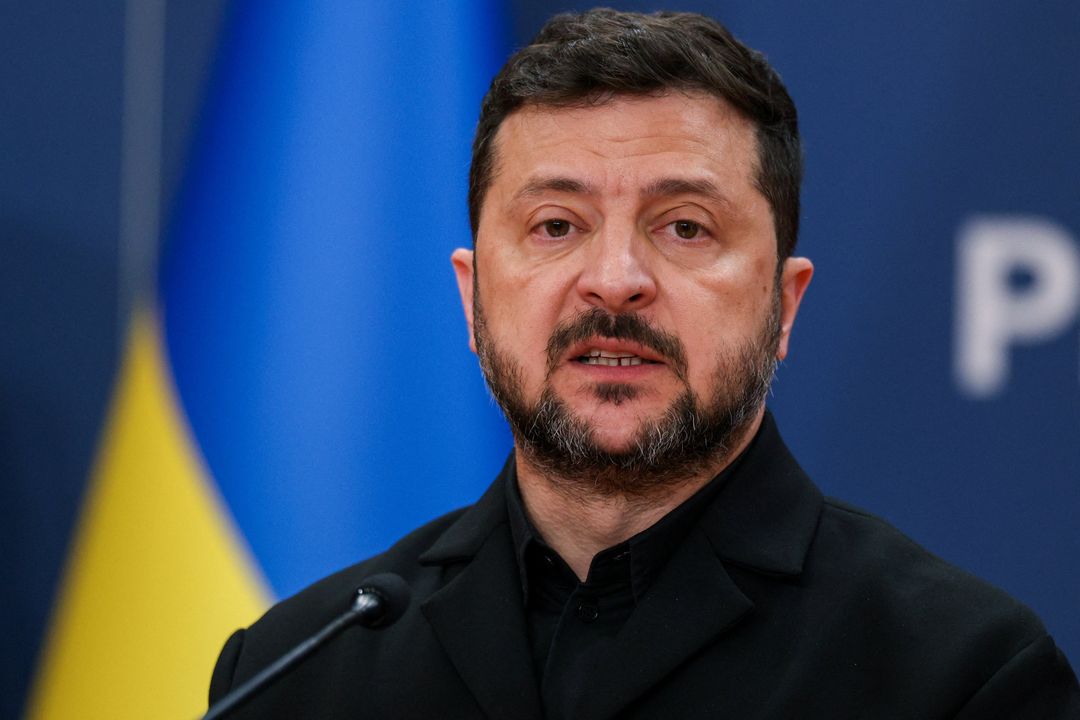
Russia described the proposal as a "good idea", without confirming whether it would halt attacks on Ukrainian energy facilities. Kiev pledged "de-escalatory steps" provided that "our American partners succeed in securing a real readiness from Russia".
Both sides continued to exchange strikes following Trump's announcement, with Russia reportedly attacking petrol stations in Kiev and Ukraine claiming to have struck a Russian oil refinery.
With global oil prices climbing again amid shipping disruptions in the Strait of Hormuz and growing risks in the Red Sea, analysts note the US president's announcement is driven more by the oil shock from the fighting in the Middle East than by anything else.
"Yes. This is Trump's motivation," Arkady Moshes, director of the EU's Eastern Neighbourhood and Russia programme at the Finnish Institute of International Affair, tells TRT World.
"But this will have little bearing on Moscow which gains financially from the high energy prices," Moshes argues.
Trump insists that the Russia-Ukraine war and not the US war on Iran, is driving up fuel costs for Americans who vote in crucial midterm elections in November. Opinion polls indicate that the US war on Iran is unpopular. Meanwhile, inflation in the country remains elevated — and the Democratic Party is seeking to capitalise on politically.
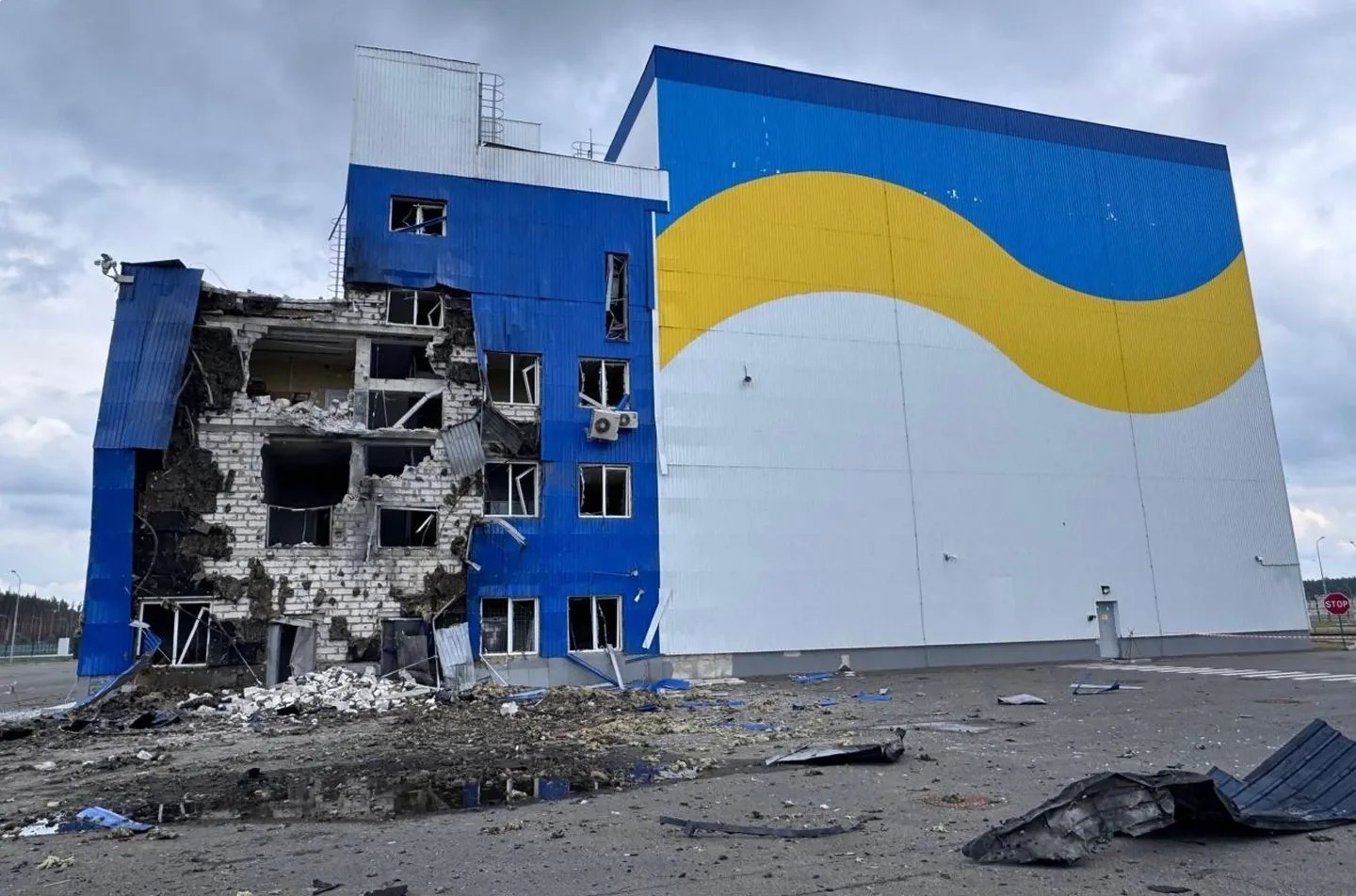
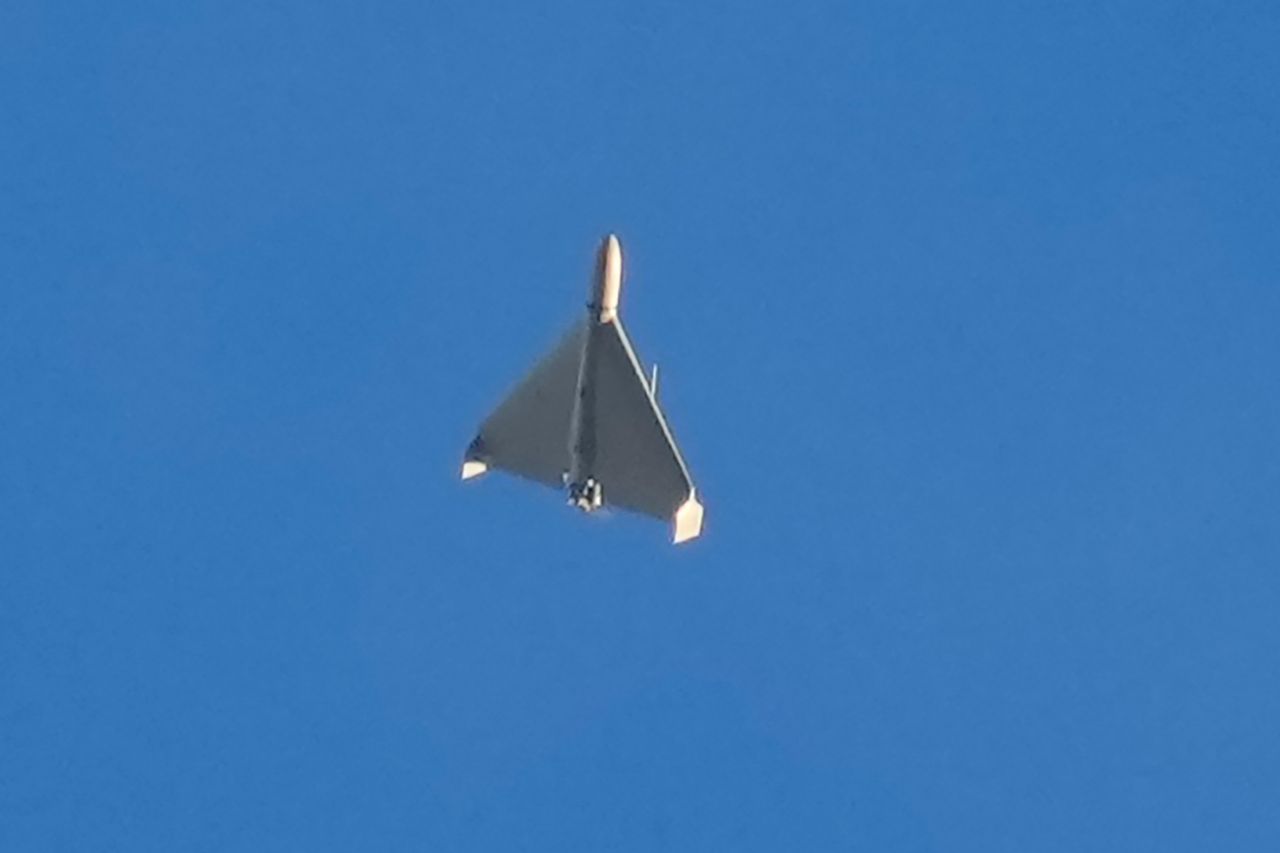
Months of Ukrainian strikes on Russian energy infrastructure have caused domestic fuel rationing and an export ban, further tightening global markets already strained by disruptions in the Strait of Hormuz.
Meanwhile, attacks by the Houthi group near the Bab al Mandab Strait have jeopardised commercial shipping in the southern Red Sea, further exacerbating global oil supply pressures.
However President Trump has claimed that Kiev was "hurting the world" with its strikes on Moscow's diesel facilities.
"The World's Diesel price rise is mostly caused by the Russia/Ukraine War, not Iran," Trump said on Monday as he announced an agreement between Ukraine and Russia to halt strikes on energy infrastructure.
When it comes to the Ukraine-Russia conflict, says Moshes, President Trump's statements "do not correspond to reality."
"But even if this were true, this would be one step down the escalation ladder," he says, but adds the situation would still be nowhere near a lasting truce, noting that since 2014 not a single ceasefire agreement has held even for several days.
Fuel supply crunch
Past US-brokered energy pauses have seen limited success: one in January 2026 lasted only a few days, while another 30-day proposal in 2025 never fully materialised. Reports indicate that Russia remains reluctant to ease winter pressure on Ukraine.
US average retail diesel prices rose above $6 a gallon for the first time last week. Russia has restricted diesel exports after Ukrainian drone strikes damaged its refineries, tightening an already strained global supply that has been squeezed by the war with Iran and recent attacks on Saudi energy infrastructure.
Experts cited by The New York Times say tensions involving Iran drove price rises, with US diesel up 65 per cent, while Russian and Middle Eastern exports fell by roughly 90 and 75 per cent.
An analysis by the Reuters news agency concluded that even a sustained halt to attacks on Russian oil refineries would not promptly reverse the ongoing fuel supply crunch.
According to the International Energy Agency, Ukrainian drones have struck a Russian refinery on average every three days, with repair efforts facing severe logistical obstacles.
Rachel Ziemba, adjunct senior fellow at the Center for a New American Security, a Washington-based think tank, told Bloomberg that "the thought here is that a stop in attacking refineries would give Russia time to repair and reduce risk of further outages."
"But if Gulf channels are still blocked it won't help much."
October talks
Trump has been pursuing an end to the Russia-Ukraine war, despite his pledge to halt the conflict on the first day of his term.


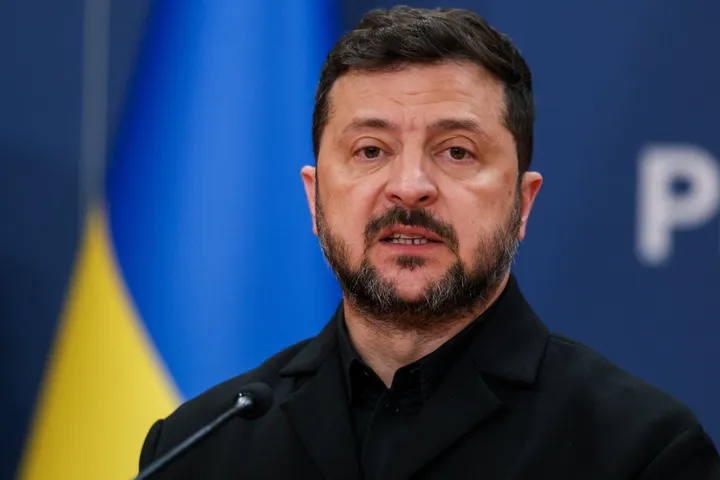



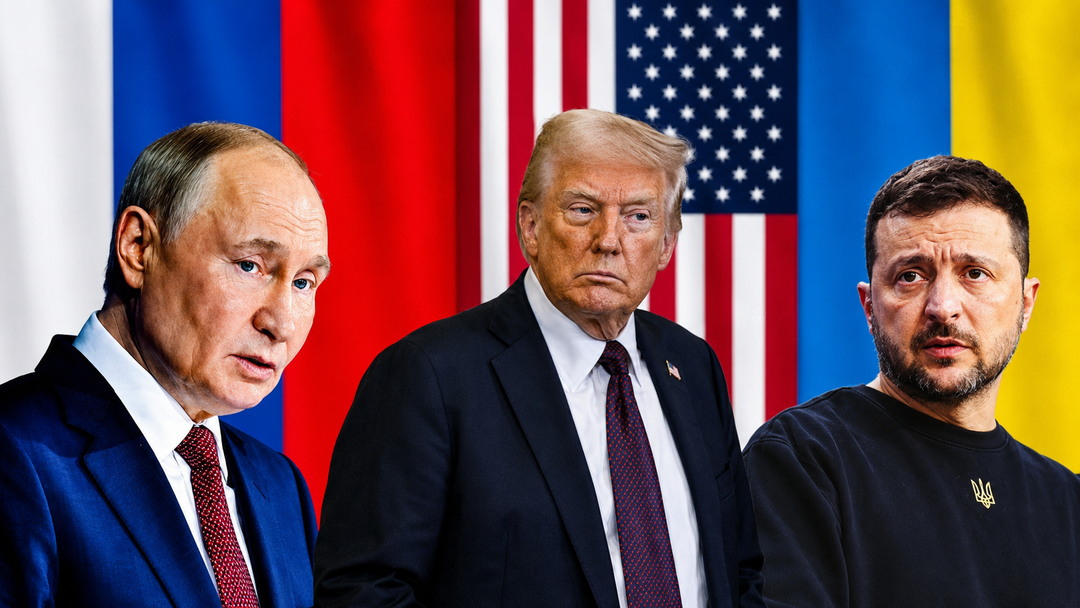
Recently, his special envoys, Steve Witkoff and Jared Kushner, met Russian President Vladimir Putin and later Ukrainian President Volodymyr Zelenskyy, but the talks yielded no breakthrough.
The Kremlin described the talks positively, while US officials assessed potential next steps. However, fundamental territorial disputes remain unresolved.
Zelenskyy said US officials presented "decent ideas" for peace, emphasising that diplomatic efforts must deliver tangible results to end the war, now in its fifth year.
Mikhail Alexseev, a political science professor at San Diego State University, tells TRT World that Washington's failure to designate Russia as the "aggressor", expand support for Ukraine, and impose further sanctions on Moscow makes this diplomacy unlikely to succeed.
"Absent those conditions, no diplomacy would succeed, and only the battlefield would decide the war," argues Alexseev, adding, continuing the talks merely for the sake of it may be interpreted by Moscow as a sign of weakness from Washington and its allies.
Moscow insists that Kiev cede claimed territories, particularly in the Donbass, and abandon its ambition to join NATO.
Meanwhile, Kiev rejects formally surrendering territory to Russia and insists that any settlement must safeguard Ukraine's sovereignty and defensive capabilities.
Even as the war continues, both sides have signalled their readiness for US-mediated talks tentatively set for October 2026.
"We are preparing for October," said Kyrylo Budanov, head of Ukraine's Defence Intelligence, last week. "We do not rule out such a possibility. We are talking about the foreseeable future," Kremlin spokesperson Dmitry Peskov added.
However, a diplomatic breakthrough remains unlikely without a significant shift in strategic leverage.
Europe and US role
Then there is Europe.
In peace negotiations, Moscow does not regard Europe as an autonomous player, believing European involvement would only complicate the process.
Trump — for better or worse — appears to share that perspective, says Moshes of the Finnish Institute of International Affair.
"He [Trump] has achieved what was important for him — Europe paying for American weapons delivered to Ukraine. Europeans may not be happy, but they can hardly do anything about it," argues Moshes.
"The imminent risk is that no one will drive the process: Russia will veto European involvement, whereas Washington may withdraw once more."
Europe remains vital to Ukraine, and vice versa, but alignment between the US and Europe on the conflict is critical. Any strategic divergence between the Western allies ultimately benefits Moscow.
From a European vantage point, security guarantees and mutual trust are paramount to prevent any disadvantageous agreement from being imposed upon Ukraine.
"We already saw this kind of understanding most likely reached at the Alaska summit, and subsequent events demonstrated that Ukrainian resilience combined with European support provides Ukraine with significant safeguards," says Alexseev.
Another indirect safeguard lies in the White House's transactional approach to foreign policy, with the procurement of American armaments serving as an influential incentive, he adds.
Moshes emphasises that confidence in Washington as an impartial mediator has waned over time.
He says Kiev remains wary of potential US-Russia economic compromises, while Moscow expressed dissatisfaction following the Anchorage summit when Washington declined to endorse terms reflecting Russian priorities.
"That occurred prior to the US-Iranian conflict, which continues to consume significant military and diplomatic resources of the United States."