 Murat Sofuoglu
Since 2022, conflicts stretching from Eastern Europe to Gaza and the Strait of Hormuz have begun to form an increasingly interconnected arc of instability.
What once appeared as separate crises, from the Russia-Ukraine war to escalating hostilities involving Israel, the United States, and Iran, is now showing signs of convergence into a wider geopolitical confrontation.
Experts warn that the outbreak of war involving Iran could push these tensions into a more dangerous phase, particularly as Moscow and Tehran deepen their military, political, and economic cooperation, raising concerns that developments in Ukraine and the Middle East may increasingly influence one another.
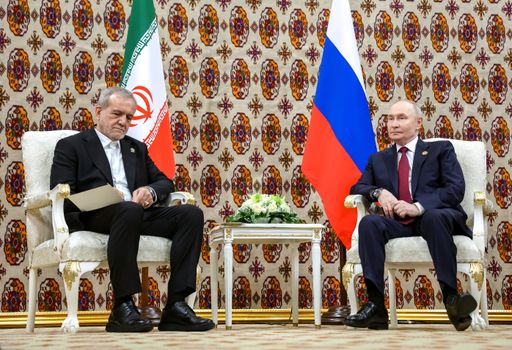
“The Russo-Ukrainian war should be considered in the context of a wider conflict opposing Russia, China and their proxies versus the Western world. The same applies to the US and Israel's war against Iran,” Denys Kolesnyk, a Paris-based political analyst, tells TRT World.
“The Iranians were helping the Russians in their war against Ukraine, the Russians are providing support to the Iranians, while the Ukrainians proposed to help the Gulf states with anti-drone technology and expertise. Therefore, the two conflicts can be considered as intertwined,” Kolesnyk says.
Moscow needs to support Iran because both are seen as part of the same anti-Western alignment opposing US dominance, the analyst says, who also serves as president of the MENA Research Centre.
However, he adds that Russia remains heavily preoccupied with the war in Ukraine and has little interest in significantly expanding Iran’s military capabilities, describing the Kremlin’s support to Tehran as “very limited.”
Other experts also view the West-versus-others dynamic as a key element in both conflicts.
They note that the rhetoric of some Iran war supporters, from US Defence Secretary Pete Hegseth to Republican Senator Lindsey Graham and House Speaker Mike Johnson, has included religious references to justify their stance on Iran.
“The Iran war has opened a new front also for the Russia-Ukraine war. It seems like the war of the West against the anti-Western world,” Mohammed Eslami, a political scientist at European University Institute, tells TRT World.
Eslami also describes the current conflict as “the War of Ramadan” due to the timing of Israel-US strikes on Iran, which coincided with the start of the Muslim holy month, signalling that it has an ideological dimension as much as its connection with Eurasian geopolitics.

But he also points out that Russia’s political and security ties with Israel prevent Moscow from full engagement in the Iran war.
“Not to mention that in case of Russia’s supply of advanced weapons to Iran, Israel also can supply to Ukraine and make Russia suffer more from the war,” Eslami says.
Russia, which has strong economic ties with Gulf countries, might also jeopardise its relationships with them if it becomes heavily affiliated with Iran, which has targeted oil-rich Arab states with US bases, according to experts.
However, Nikolay Mitrokhin, a researcher at the University of Bremen, says that Moscow’s support for Iran might not be limited to specific areas, offering specialists to Tehran for its nuclear programme as well as “conventional” weapons.
“There will undoubtedly be technological cooperation in the fields of missiles (especially ballistic missiles) and drones, and it is quite likely that there will be supplies of materials and even finished products,” Mitrokhin tells TRT World.
“This includes the same drones that have been modernized in Russia, the production of which has now reached mass scale.”
‘Two-way cooperation’
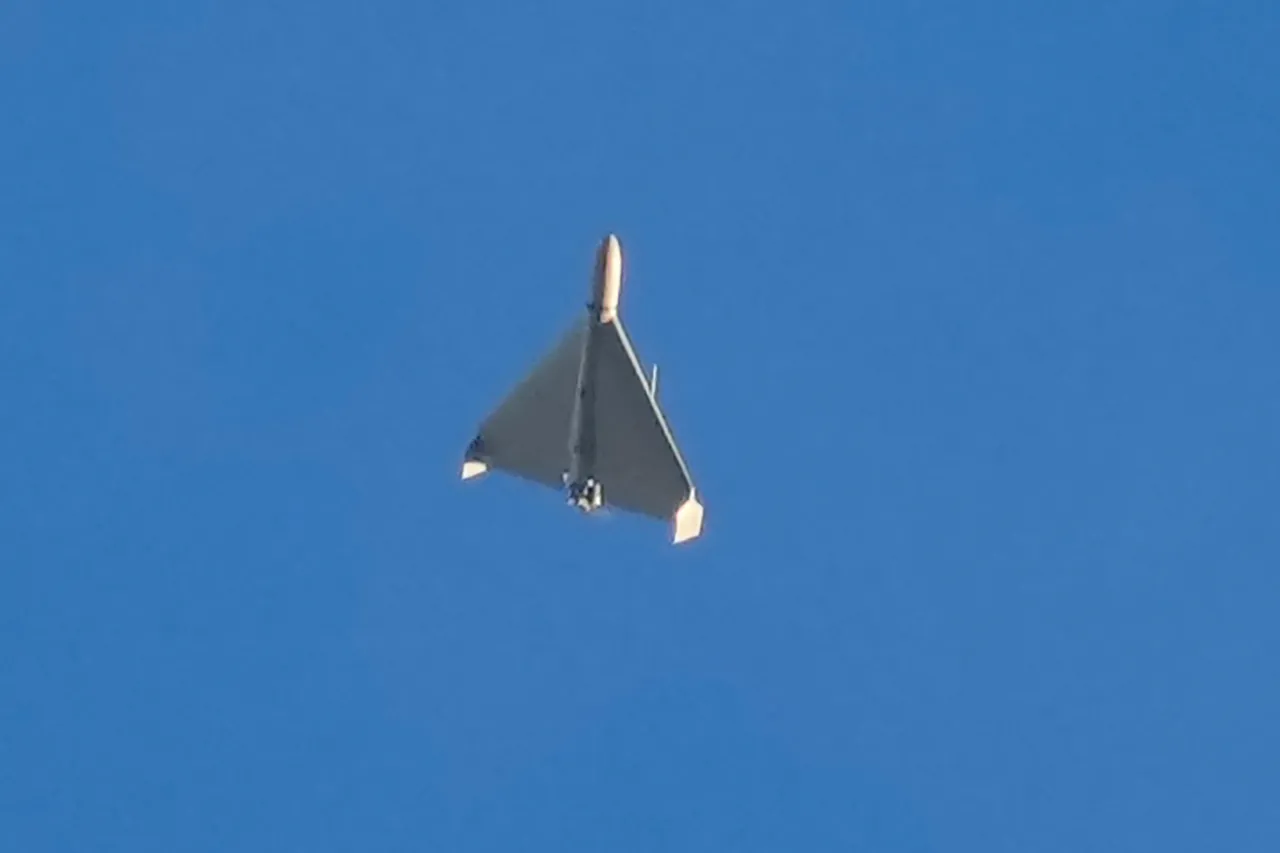
During the Ukraine conflict, while the US and its Western allies have supplied arms to Kiev, Iran reportedly supported Russia by delivering its Iranian Shahed 136 drones, which Moscow has used to target Ukrainian sites.
On the other hand, since the start of the Iran war, Moscow has reportedly helped Tehran target US bases and military assets by providing satellite imagery and intelligence along with other means, according to analysts and officials.
"We see that Russia is helping Iran with intelligence to target Americans, to kill Americans, and Russia is also supporting Iran now with the drones so that they can attack neighbouring countries and also US military bases," EU High Representative Kaja Kallas said last week.
"These wars are very much interlinked,” she added, urging the US not to lose its focus on the Ukraine war as it engages in the Iran conflict.


Other top Western officials also share Kallas's thinking.
It’s a "two-way cooperation", said France's Foreign Minister Jean-Noël Barrot to describe the relationship between Russia and Iran, adding that Russia is “supporting Iran's military efforts.”
UK Prime Minister Keir Starmer also drew attention to the fact that both wars are equally important because “how they [the wars] end and on what terms could well define us for a generation”.
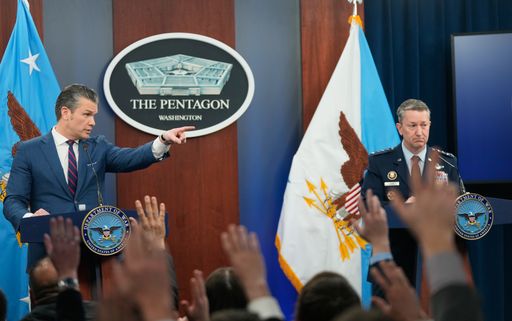
But can the US concentrate on both the Ukraine and Iran conflicts to defend its allies, particularly Israel?
“The United States must allocate its resources (such as intelligence and satellite capabilities) and ammunition stocks—particularly missiles—between the two theaters of operations, while also factoring in the possibility of military action in Taiwan,” Mitrokhin says.
“This poses a challenge for the US military and prevents it from concentrating as many resources against Iran as would be necessary to conduct a large-scale military operation.”
Losing focus and engaging in too many conflicts from Taiwan to the Gulf and Eastern Europe could become a US vulnerability that an opportunistic Moscow might exploit in its future strategy, according to Kolesnyk.
When Russia sees a possibility to act, it acts, but the Kremlin also considers the bigger picture, Kolesnyk says.
“While providing limited help below the threshold of direct involvement in the (Iran) conflict, it hopes to see the US become more deeply engaged there, with Ukraine falling out of priority in terms of arms deliveries,” he adds.
“Moscow may hope for further fractures within the West to emerge with regard to the war in Iran, while expecting an oil price hike to enable Russia to persist in its strategy of waging war against Ukraine until the West gives up and withdraws practical support.”
Experts have argued that the Iran war benefits the Kremlin both politically and financially, as the US reversed its sanctions policy against Moscow, allowing countries to buy Russian oil in an effort to reduce oil prices.
Zelenskyy’s Middle East tour
In a response to growing Moscow-Tehran cooperation, Ukrainian President Volodymyr Zelenskyy, widely believed to be a pro-Israeli politician with Jewish roots, has recently met several Middle Eastern leaders from Jordan to Gulf states, including Saudi Arabia, Qatar, the UAE and Kuwait, which have been targeted by Iranian drones and missiles.
During his visit, Zelenskyy sought to strengthen military ties with energy-rich Arab countries, signing defence pacts with both Riyadh and Doha, which have shown growing interest in Ukrainian air defence expertise against drones and missiles.
“Ukraine is being attacked with essentially the same strike drones as those used against countries in the Middle East and the Gulf region,” Zelenskyy said in a social-media post Sunday, in an apparent reference to Iranian drones. “We must unite our capabilities so that people can live in peace in Europe, the Middle East, and other parts of the world.”
In another sign of how the two conflicts from Ukraine to Iran have been increasingly interlinked, Zelenskyy said that Kiev decided to send 200 military experts to help Gulf countries and other Arab states defend themselves against Iranian drone and missile salvos.
“In addition to helping its military and political allies defend themselves, Ukraine expects to make significant profits from the sale of its air defence systems (interceptor drones) and from Gulf countries’ investments in its defence industry and technological development,” Mitrokhin says.
Despite increasing ties with Gulf states, Ukraine will have a limited participation in the Iran war.
“Ukraine has been waging a defensive war on its soil for four years already and has neither the interest nor the resources to get involved in somebody else's wars. But given that Ukraine receives Western support, Zelenskyy's declarations are expected,” Kolesnyk says.
“Ukraine will not formally join either side, but will lend its support symbolically and even functionally, especially given its experience in fighting Iranian drones. By bringing this help to the Gulf states, Kiev may also be expecting Gulf leaders to become more engaged in supporting Ukraine, particularly with regard to funding defence enterprises and creating joint ventures.”