 Murat Sofuoglu
Western policymakers and strategists have long claimed that increasing sanctions against energy-rich Russia would put sufficient economic pressure and force the Kremlin to reach a negotiated settlement to end the war in Ukraine.
But four years since Russian tanks rolled into Ukraine, the heavily-sanctioned country shows no signs of backing off: its economy is doing well and its war machine is moving on. But most importantly, Russia can still sell its energy products to China, the largest buyer of Russian oil, and to other major energy consumers like India.
In sharp contrast, the US and Europe have started feeling the pinch of the Iran war after just over a fortnight, with oil and gas prices spiking after Iran effectively closed the Strait of Hormuz, a critical waterway accounting for 20 percent of the world’s oil flow.
Iran, a large oil producer, has not only closed down the Strait of Hormuz but also targeted Gulf countries, disrupting oil production and energy exports from Arab countries, which have further strained global oil stocks and impacted countries from Bangladesh to Western Europe.
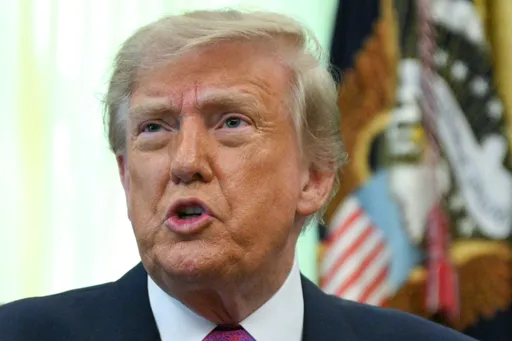
Under increasing economic pressure from the global energy disruption, the US has reversed its course against Moscow, allowing countries to buy sanctioned Russian oil stranded at sea until April 11, signalling a growing American political weakness.
Analysts say that the volte face has demonstrated that the Iran war has not benefited the Trump administration as much as it has helped Russia.
“So far, Russia has been one of the greatest beneficiaries of the (Iran) war, both in terms of rising revenues from its oil exports but also the fact that economic and sanctions pressure from the US has been eased to a degree,” says Eugene Chausovsky, a defence expert and a senior director on analytical development and training at the New Lines Institute, Washington DC.
Chausovsky cautions that while oil price spikes – which will likely continue as long as the Strait of Hormuz remains blocked – have helped the Russian economy and its war on Ukraine, Moscow’s advantageous position will “ultimately be dependent on the duration and the outcome” of the ongoing Middle East war.
US geopolitical decline
Some experts say that while one-month sanctions relief by itself cannot be seen as a significant break from the Western sanctions regime against Russia, the recent US sanctions decision shows the limits of American power, with geopolitical implications favouring Moscow.
“A country like Russia does not fight a years-long war to obtain a month's worth of sanctions release, and only for petroleum products,” says Ecaterina Matoi, a Bucharest-based political analyst.
While the sanctions relief aims to stabilise oil prices, its geopolitical message is more significant: it says that the US can not carry the global economic burden, she says.
“Despite the decimation of Iranian leadership through American and Israeli bombing campaigns, the closure of the Strait turns out to be a major problem. In approving Russian temporary deliveries, the US admitted the gravity of this situation and acted to ease the stress some of its partners face,” Matoi tells TRT World.
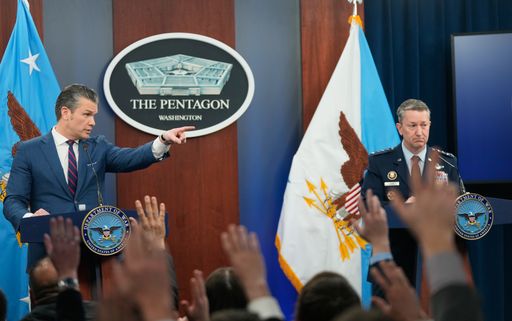
Trump’s move also shows that the US prioritises its Asian partners like India over Europeans who face an “energy dilemma” due to Russian sanctions, according to Matoi.
But Trump’s growing estrangement from Western allies is not lost on Europeans, as the sanctions-relief move frustrated both Ukrainians and their partners across the continent.
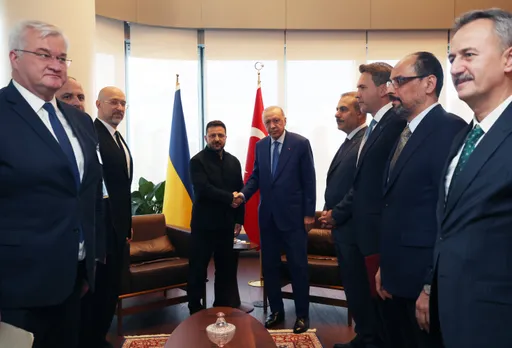
“This one concession alone by the US could give Russia about $10bn for the war. This certainly does not help peace,” said Ukrainian President Volodymyr Zelenskyy during a meeting with French President Emmanuel Macron, who also expressed his displeasure with the US sanctions relief.
British and German leaders, alongside the President of the European Council, have also criticised Trump’s sanctions move, saying that the Iran war should be no excuse to relieve pressure on Russia.
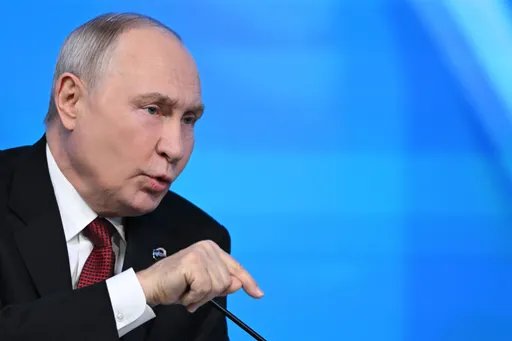
“Many countries will see the US sanctions relief to Russia as bad brinkmanship, asking themselves ‘why should we abide by these sanctions even if the US does not care about them much’,” Sergei Markov, a Russian academic and a former advisor to Putin, tells TRT World.
Last week, the US Department of Energy (DOE) announced that it will release 172 million barrels of oil from the Strategic Petroleum Reserve (SPR), which marked the largest release of stockpiled oil in the 50-year history of the International Energy Agency (IEA), a global forum aiming to prevent oil disruptions across the world.
The unprecedented release amounts to one-tenth of the IEA’s total emergency oil reserves, which is another sign of American geopolitical problems.
Russia reaps benefits
While the Trump administration’s decision to provide sanctions relief to Moscow will have a limited impact on the Russian economy, its psychological payoff matters to the Kremlin, which the West has long sought to isolate in the international arena, experts say.
“Russian oil companies and the Russian budget are definitely benefiting. Russia is also trying to regain its reputation as a reliable supplier of energy resources to the international market,” Oleg Ignatov, an expert on Russian politics at International Crisis Group, tells TRT World.
“It all depends on how long the strait will be blocked and what damage will be done to the region's energy infrastructure. Time is the key factor here. The longer it lasts, the more Russia profits,” adds Ignatov.
Trump’s move will increase global demand for Russian oil, which will help Moscow finance its war on Ukraine, according to Markov. Under intensifying global demand for oil and emboldened by Trump’s sanctions relief, a more confident Russia will sell its oil without any discounts, making the country richer, says Markov.
Under the economic pressure of the Iran war, big energy customers like China and India might also feel they cannot rely on the Gulf, moving toward an economic course of signing long-term energy agreements with Moscow, adds the Russian analyst.
While some see Trump’s sanctions relief as another sign of Western division on how to support Kiev against Moscow, Ignatov says that the current US administration differs from Europeans on the Ukraine war, as it believes that sanctions against Putin’s state have “pretty much reached their limit” and a diplomatic solution is a better path.

The Trump administration doesn't believe that “sanctions can change Russia's behaviour,” says Ignatov, emphasising that sanctions relief for now is limited to one month.
“Asian countries would find a way to circumvent the sanctions to buy Russian oil if they wanted to,” the analyst adds.
Prior to the sanctions relief for Moscow, the US granted a waiver allowing India, the world’s most populous country, to buy Russian oil. Notably, India’s Hindu nationalist Prime Minister Narendra Modi visited Israel several days before the joint Israeli-American attacks on Iran.
“Washington wants to reassure the markets and believes that oil prices will remain high for only a short time. Russia, by the way, also thinks so for now,” Ignatov says, referring to contested dynamics of the Iran war.
Boosting the Russian military
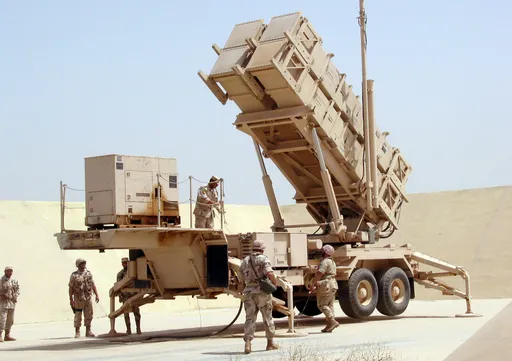
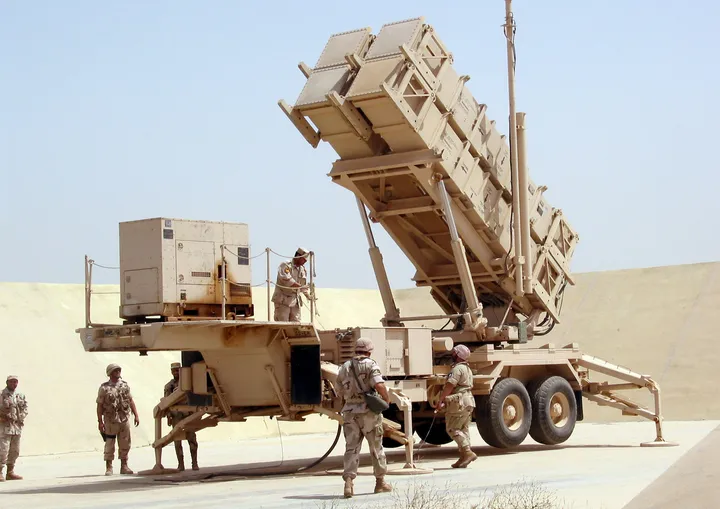
The Iran war will also make a significant impact on Ukrainian military supplies, from the Patriot air-defence system to long-range and short-range missiles, which have been provided to Kiev either directly by the US or through European states.
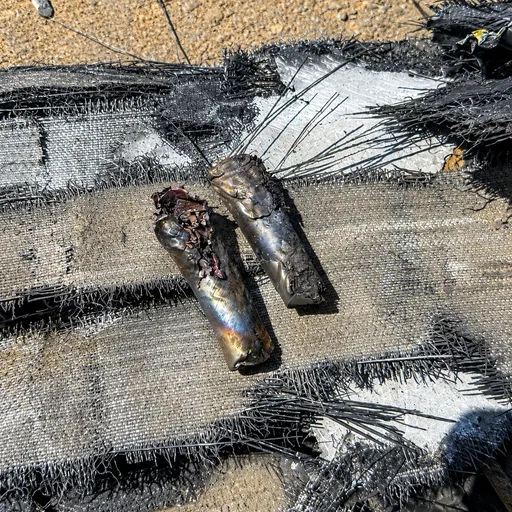
“We are burning PAC-3 Patriot missiles, which Ukrainians are begging for,” said John Mearsheimer, a leading American academic on international conflicts, referring to the extreme use of American air-defence systems to intercept Iranian missiles across Israel and Gulf territories targeted by Tehran’s long-range ballistic missiles.
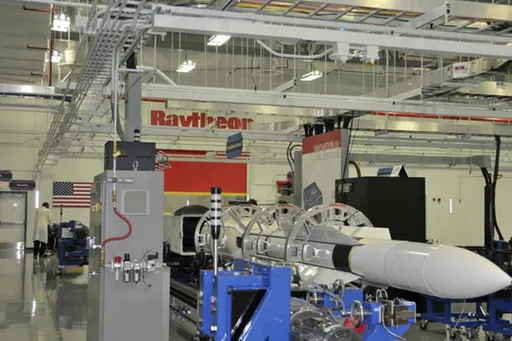
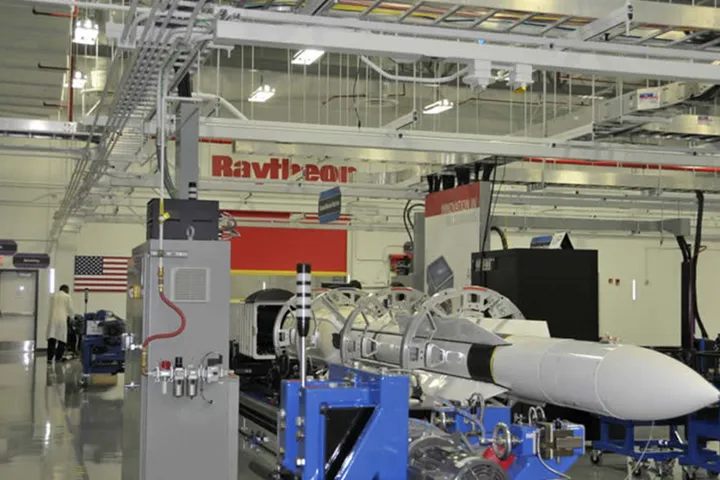
Due to the Iran war, the US is burning through large stockpiles of missiles and air-defence systems, which the country can not produce on short notice, as all signs signal a protracted war in the Gulf if a ceasefire has not been ensured by third-party states.
The US has no “military capacity” to supply the Ukrainian military with weapons it needs, says Markov. “The result will be that the Ukrainian army will be weaker due to the Iran war,” he says.
As Israel, the US and Iran continue to engage in tit-for-tat attacks across the Middle East, the war will also increase demand for Russian defence systems, says Markov, adding that Moscow’s air-defence - like its S-400s - is “probably the best in the world.”
In this sense, the war in Iran will also boost the Russian military-industrial complex, the analyst says.
In light of recent revelations that Russia might have shared intelligence with Iran in helping it target high-value US assets in the Middle East, the US might think twice in terms of its intelligence sharing with Kiev against Moscow, according to Markov.
This will also potentially decrease Ukrainian leverage against Russia, he adds.
‘No regime change’
At the beginning of the Ukraine war, when Russian forces failed to take over Kiev withdrawing from cities like Kharkiv with heavy losses, many Western officials and analysts were early pointing out that the Kremlin’s statecraft under Putin was going down.
Despite Western projections, Russia has endured its losses and has been able to make gains in eastern Ukraine since then. With the Iran war, prospects of any regime change in Moscow seem to be a far-fetched objective.
If the joint US-Israeli attacks can not facilitate a regime change in Tehran, which has been under Western sanctions since the 1979 revolution, how can the Western bloc imagine a regime change in Moscow, asks Markov.
It’s clear that US regime change efforts in Iran, which has its own unique political institutions embedded in a long history, are not successful currently, he says.
Then, it will be even more difficult to imagine a regime change in Russia, which also has a strong political and military presence across Eurasia for centuries, he adds.
“We’re not winning against Iran. We’re not winning. We’re sending a message that we’re a bunch of fools that we started a war we can’t win,” said Mearsheimer in his recent interview.
“We didn’t have the required military forces to achieve any of the objectives that we were floating, and we had no plan. What does this tell the Chinese and what does it tell the Russians?”
“It tells them that we are incompetent.”