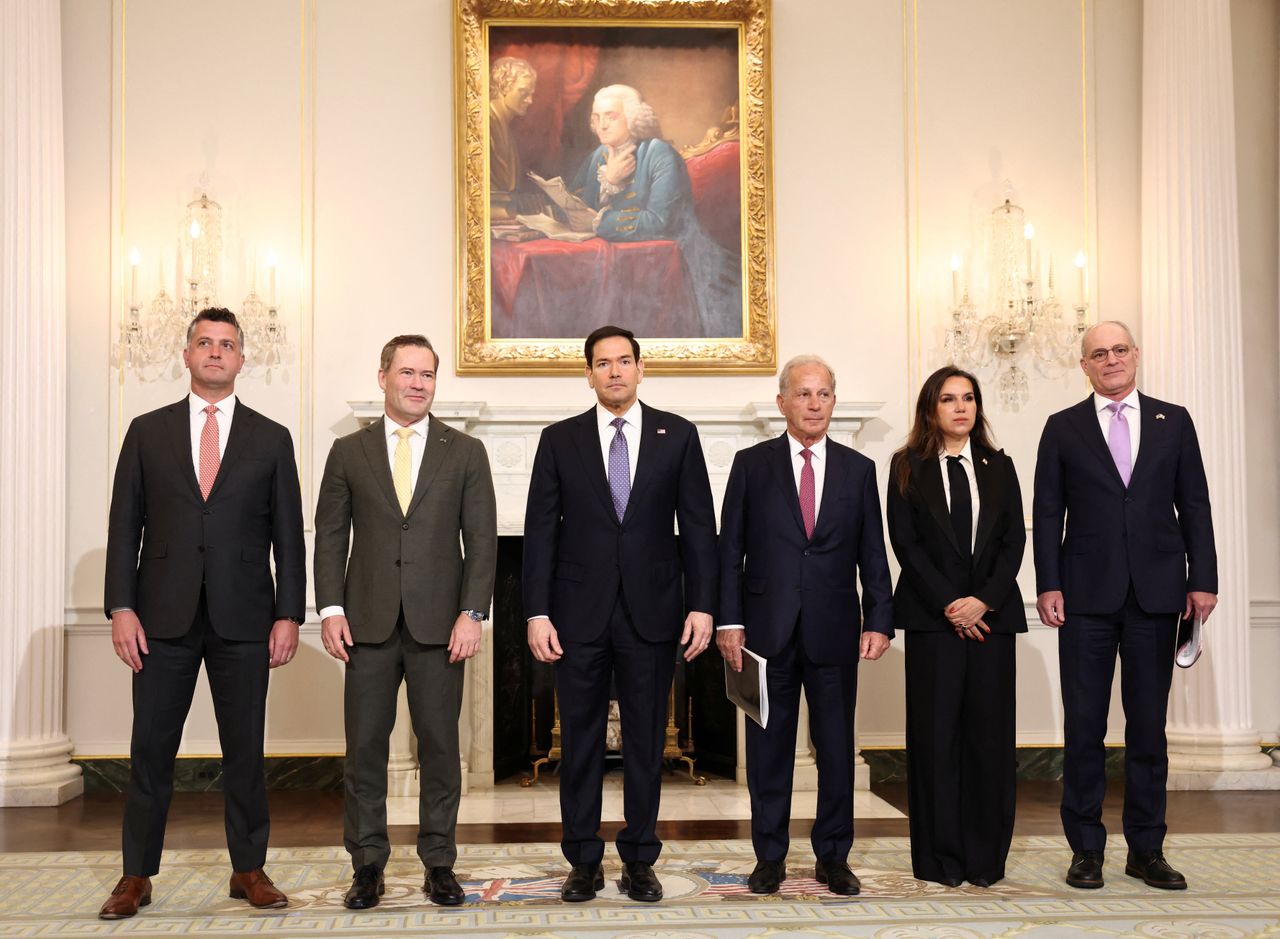
The United States is hosting the second round of direct talks between Lebanon and Israel in Washington.
The meeting on Thursday follows a meeting on April 14, which marked the first high-level direct engagement between the two countries since 1993.
Israel and Lebanon agreed to a truce on April 16 for an initial 10-day period to enable peace negotiations between the two countries.
The 10-day truce can be extended by mutual agreement as talks progress.
Who is talking?
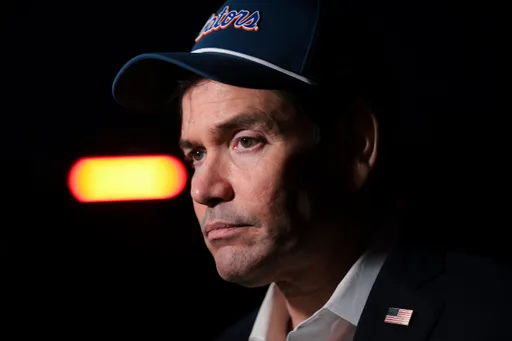
US Secretary of State Marco Rubio is facilitating the talks, with Israeli and Lebanese Ambassadors to US, Yechiel Leiter and Nada Hamadeh Moawad, leading their sides.
In the first round, US Ambassador to Lebanon Michel Issa, State Department Counsellor Michael Needham, and US Ambassador to the UN Mike Waltz also participated.
Talks amid Israeli violations
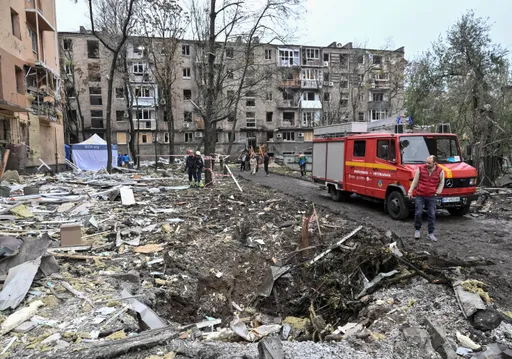
Three separate Israeli strikes have killed at least six people and wounded others in the last 24 hours, according to local authorities.
Israel killed prominent Lebanese journalist Amal Khalil on Wednesday.
Lebanon's Prime Minister Nawaf Salam said that Israel's targeting of journalists constitutes "war crimes", condemning what he described as a systematic pattern of attacks in southern Lebanon.
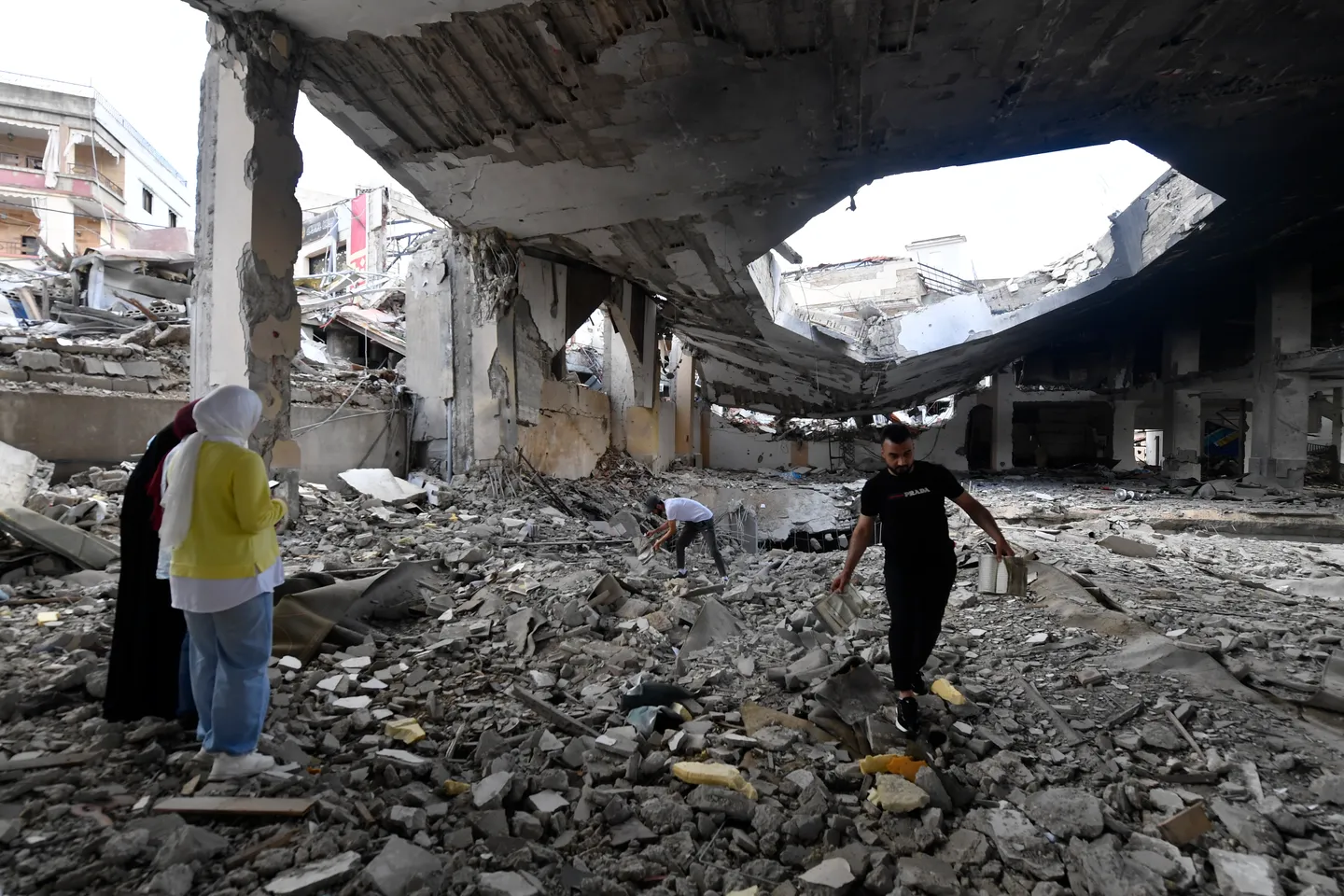
Israeli ceasefire violations have destroyed 428 housing units in southern Lebanon over the past three days, Lebanon’s National Council for Scientific Research said on Wednesday.
It added that during 46 days of Israeli assaults before the recent ceasefire, 17,756 housing units were destroyed, while 32,668 were damaged.
A Lebanese official said Beirut wants a ceasefire extension as a prerequisite for talks to expand beyond the ambassadorial level to the next phase, in which Lebanon would push for an Israeli withdrawal, the return of Lebanese detainees in Israel and a delineation of the land border.
What is Lebanon seeking?
Lebanon is reportedly seeking a ceasefire extension and a halt to Israeli demolitions in occupied southern villages.
The demolitions are happening on such a wide scale that residents, Lebanese officials and UN peacekeepers are increasingly worried that large numbers of people displaced by the latest war will have nowhere to return if the fragile truce holds.
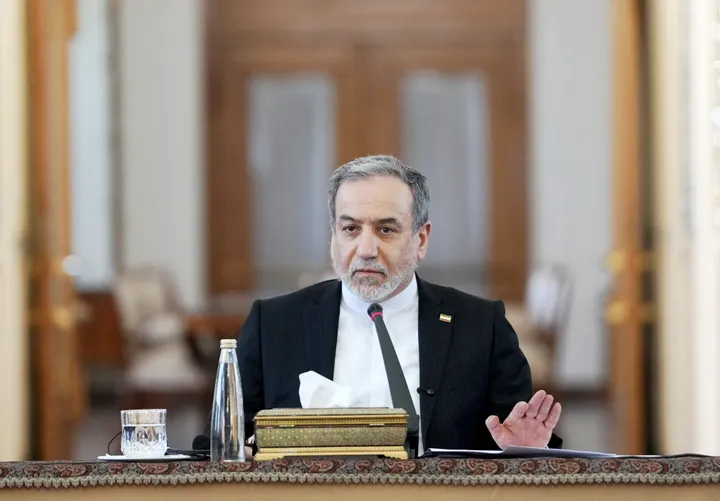
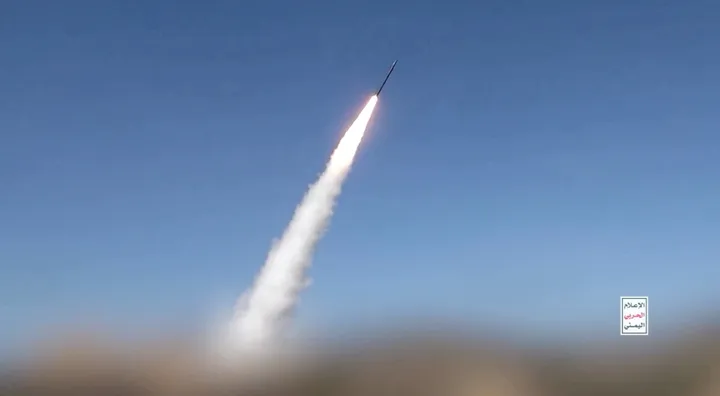




Hezbollah, which says the Lebanon ceasefire was the result of Iranian pressure, has condemned Beirut for seeking talks with Israel.
What is Israel seeking?
Israeli Foreign Minister Gideon Saar, in a speech on Wednesday, said Israel had taken a "historic decision to negotiate directly with Lebanon after more than 40 years" whilst also calling it a "failed state".
"Let's work together against Hezbollah in your territory," Saar said, addressing Lebanon.
Saar reiterated that Israel does not have any "serious disagreements" with Lebanon.
"The obstacle to peace and normalisation between the two countries is Hezbollah."
Under the truce terms, Israel says it reserves the right to act against "planned, imminent or ongoing attacks".
What happened before the truce?
Israeli strikes on Lebanon that started on March 2 killed more than 2,100 people and displaced more than one million.
Israel has also carried out a ground invasion in southern Lebanon.
Hezbollah and Israel resumed fighting following the killing of Iran’s then-Supreme Leader Ali Khamenei in an Israeli-US attack on February 28.
In 2024, Israel targeted Hezbollah leadership and killed its members by exploding rigged pagers and walkie-talkies.
Israel also killed Hezbollah’s long-time leader Hassan Nasrallah on September 27 of the same year.
The two sides had maintained an uneasy truce since November 2024.