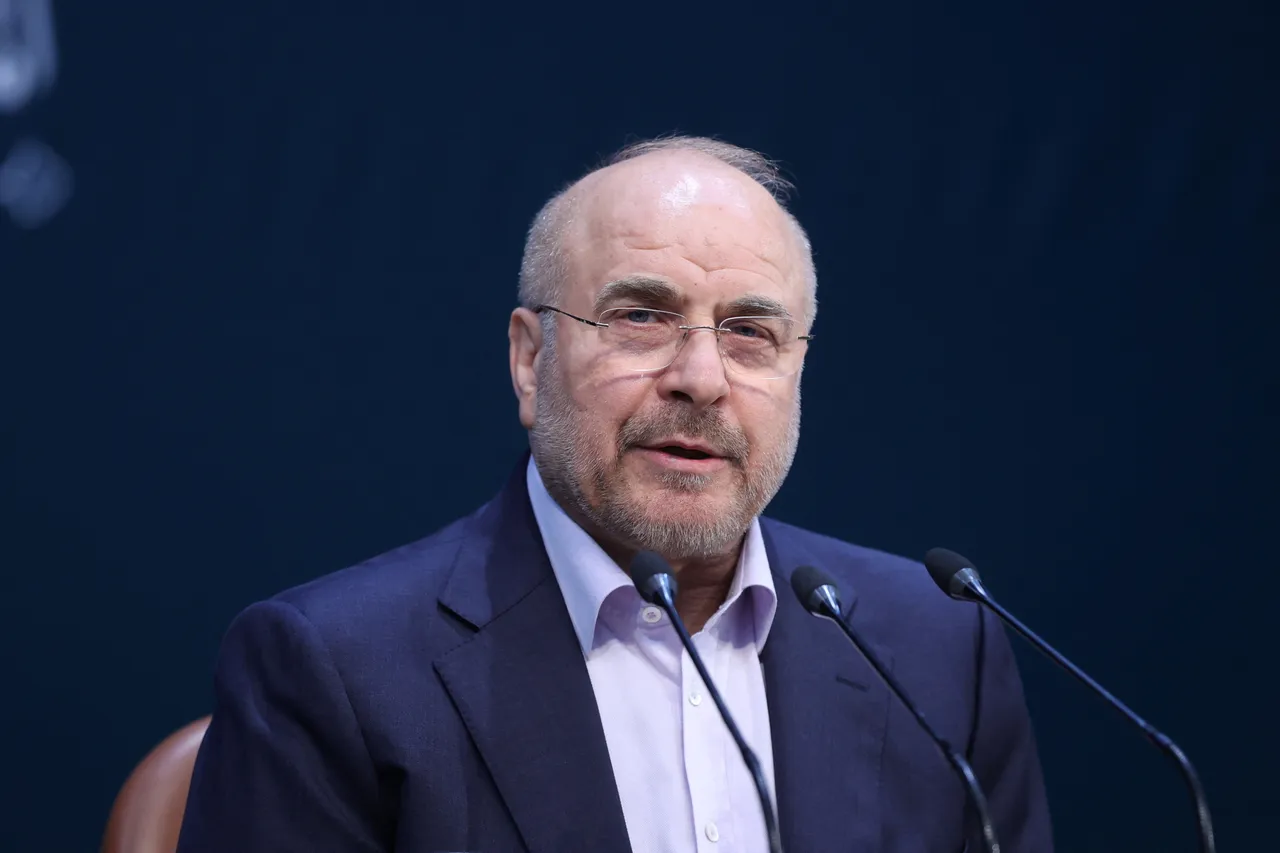
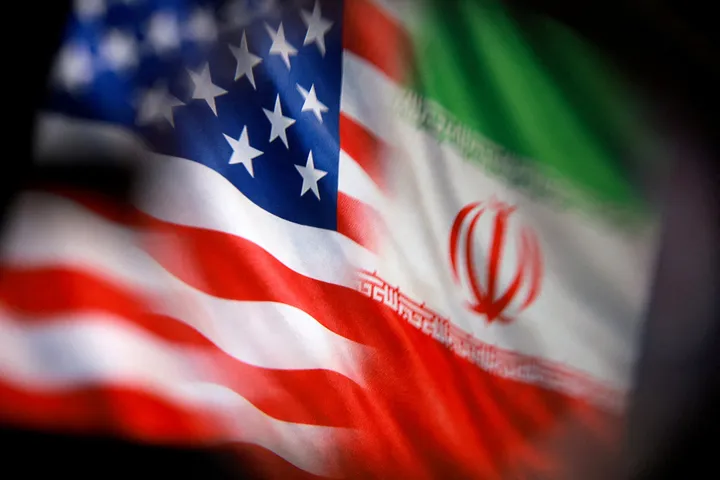
Iran's parliament speaker, who led peace talks with the United States in Pakistan, said Sunday that his country would not give in to threats after US President Donald Trump ordered a naval blockade of the strategic Strait of Hormuz.
"If they fight, we will fight, and if they come forward with logic, we will deal with logic. We will not bow to any threats; let them test our will once again so that we can teach them a bigger lesson," Mohammad Bagher Ghalibaf told reporters after returning to Tehran from Islamabad, several Iranian news agencies reported.
Ghalibaf said Tehran’s “very good initiatives” to demonstrate goodwill had led to progress in negotiations with the United States, according to Iranian state media, even as he dismissed fresh threats from US President Donald Trump as ineffective.
Ghalibaf said Iran had presented constructive proposals in the Islamabad talks, which he said helped move discussions forward despite deep mistrust between the two sides.
Responding to Trump’s latest warnings, Ghalibaf said such threats “have no effect on the Iranian nation", state media reported.
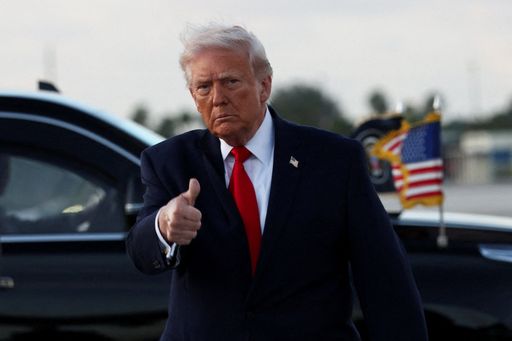
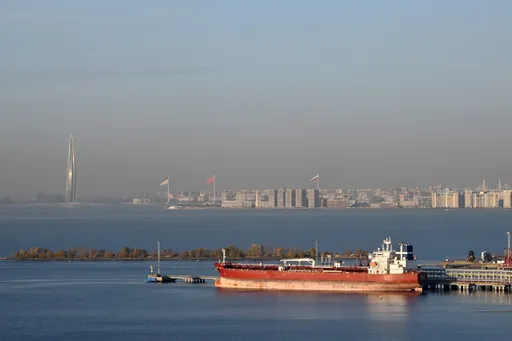
Earlier, Trump ordered a US naval blockade of the Strait of Hormuz in response to what he termed Iran's "unyielding" refusal to give up its nuclear ambitions during peace talks in Islamabad.
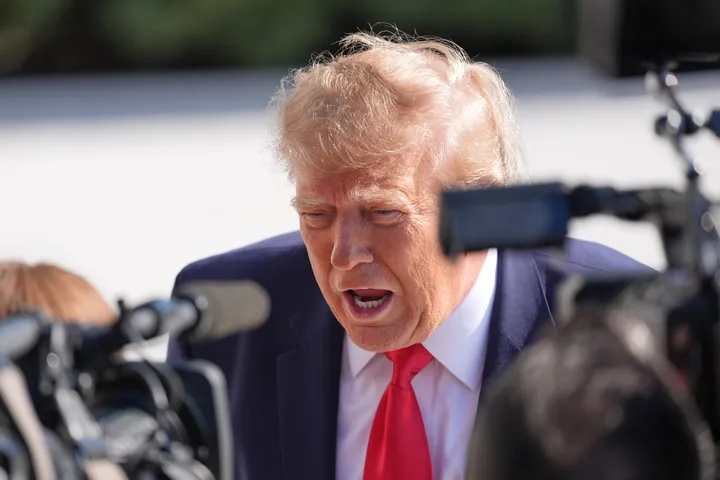


Trump said he had instructed the Navy to interdict any vessel in international waters that has paid a toll to Iran for passage through the Strait of Hormuz.
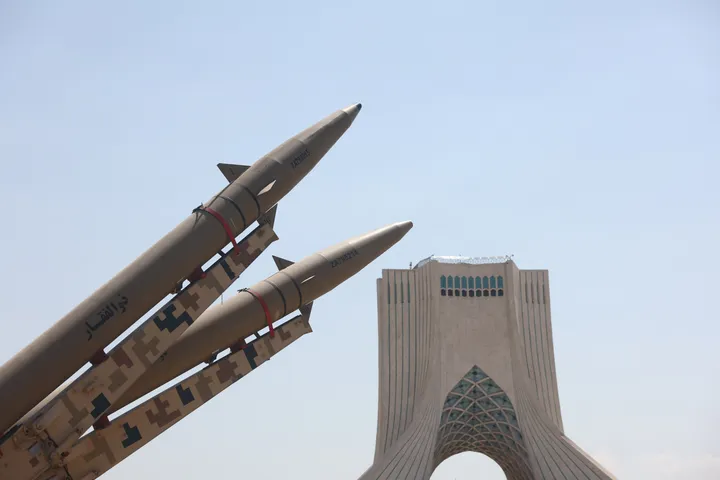
He also said US forces would begin destroying Iranian mines in the strategic waterway, warning that any Iranian who fired at US vessels or commercial shipping “will be blown to hell".
Iran and the United States failed to strike a deal in Islamabad, but there was no immediate return to hostilities, and world leaders quickly urged both sides to pursue the diplomatic route to peace.
Iranian and US reports said the two sides were unable to agree on who would control the Strait of Hormuz or on whether Tehran would have the right to enrich uranium under any deal.