 Noureldein Ghanem
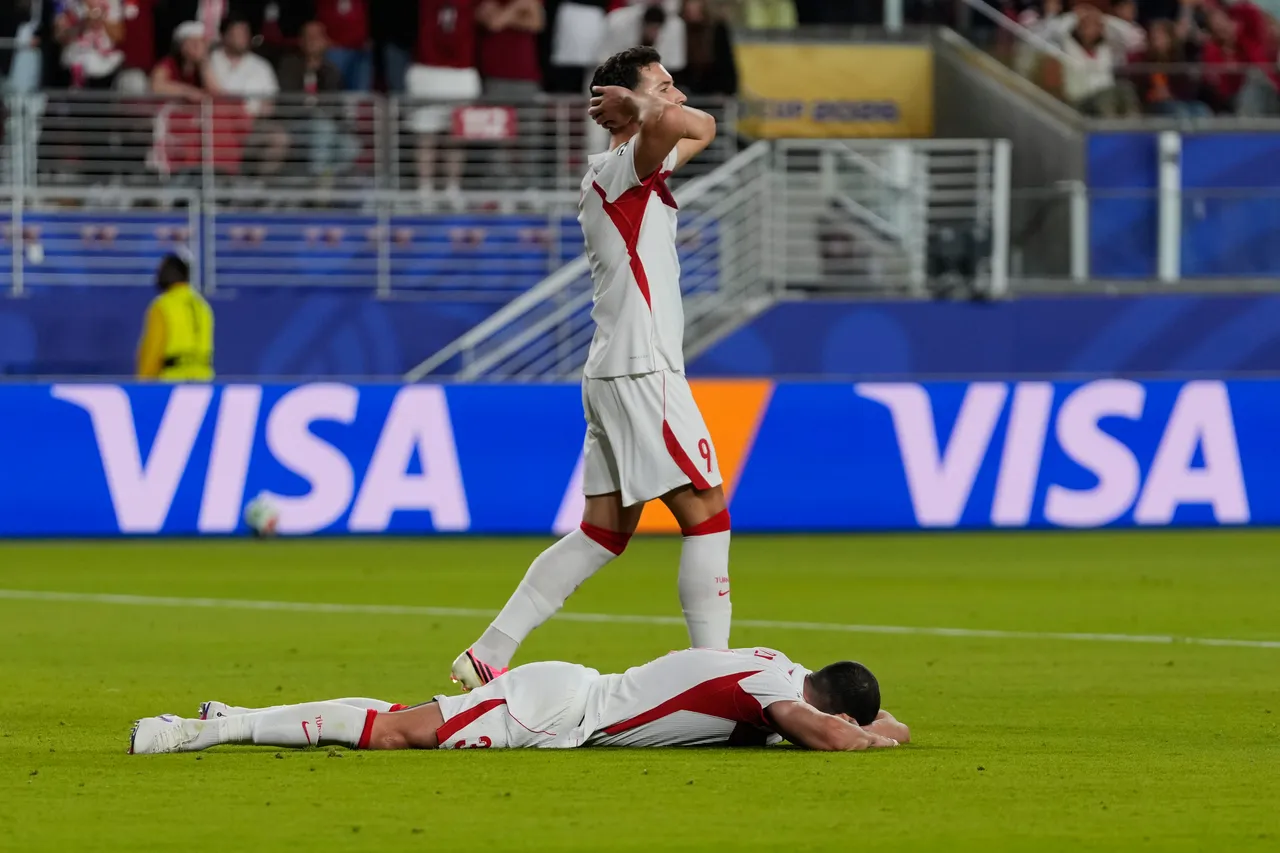
Washington, DC — Football, often described as "a game of inches", can sometimes yield harsh outcomes. And few know this better than Türkiye.
The Crescent Stars entered the 2026 World Cup with a rank of 23 and as a popular dark-horse pick but ended up as one of the first teams to exit the tournament in less than 10 days. Now compare this with Cape Verde — a football nobody until this World Cup. They debuted the tournament ranked 67th and have advanced to the 32-team knockout stage, where they will face Argentina.
It is not that Türkiye — boasting attacking talent such as Arda Guler, Kenan Yildiz and Hakan Calhanoglu — lacked intent or talent. They exhibited both and gave their all in their matches against Australia, Paraguay, and especially the USA in the group stage.
In football, unpredictable bounces, poor refereeing and injuries can derail the most talented team, while a deflected shot or woodwork strike can instantly turn defeat into victory. Türkiye faced significant challenges in this area, particularly during their matches against Australia and Paraguay.
Vincenzo Montella, coach of the Turkish national team, rightly attributed their early elimination from the World Cup group stage largely to bad luck and misfortune despite dominant statistical performances.
In his post-match press conference after the Paraguay defeat, Montella repeatedly highlighted bad luck, fate, and the ball simply not going in, while praising his players' effort and defending them against criticism.
"I have been working in football for 35 years, and what happened to us is exceptional; it is rare to lose two matches in a row like this. Luck was not on our side," he emphasised.
Türkiye's World Cup campaign saw a rare anomaly: they failed to score in their first two matches despite taking 62 shots — 30 against Australia and 32 against Paraguay.
They also maintained 76 percent possession across both matches, demonstrating their technical capability.
"Shooting 65 times on goal and failing to score, conceding very little to the opponent," a bewildered Montella stressed while emphasising that the team "created, played, played with spirit, played with soul, tried until the end."
Fightback against co-hosts USA
Having already exited the tournament, the third and final group stage game against the USA was a dead-rubber. But Türkiye were playing for pride and demonstrated their ability to punch above their weight.
They stunned the co-hosts 3-2 in a thrilling Group D finale, producing a dramatic stoppage-time winner that silenced the USA fans who had packed the SoFi Stadium of Los Angeles.
The Americans appeared set for another statement victory when Auston Trusty headed them in front after just three minutes. But Türkiye, which had dominated long stretches of their previous matches without finding the net, finally discovered the elusive luck that had deserted them throughout the tournament.
Guler equalised with a composed finish before Baris Alper Yilmaz completed the turnaround before halftime, rewarding an energetic Turkish display that consistently unsettled the hosts' reshuffled defence.
Sebastian Berhalter restored parity early in the second half, setting the stage for a frantic finale before Kaan Ayhan bundled home the winner deep into stoppage time.
After dominating but not winning their opening two matches, Türkiye established the perfect tactical balance in their final fixture.
The Crescent Stars lined up in a 4-2-3-1, the same flexible system that coach Montella had used throughout most of his tenure with a 4-4-2 defensive bloc, with Guler stepping alongside Kenan Yildiz to press the American centre-backs.
Once possession was won, Türkiye quickly transitioned into its familiar 4-2-3-1, relying on Guler's creativity between the lines and the pace of Yilmaz and Yildiz on the wings.
In possession, Türkiye often built with Salih Ozcan sitting deepest while Orkun Kokcu pushed higher to support Guler. The full-backs, particularly Ferdi Kadıoglu, advanced aggressively to create overloads on the flanks, allowing the wingers to drift inside.
That movement was central to Türkiye's comeback after conceding an early goal, with Guler and Kokcu repeatedly finding space between the USA midfield and defence.
The crucial victory was enough to silence critics who had questioned the team’s talent and commitment.

Guler's game





Despite dominating possession and taking 62 shots in their opening matches against Australia and Paraguay, Türkiye could not find the net.
In the first match, the Crescent Stars — although the better side — were punished by a more clinical Australian side that focused primarily on counter-attacks.
In the second game against Paraguay, the South American side scored the fastest goal of the tournament in just 64 seconds. After this, Paraguay almost immediately parked the bus and switched to an all-out defence.
The Turkish side failed to make a comeback, losing one chance after another, despite having 78 percent possession and 33 attempts, six of them on target.
After the defeat to Paraguay, Guler – who would later frustrate Christian Pulisic and his teammates in the match against the USA – apologised to the fans, saying, "We should have won these games, so apologies to the Turkish people."
In all games, 21-year-old Guler, Türkiye's most creative attacking player, was involved in set pieces, including free kicks, corners, and taking shots, creating chances, and controlling tempo with tidy passing and long balls.
He had high touches and was at the centre of most attacks despite limited clear openings.
A gifted dribbler, visionary passer, and set-piece specialist, Guler consistently created danger through sheer skill rather than mere physicality or work rate.
Yildız, also 21, and Calhanoglu, 32, were also strong when it came to shots or chances created, but Guler was the focal point for skills and talent.
He later shone even more in the dead-rubber win against USA, scoring and assisting, and clinching the Man of the Match.
While misfortune played a part, Türkiye's elimination was largely caused by their inability to convert chances, defensive errors at key times, and the mental strain of the tournament.
Türkiye conceded at key moments through mistakes in transition and brief losses of concentration, turning otherwise competitive performances into defeats.
As expectations grew and results failed to follow, confidence appeared to drain from the squad, with missed chances and defensive errors feeding frustration and making it increasingly difficult for the team to recover before their tournament came to an early end.
Lack of clinical finishing
When it comes to the lack of clinical execution, nothing explains this better than the stats themselves.
Türkiye managed 62 shots across their opening two matches without scoring, despite averaging 75 percent possession, before finally finding the net in their final group game after elimination had effectively already been sealed.
This represents the highest number of goal attempts without scoring in a consecutive two-match period since records began in 1966. With an expected goals (or xG) rating of 3.6, Türkiye created sufficient high-quality chances to score three or four times.
Their buildup play was often fluid and inventive, but too many attacks ended with speculative long-range efforts, rushed finishes or wasted chances inside the penalty area, which can be very consequential.
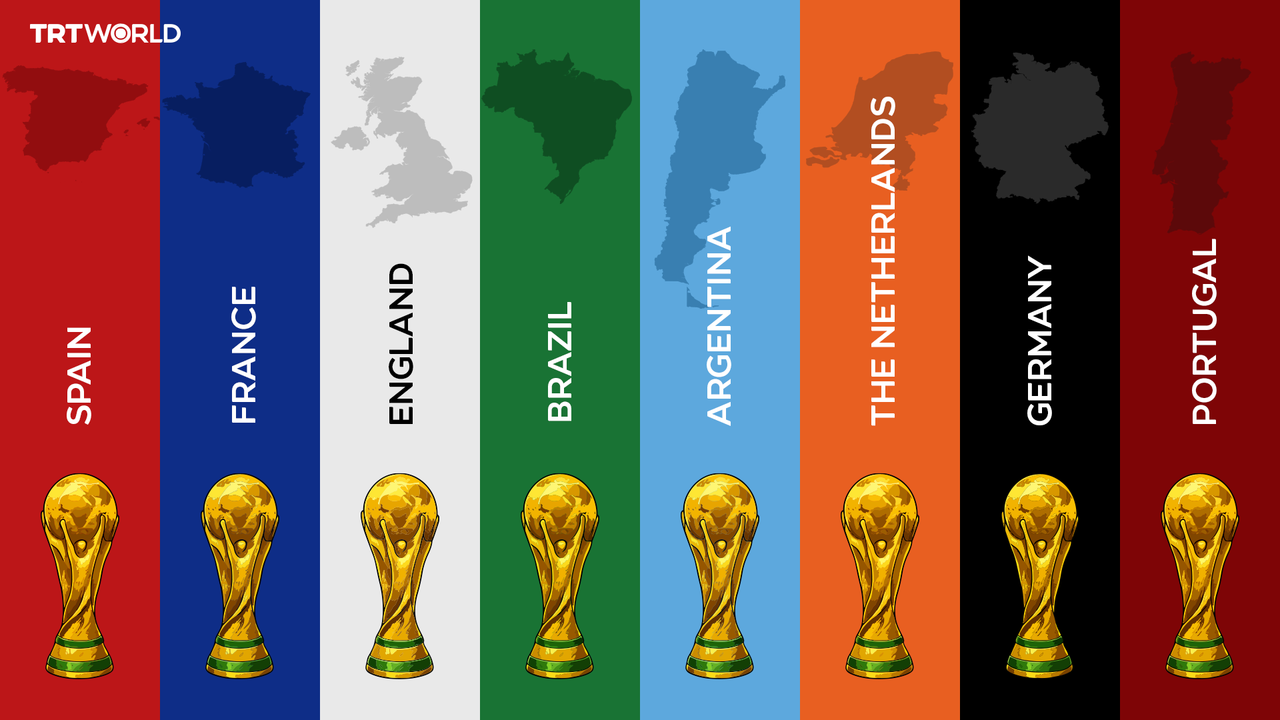
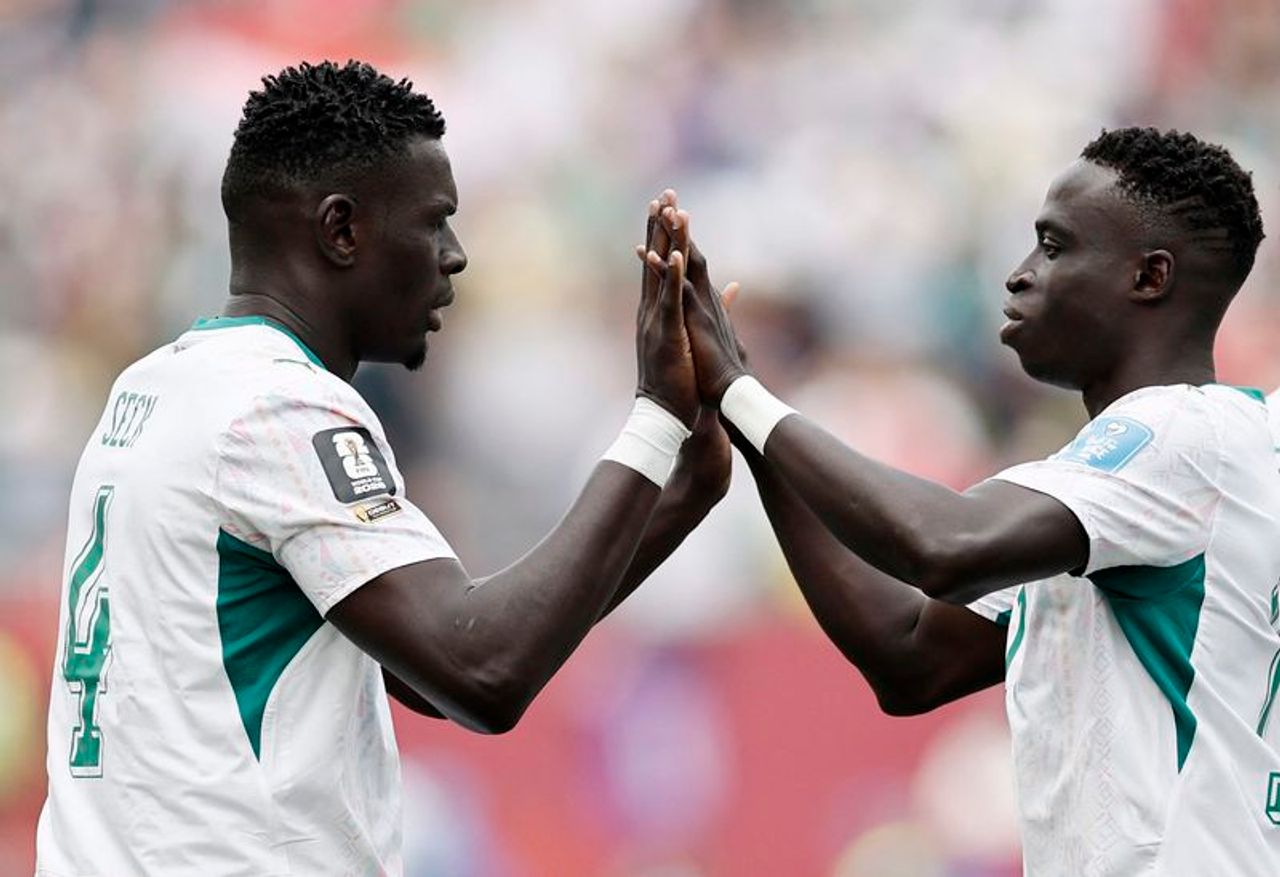
Spain displayed a similar show, failing to convert their chances despite creating plenty. The European powerhouse and title favourites were held to a 0-0 draw by debutants Cape Verde due to their poor finishing.
Going deeper, there is another underlying problem.
Türkiye's striker in the World Cup was Akturkoglu, who plays for Fenerbahce.
However, Akturkoglu is not primarily a striker but a left winger. The lack of available strikers forced Montella to deploy the 26-year-old as a forward.
Defensive lapses at key moments
Türkiye's defensive problems were not a major headache for the team. Rather, they were punished for mistakes at precisely the moments when World Cup matches are often decided.
The match against Australia was a prime example of this.
The Australian side played a 5-4-1 formation. Usually, any system that puts five players on the defensive line is designed to close all gaps and spaces the opposing team could capitalise on, focusing primarily on counter-attacks.
During the match, the Crescent Stars largely controlled possession and spent significant periods in the attacking half, but their aggressive approach left spaces behind the midfield.
Australia exploited those openings with quick transitions, turning a handful of chances into two goals.
For long stretches, Türkiye looked comfortable, yet they lacked the defensive concentration needed to withstand the few dangerous moments they faced.
The Paraguay defeat followed a similar pattern. Türkiye conceded after just 65 seconds, a disastrous start that immediately altered the tactical landscape of the match.
Rather than playing with patience, they spent the remaining 89 minutes chasing an equaliser.
The goal itself was not simply a defensive error but a collective lapse in concentration at the start of a match when players are expected to be at their sharpest.
Conceding so early handed Paraguay exactly the game plan they needed: sit deep, defend in numbers and force Türkiye to break them down.
Same happened to Uruguay. Widely tipped to advance comfortably from Group H, they instead found themselves chasing equalisers in every match and were eliminated in the first stage.
Weight of expectation and mental pressure
Tactics and football aside, when expectations are high, it normally puts immense pressure on players who may be inexperienced or new to football’s grandest stage, where the entire world is watching.
Entering the tournament, the team had been widely and rightly described as a potential dark horse. Their strong qualifying campaign, talented young generation and encouraging performances under Montella had created genuine belief that Türkiye could reach the 32-team knockout stage and perhaps go even further.
That expectation appeared to have become a burden once results went against them.
After the opening defeat against Australia, every missed chance seemed to increase the tension. Players who had looked confident in the qualifiers suddenly appeared rushed in front of goal.
Shots were snatched at rather than placed, promising attacks broke down through poor decision-making, and frustration became increasingly palpable as opportunities went begging.
Montella hinted at this in his comments defending the players after the Australia game, suggesting he was concerned not only about the tactics but also about his squad’s emotional state.
By the time Türkiye faced Paraguay, there was a sense that the players were carrying the weight of expectations, and the match itself reflected that.
Rather than calmly exploiting their numerical advantage after Paraguay were reduced to 10 men, Türkiye became increasingly frantic. The longer the score remained 1-0, the more desperation crept into their play.
In hindsight, Türkiye's World Cup exit was as much a story of psychology as tactics. Their talent was evident, their chance creation remained strong, and they were rarely outclassed by opponents.
Yet a combination of tough luck, early setbacks, mounting expectations and growing frustration created a downward spiral from which they never recovered.
For coach Montella, who guided Türkiye's first appearance in the World Cup since 2002 after a 24-year absence, more than anything else it was the fortune that deserted his team in a game that defies logic.
"Football is not logical. That's what makes it the most beautiful sport in the world."