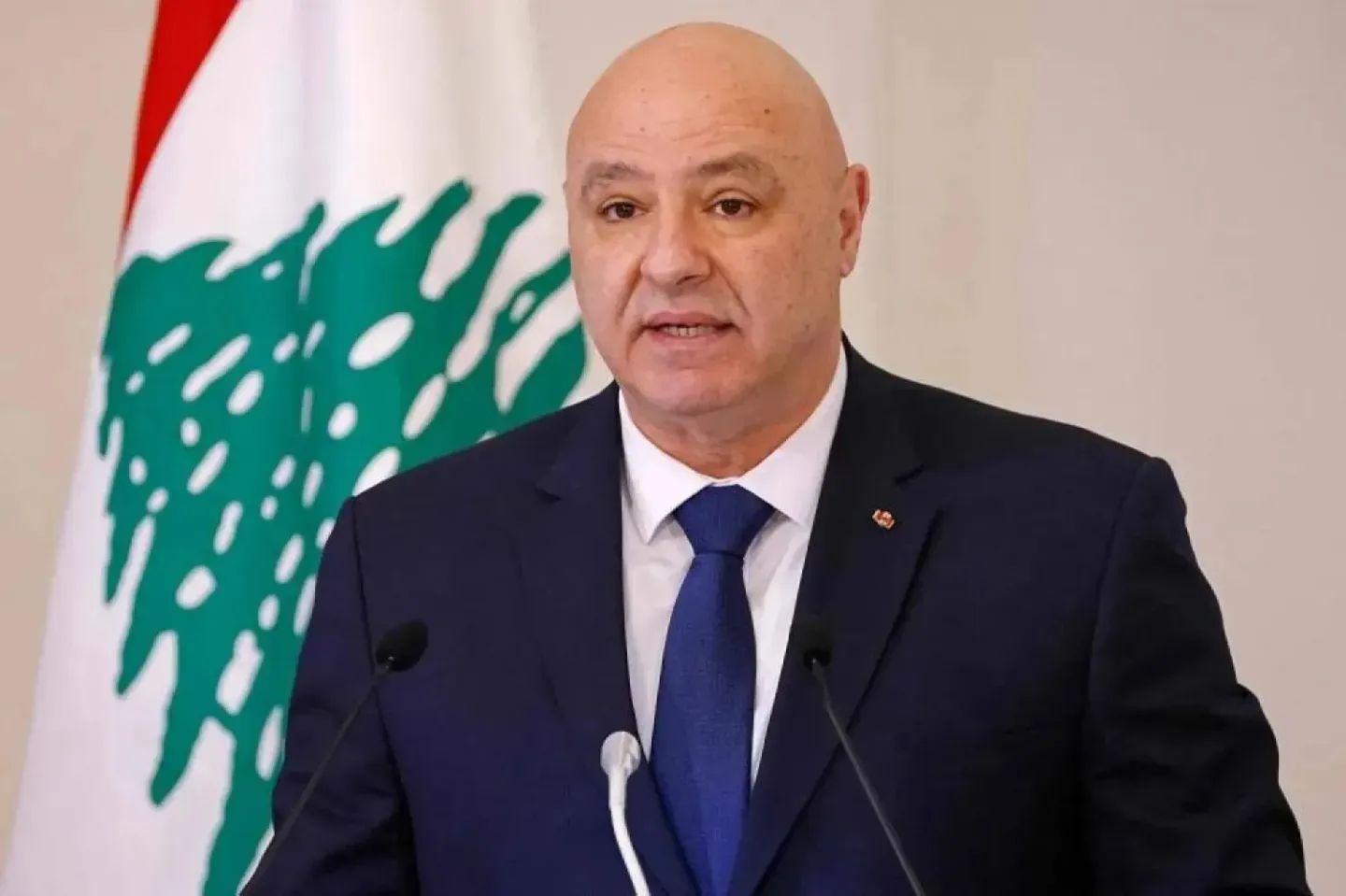
Lebanese President Joseph Aoun has defended his government’s move towards negotiations with Israel, insisting that pursuing talks after securing a ceasefire is not an act of treason but a necessary step to end the war.
Aoun said on Monday that Lebanon informed the United States “from the very first moment” that any negotiations with Israel must begin only after a ceasefire is in place.
Speaking in remarks carried by Al-Jadeed TV, he pushed back against criticism from political opponents and Hezbollah figures who accused the government of entering talks from a position of weakness.
“Some blame us for deciding to move towards negotiations on the grounds that there is no national consensus,” Aoun said.
“I ask: when you went to war, did you first have national consensus?”
He stressed that accusations of surrender were premature and politically motivated.
“Even before the talks began, some started directing criticism and accusations of treason,” he said.
“We say to them: wait until the negotiations begin, and then judge the outcome.”
‘Treason is dragging Lebanon into war’
Aoun sharply rejected claims that diplomacy with Israel amounts to betrayal, arguing that the real betrayal lies in pulling Lebanon into destructive conflict for outside interests.
“Treason is committed by those who drag their country into war to serve external interests,” he said.
He emphasised that Beirut’s goal is to stop the fighting and restore stability, but warned that he would never accept what he called a “humiliating” agreement.
His remarks came shortly after Hezbollah Secretary-General Naim Qassem renewed the group’s “categorical rejection” of direct negotiations with Israel.
Qassem accused Lebanese authorities of offering what he described as an unnecessary and humiliating concession.
“In this atmosphere of sacrifice and dignity and the defeat of the enemy, the authority rushed into a humiliating and unnecessary free concession,” he said.
Fragile ceasefire under pressure
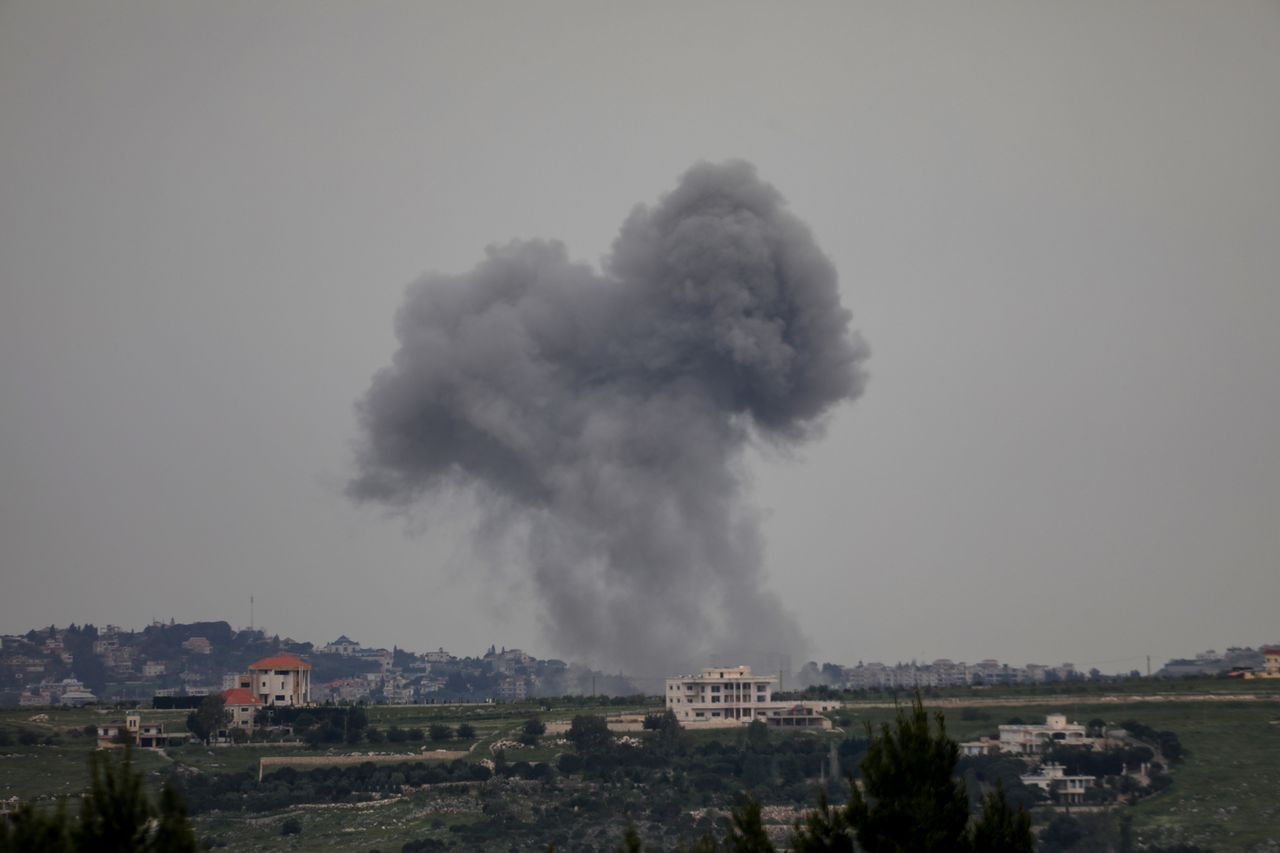
Lebanon and Israel entered a 10-day ceasefire on April 17 after months of deadly fighting that had killed more than 2,500 people and displaced over 1.6 million across Lebanon, according to official figures.
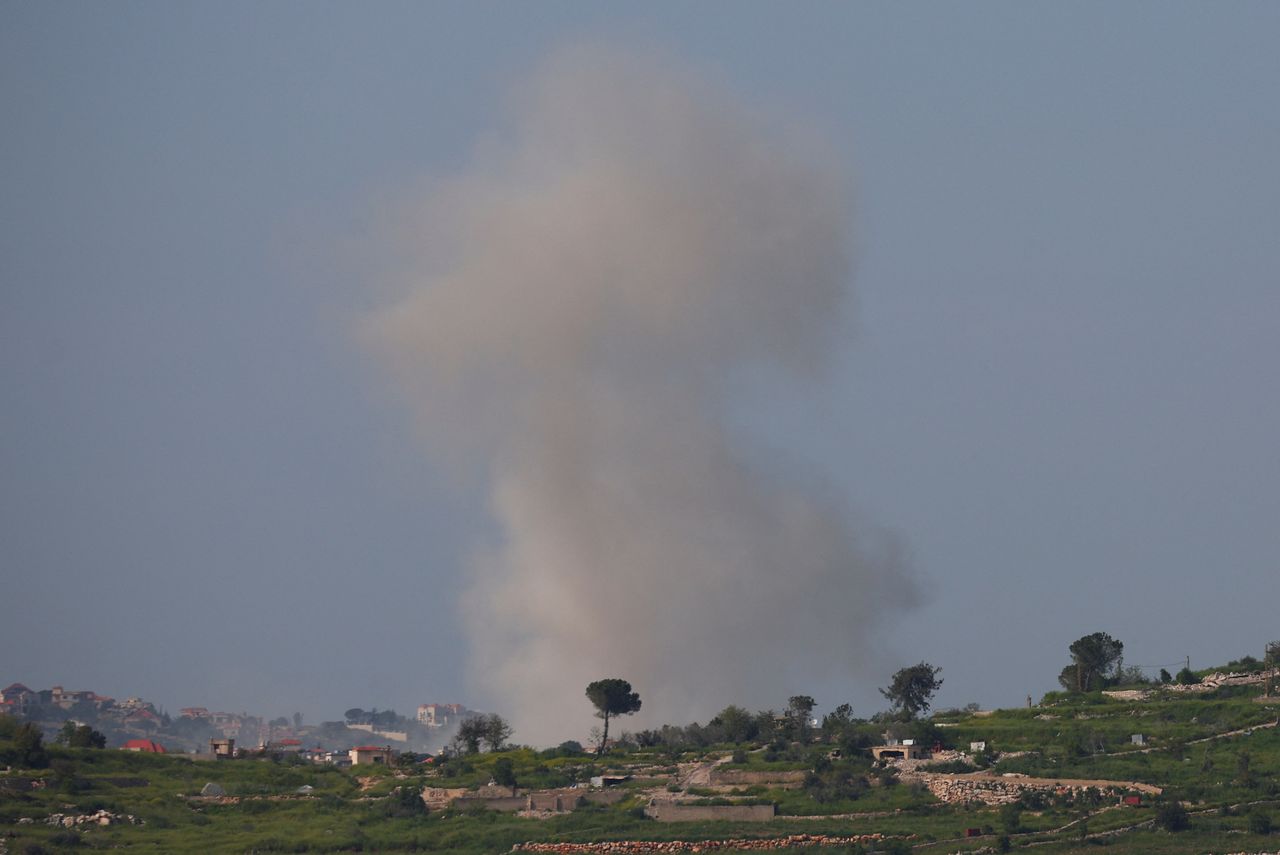
Israel has repeatedly violated the truce, Lebanese officials say, while Hezbollah has continued drone attacks targeting Israeli forces in southern Lebanon and northern Israel in response.
US President Donald Trump said Thursday that both sides had agreed to extend the truce by three more weeks following a second round of talks in Washington.
Despite the extension, tensions remain high as Lebanon faces deep internal divisions over how to handle future negotiations with Israel—and whether diplomacy can hold where war has repeatedly returned.