 Murat Sofuoglu
Just hours before the US and Israeli forces attacked Iran, Oman Foreign Minister Badr Albusaidi gave an upbeat assessment about the talks between American and Iranian officials to end the nuclear deadlock.
Albusaidi, who was mediating between the US and Iranian delegations, announced that all issues would be resolved "amicably and comprehensively" within three months.
The foreign minister called the recent talks in Geneva a moment of “a very important breakthrough that has never been achieved any time before" between the two sides.
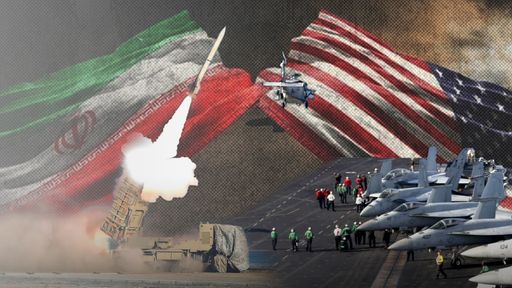
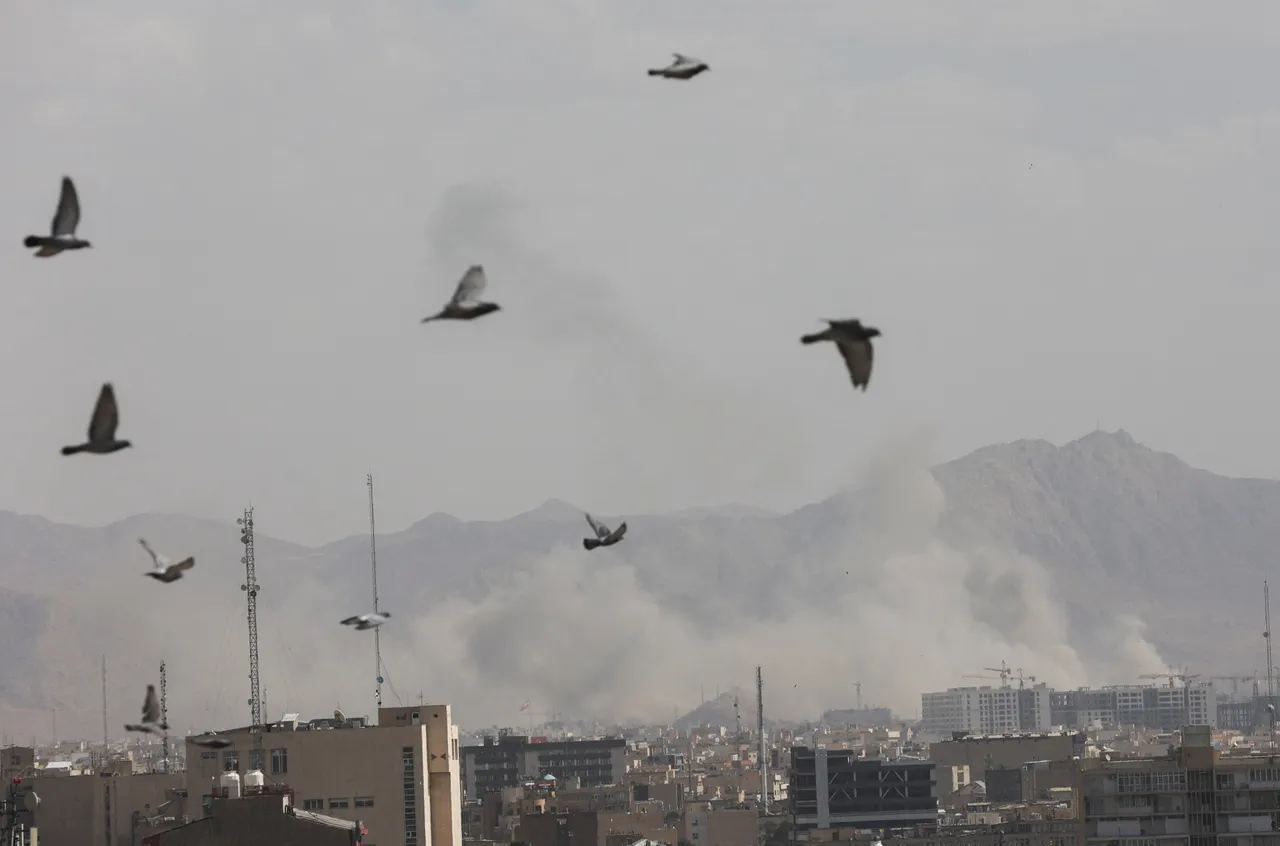
But several hours after his announcement, the US and Israeli forces struck multiple targets in Iran, almost repeating what happened after the previous June talks between Tehran and Washington, which ended with an Israeli-US joint attack on Iran.
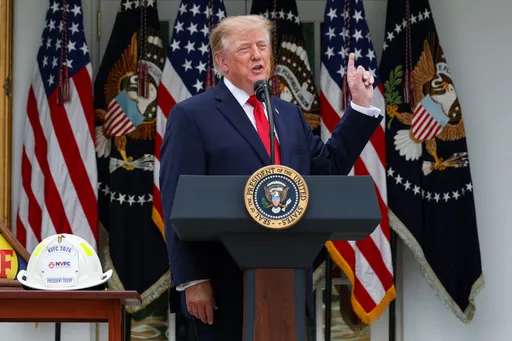
“The United States military is undertaking a massive and ongoing operation to prevent this very wicked, radical dictatorship from threatening America and our core national security interests,” Trump said in a video message on Saturday, signalling a major operation against Iran.
“We are going to destroy their missiles and raze their missile industry to the ground,” he added, claiming that Tehran was trying to rebuild its nuclear programme despite the June attack, which had reportedly severely damaged Iranian nuclear sites.
Trump’s language suggests that the US aims to hit Iran’s missile stockpiles, experts say.
“Heard several explosions, apparently air-launched missiles from Iraqi airspace,” says Ali Akbar Dareini, a Tehran-based Iranian political analyst.
“It was American cruise missiles,” says Mohammed Eslami, a political scientist at the European University Institute, adding that “We have to see what happened.”
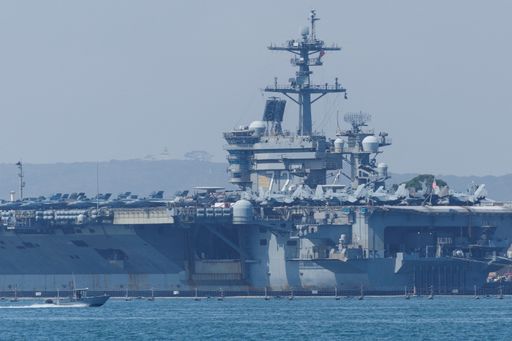
It remains unclear what the Iranian response would be. Last year, in retaliation for the US and Israeli strikes, Iran had hit a US military base in Qatar.
“Retaliation depending on the scale of beat they received, but it is too early to say anything,” Eslami tells TRT World, adding that Tehran might move to “select new leadership if necessary.”
“Iran is preparing for revenge and a crushing response to the Zionist regime,” said Tasnim, a semi-official news agency related to Iran’s elite Islamic Revolutionary Guard Corps (IRGC), referring to Israel.
According to Iranian state-affiliated news outlets, the US attacked Supreme Leader Ali Khamenei’s residence in Tehran’s Pasteur district with at least seven missiles.
“They might have killed high officials of the IRGC and the regular army again,” says Eslami.
“Iran will start launching barrages of missiles in a few hours or even minutes,” he says.
Asked if Iran was prepared for the attack amid Geneva talks, Eslami says while diplomats might have hoped for a negotiated settlement, “armed forces were ready, I guess.”
A Tehran-based Iranian journalist, who wants to stay anonymous, predicts a long war, but she also says that many Iranians are anxious.
The journalist describes traffic games across Tehran as “some people started chanting anti-government slogans in the streets.”
But she adds that “the Islamic Republic will still survive. In what condition, I cannot say, but they will not back down. Even if they have to put the whole region on fire, they will do that.”
Eslami describes anti-government protesters as “a small portion of the Iranian population,” which is “a loud minority”, while the country’s silent majority will “rally the flag.”
“At the moment, it would be a very irrational thing to do for the opposition to gather in the streets. The government would suppress them,” he says.