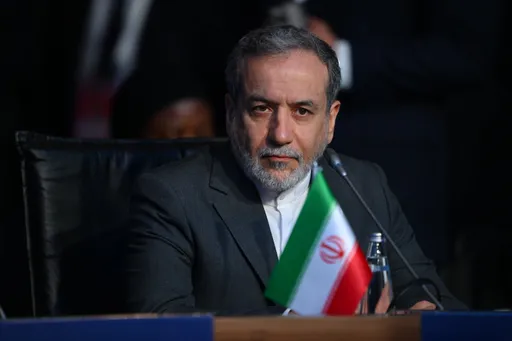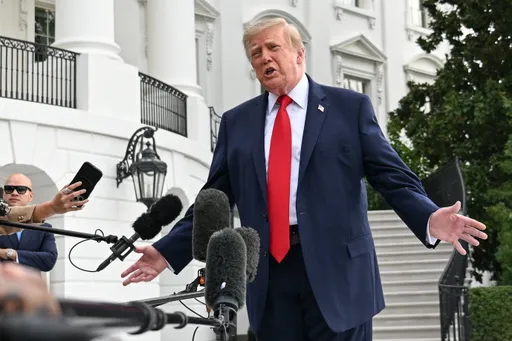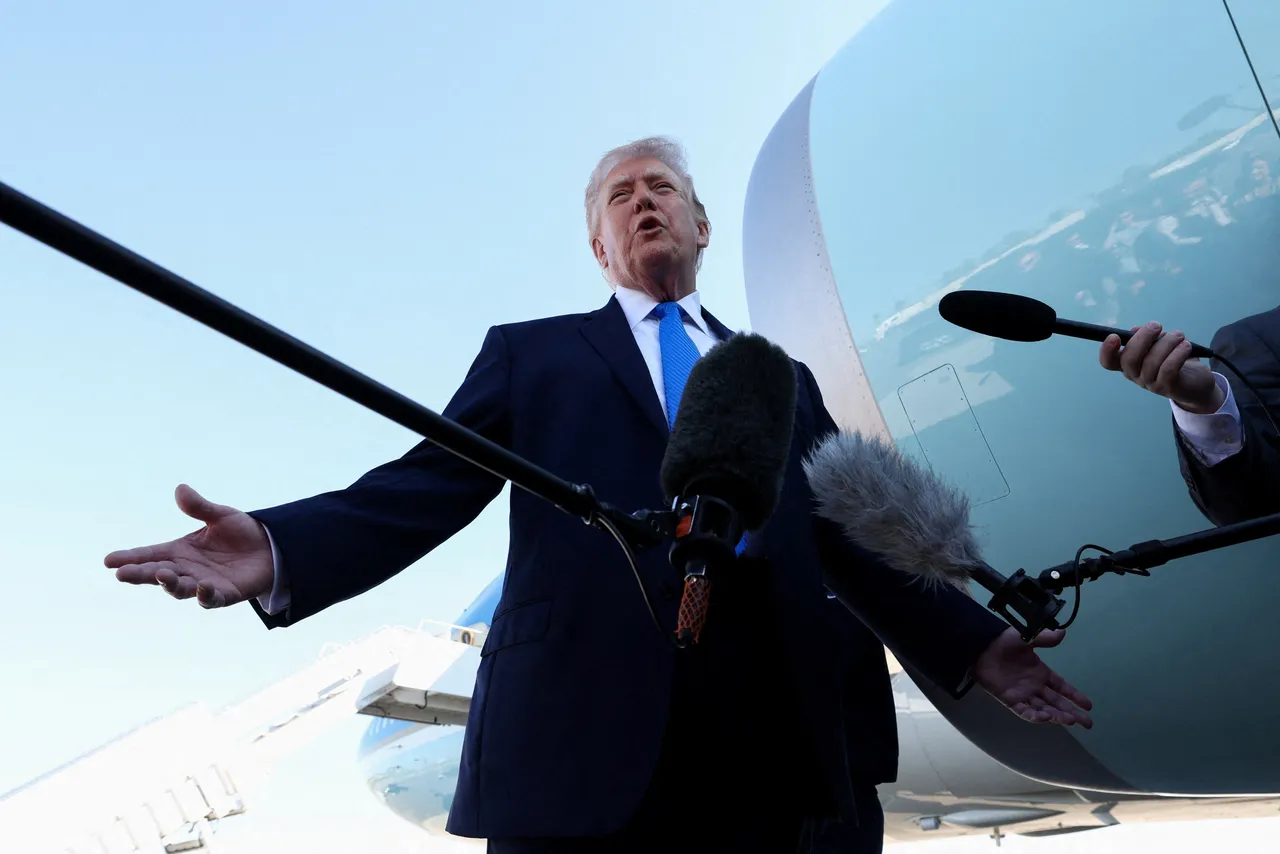
US President Donald Trump said Washington had reached “major points of agreement” in discussions with Iran.
Speaking to reporters on Monday, Trump stated that American officials had held what he described as “strong talks” with Iranian representatives and that both sides appeared willing to pursue a negotiated outcome.
“We’ve had strong talks with Iran. We’ll see where the talks lead,” Trump said, adding that discussions had taken place over the weekend and extended into Sunday evening.
According to the US president, the talks involved senior figures connected to the administration, including Steve Witkoff and Jared Kushner, who reportedly held contacts with Iranian interlocutors as part of the diplomatic effort.
Trump suggested that progress had been made on several core issues, claiming there were “15 points of agreement” between the two sides.
While he did not provide detailed specifics, he emphasised that preventing Iran from obtaining nuclear weapons remained the central objective of Washington’s position.
“They have agreed to no nuclear weapons,” Trump said.
“We are looking for no nuclear weapons and peace in the Middle East.”
The president indicated that further communication between the two sides could take place imminently. “We will talk today, probably by phone,” he said.
“I hope to meet soon. I hope we can settle this,” Trump added.
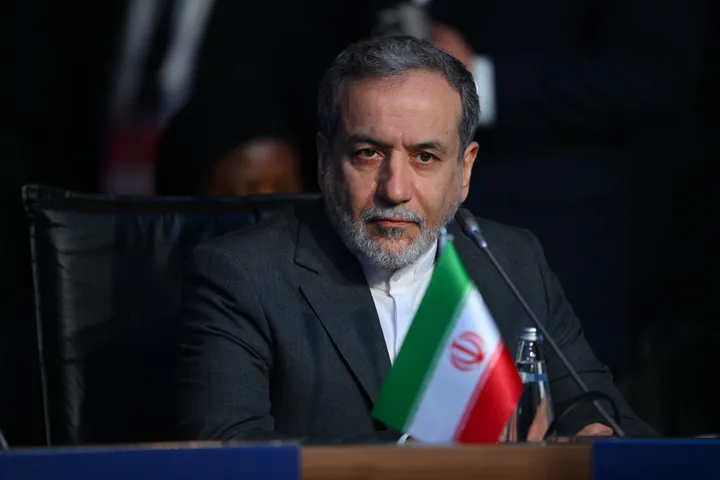
Trump also said that US officials had been in contact with senior figures within the Iranian leadership.
“We talked to top leadership. We talked to an Iranian top respected leader,” Trump said, while adding that he had not received any communication from the Supreme Leader and did not consider him to be the country’s leader.
Iran’s leadership
Trump also commented on the safety of Iran’s Supreme Leader, Mojtaba Khamenei.
“I don’t want him to be killed,” he said, while also noting uncertainty about the current situation within Iran’s leadership circles.
Trump suggested that the internal situation in Iran might be complicating communication channels. “They have no telecommunications, so I imagine they have a lack of communication,” he said.
The US president reiterated that Washington was seeking a deal that would effectively eliminate Iran’s ability to develop nuclear weapons capability.
He claimed that Iran had already indicated willingness to move in that direction.
“We want nuclear dust,” Trump said, suggesting the dismantlement of nuclear material stockpiles. He also insisted that the US wanted “no enrichment”, while adding that enriched uranium could potentially be removed if a deal were reached.
“It would be very easy to take the enriched uranium ourselves if we have a deal,” he said.
Trump framed a potential agreement as a turning point not only for Iran but for the broader Middle East.
“If a deal happens, it’s a great start for Iran and great for the region,” he said.
‘Israel informed’
He also suggested that Israel had been kept informed of developments. Trump said he had spoken with Israeli officials shortly before addressing reporters and predicted that Israel would be satisfied with the outcome of the negotiations.
“Israel will be very happy with what we have,” Trump said. “I talked to Israel a little while ago.”
However, the president acknowledged that a final agreement was far from guaranteed. “I can’t guarantee a deal,” he said.
Trump further claimed that the initial outreach had come from the Iranian side. “They called. I didn’t call,” he said.
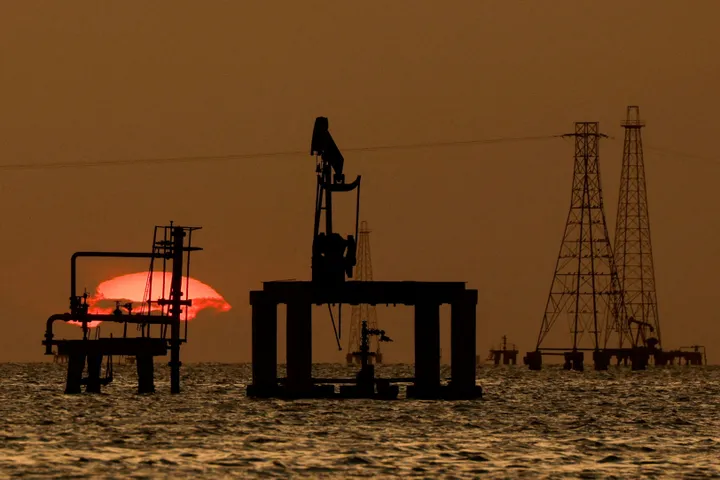
In addition to the nuclear issue, Trump linked the talks to wider economic and strategic implications, particularly global oil markets.
He said that if an agreement were reached, energy prices could fall rapidly and maritime security in the Gulf could improve.
“The price of oil will drop like a rock as soon as there’s a deal,” Trump said.
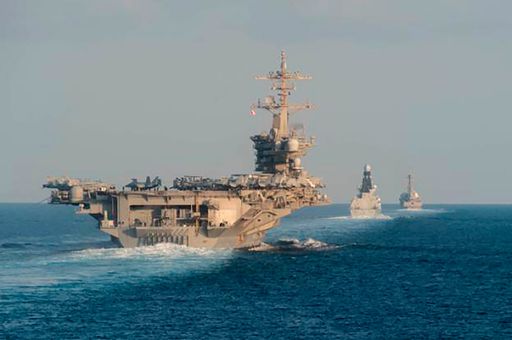
He also suggested that the crucial shipping route of the Strait of Hormuz could soon be fully open if tensions eased.
“The Strait of Hormuz will be opened very soon if there’s a deal,” he said.
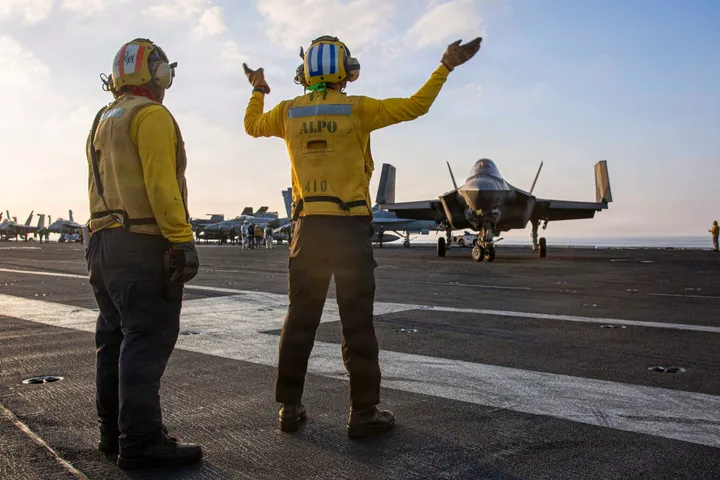
The US president also commented on broader strategic considerations, including the possibility of further military engagement.
“We don’t talk strategy,” Trump said when asked about the potential deployment of American troops.
‘Economic pressure’
Trump also suggested that Iran remained under heavy economic pressure and argued that the country was not receiving significant oil revenue.
“I don’t think they are getting any oil money,” he said, while adding that he wanted as much oil as possible in the global system in order to stabilise markets.
Trump also indicated that if negotiations failed, the situation could lead to major political change within Iran.
“There will be a very serious form of regime change,” he said, though he did not elaborate on how such a scenario might unfold.
For now, the president portrayed the talks as a rare opportunity to de-escalate tensions and potentially resolve one of the region’s most dangerous disputes.
“They want to make a deal. We want to make a deal too,” Trump said.