A US military judge has ruled that confessions made by alleged 9/11 attacks mastermind Khalid Sheikh Mohammed to FBI agents are inadmissible and cannot be used against him at trial, The New York Times and several US media outlets reported.
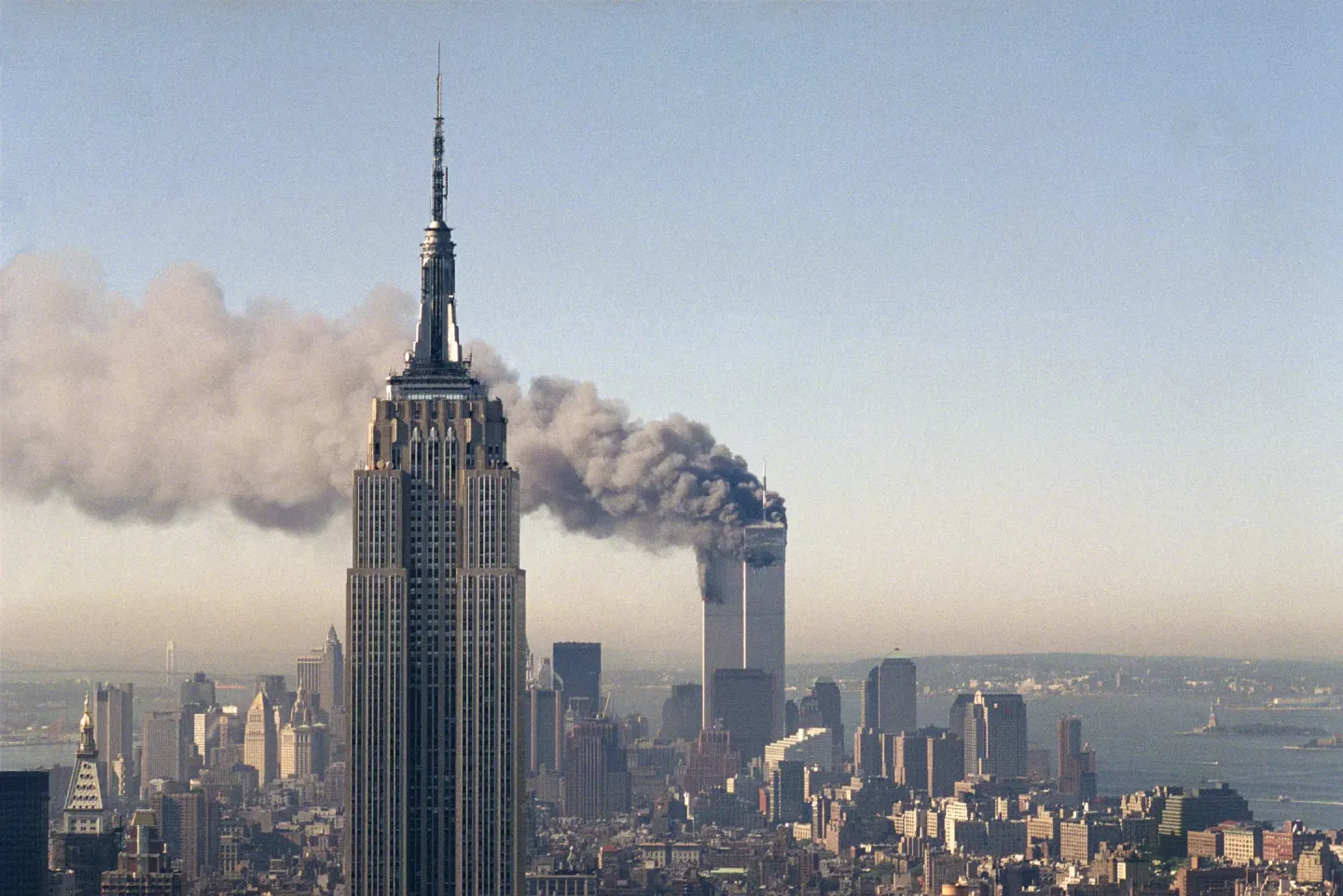
Friday’s ruling comes just before the 25th anniversary of September 11, 2001, terror attacks that killed nearly 3,000 people in New York, Washington and Pennsylvania.
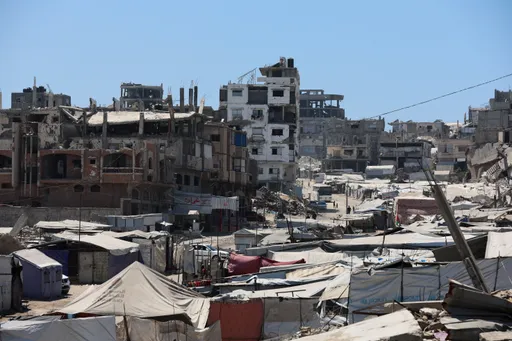
More than 4.5 million people were killed in total — including over 930,000 from direct combat violence — in US-led wars following the September 11 attacks across countries including Iraq, Afghanistan, Syria, Yemen, and Pakistan, according to estimates from the Costs of War Project at Brown University.
This week, the trial date for Mohammed and three others accused plotters was set for June 5, 2028 at the US naval base in Guantanamo Bay, Cuba.
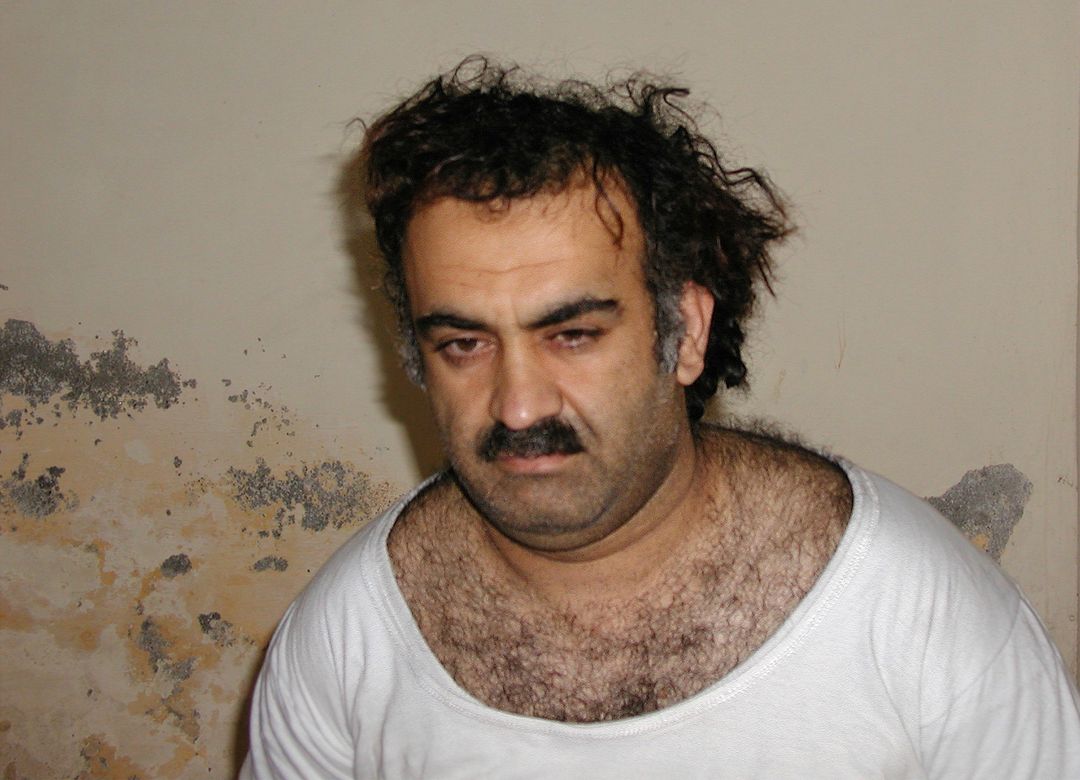
Mohammed, also known as "KSM," was considered one of Al-Qaeda leader Osama bin Laden's top aides before he was captured in March 2003 in Pakistan.
Prosecutors have already excluded statements that Mohammed made after his capture when he was held by the CIA in overseas prisons and subjected to brutal treatment including waterboarding before his transfer in 2006 to Guantanamo, the Times reported.
But the trial judge Lieutenant Colonel Michael Schrama has concluded that Mohammed's subsequent interrogations in 2007 at Guantanamo were also inadmissible.
"The prosecution has failed to prove by a preponderance of the evidence that Mr. Mohammad’s statements to the FBI were voluntarily given," Schrama wrote in his ruling, which was not immediately released to the public.




Delayed trial
The Times said its unclassified contents were confirmed by several lawyers who had seen it.
A spokesman for the US military court did not immediately respond to an AFP request for comment.
Schrama cited an "unbroken continuation of the CIA’s psychological conditioning and severe coercion," and also found that FBI agents intentionally failed to tell Mohammed that he had a right to be silent and to consult a lawyer.
Prosecutors can appeal the ruling.
Mohammed's trial has been repeatedly delayed and a plea deal that would have seen the death penalty taken off the table was withdrawn last year following protests from the relatives of some victims of the 9/11 attacks.
Much of the legal jousting in the 9/11 defendants' cases has focused on whether they could be tried fairly after having undergone torture at the hands of the CIA.