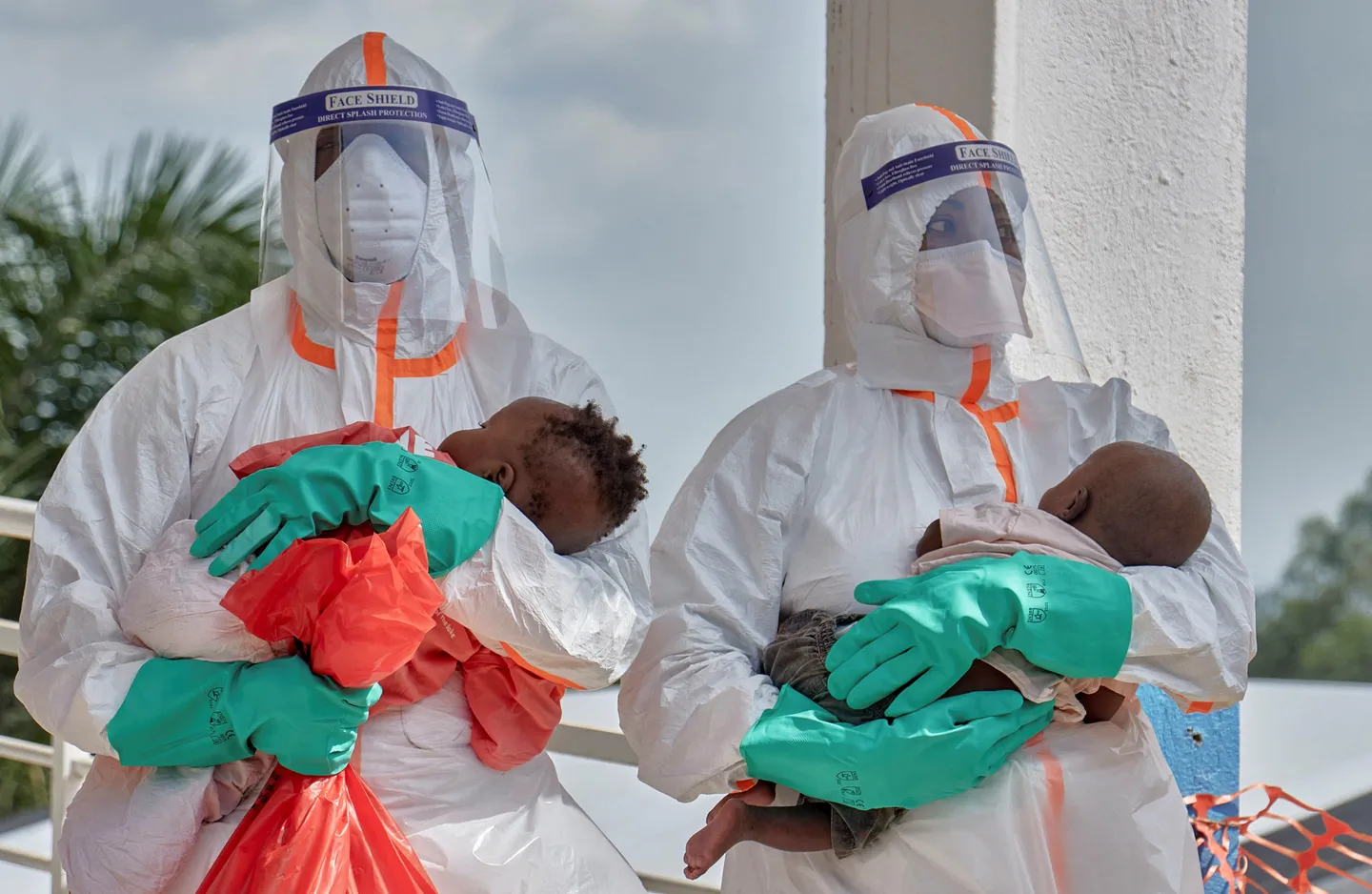
The Ebola outbreak in the Democratic Republic of Congo has become the world's second largest on record, government data showed on Friday, as transmission continues to outpace efforts to contain the disease.
The country's communications ministry said on X that 3,532 cases and 1,556 deaths had been recorded, surpassing the 3,481 cases reported during the country's 2018-2020 Ebola outbreak.
Authorities said it is also the fastest-growing Ebola outbreak in history, with more than 1,500 people dying within months of the outbreak being declared on May 15.
Only the 2014-2016 West Africa epidemic was larger overall, with 28,616 cases and 11,310 deaths across Guinea, Liberia and Sierra Leone, according to the World Health Organization.
Outbreak spreads rapidly, no known vaccine
Health authorities warned that the virus is spreading faster than response efforts can contain it, with infections doubling about every 20 days since the outbreak began.
"The spread of the virus requires increased mobilisation and adaptation of response strategies. The major focus should be to cut the chains of transmission as soon as they appear," physician De-Joseph Kakisingi told reporters in Kinshasa.
"The response must be faster than Ebola. This is not just a question of logistics or medical intervention. It is mainly a question of strategy because the virus does not start spreading in a laboratory or in a treatment centre. It begins in a family, in a neighbourhood, in a community," he said.
The outbreak has spread across five provinces — Haut-Uele, Ituri, North Kivu, South Kivu and Tshopo — and now affects nearly 50 health zones after reaching another area in Tshopo province.


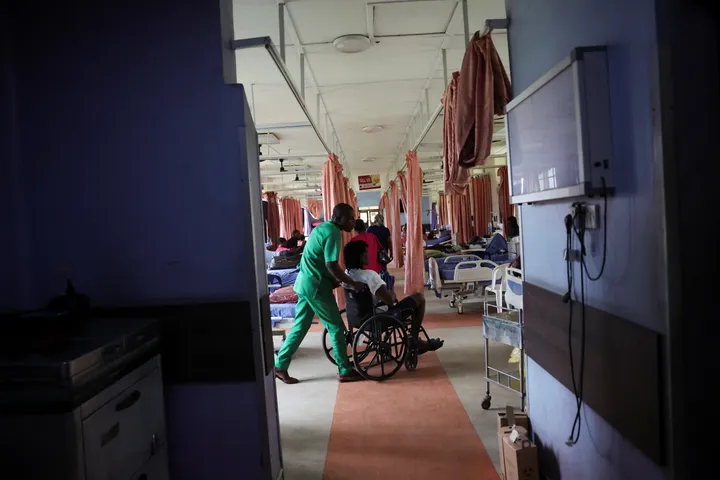


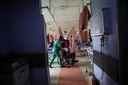
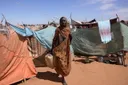
Unlike previous Ebola outbreaks, the current epidemic is caused by the Bundibugyo virus, for which there are no approved vaccines or treatments.
Conflict, hunger hamper response
Health authorities said community resistance, misinformation and difficulties conducting safe burials continue to undermine efforts to contain the virus.
Earlier this week, unidentified men burned two health facilities in Butembo, North Kivu, amid rumours accusing health workers of falsely declaring patients infected with Ebola, according to local media.
The UN World Food Programme (WFP) also warned that worsening food insecurity could weaken containment efforts.
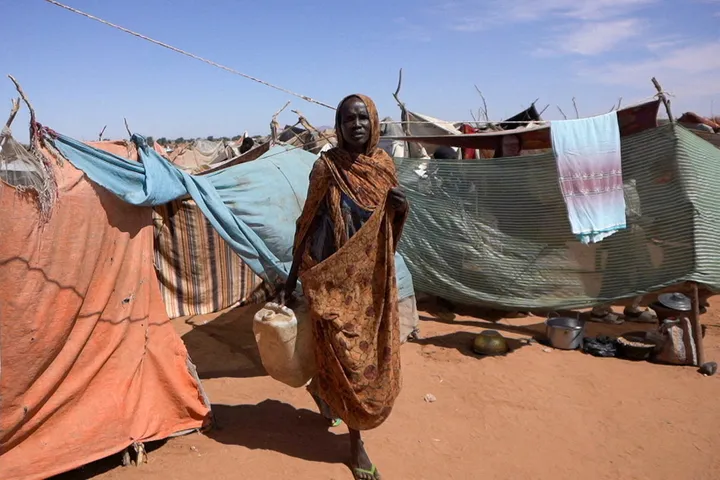
The agency said the outbreak is unfolding amid conflict, displacement, limited access to basic services and an ongoing health workers' strike, with more than 2.65 million people in affected areas facing acute food insecurity.
"Without urgent, flexible support, families may be forced to choose between complying with public health measures and finding food," the WFP said, warning that such pressures could accelerate the spread of the virus.
"Ebola feeds on delay, fear and hunger," said WFP Acting Executive Director Carl Skau.
Ebola is a rare but highly contagious disease transmitted through contact with bodily fluids, including blood, vomit and semen. It causes severe illness and is often fatal.