Israelis head to the polls on October 27 in the country’s first general election since October 7, 2023.
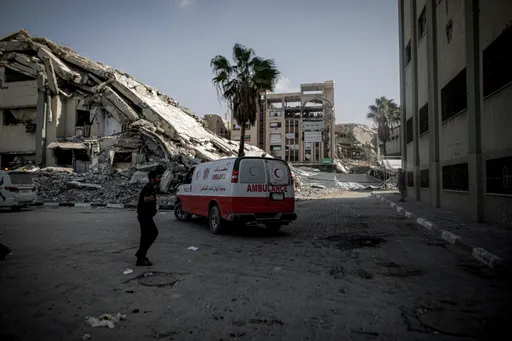
The vote comes after nearly three years of Israel launching a genocidal war on Gaza, mounting international condemnation and growing domestic anger over security failures under Prime Minister Benjamin Netanyahu’s leadership.
Here are five things to know about the election and what the result could mean for Palestinians.
What do the polls show?
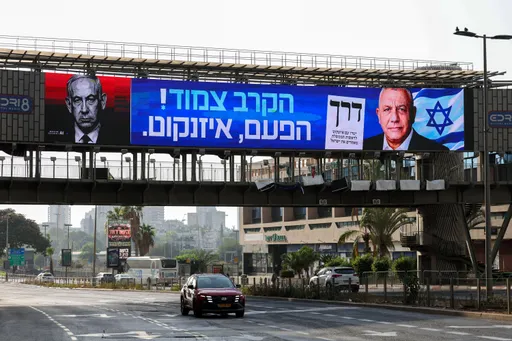
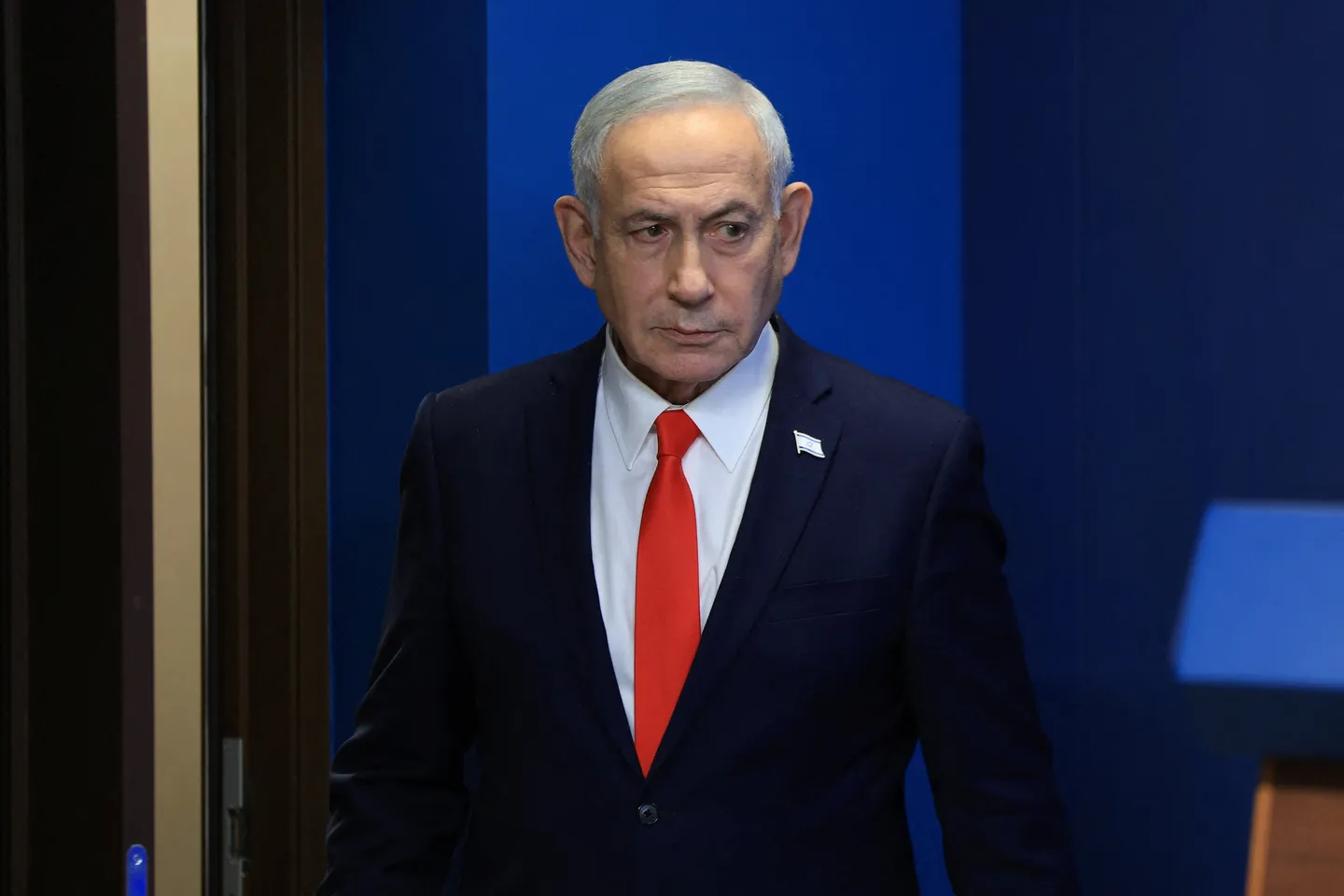
Netanyahu’s Likud party and its allies are fighting to retain power, but polls suggest they could struggle to secure a parliamentary majority.
A poll published by Israel’s public broadcaster KAN projected 52 seats for the opposition bloc and 50 for Netanyahu’s allies in the 120-seat Knesset. Neither bloc would reach the 61 seats needed to form a government independently.
The prime minister’s standing has suffered since the October 7 attacks, which exposed major security failures under his government.
Netanyahu is now fighting for political survival while facing an International Criminal Court arrest warrant over war crimes and crimes against humanity in Gaza.
But a poor showing for Likud would not automatically end Netanyahu’s premiership. If his rivals cannot assemble a governing majority, he could remain in power.
Who are Netanyahu’s main rivals?
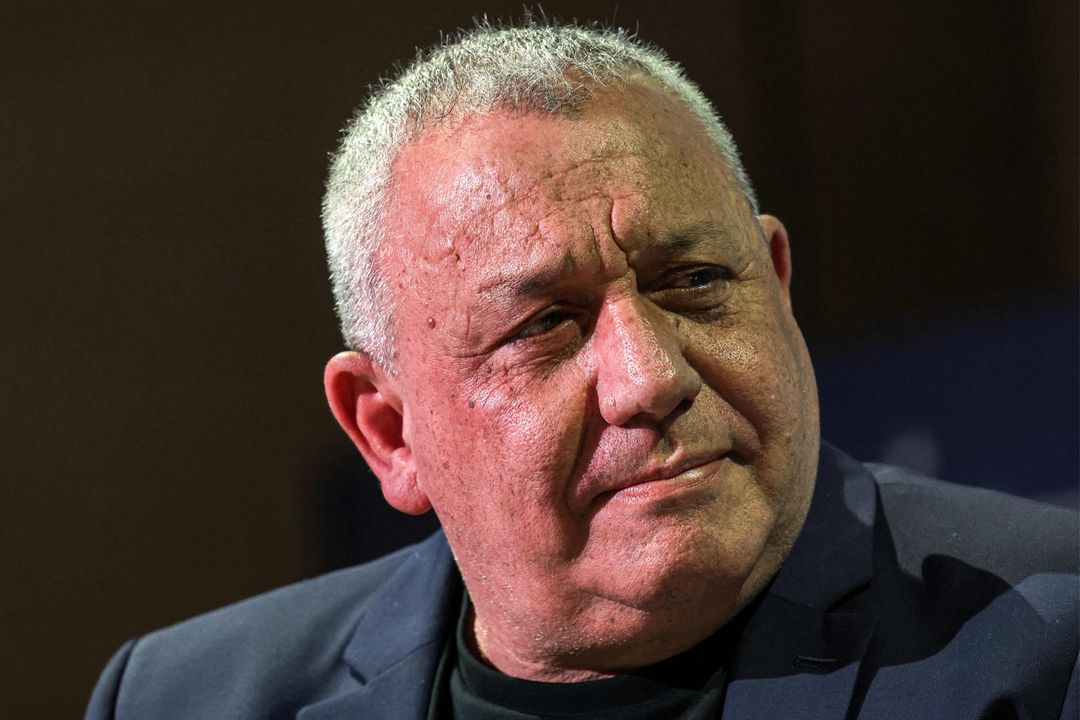
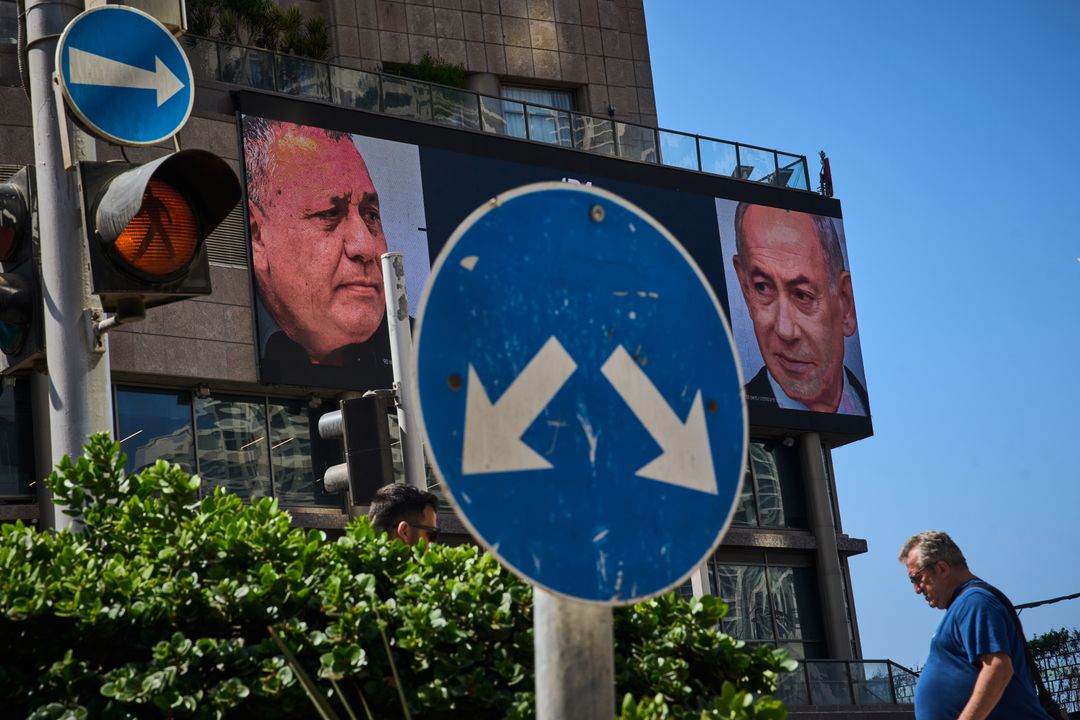
The main challengers include Gadi Eisenkot, a former military chief who leads the centrist Yashar party, and former prime minister Naftali Bennett, who heads the Together alliance with former premier Yair Lapid.
Former defence minister Avigdor Lieberman and Yair Golan, leader of the Democrats, are also key opposition figures.
Eisenkot has sought to position himself as a security-focused alternative to Netanyahu, despite his own hard-line record and role in the government’s war cabinet during Israeli genocide in Gaza.
Bennett, a former settler leader and right-wing nationalist, previously served as Netanyahu’s aide and has opposed Palestinian statehood while supporting Israel’s illegal settlement enterprise in the occupied West Bank.
Neither offers a break with the policies underpinning Israel’s oppression of Palestinians.
How do Israeli elections work?
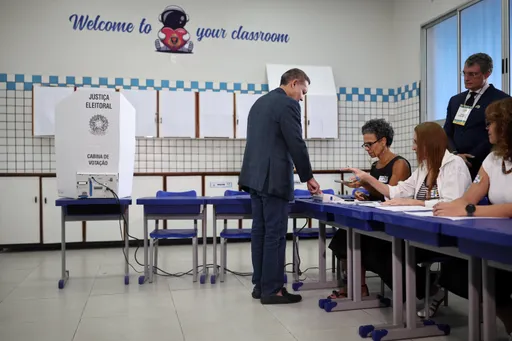
Israel uses a proportional representation system. Voters choose a political party rather than directly electing a prime minister, and seats are allocated broadly in proportion to each party’s share of the national vote.
A party must win at least 3.25 percent of the vote to enter parliament.


The leader who can assemble a governing majority then has the opportunity to become prime minister.
This gives smaller parties considerable influence. A party with only a handful of seats can determine who governs and what policies the government pursues.
Why do coalitions matter?
No single party has ever won a majority in Israel’s parliament.
Governments therefore depend on alliances between parties with different political, religious and economic priorities.
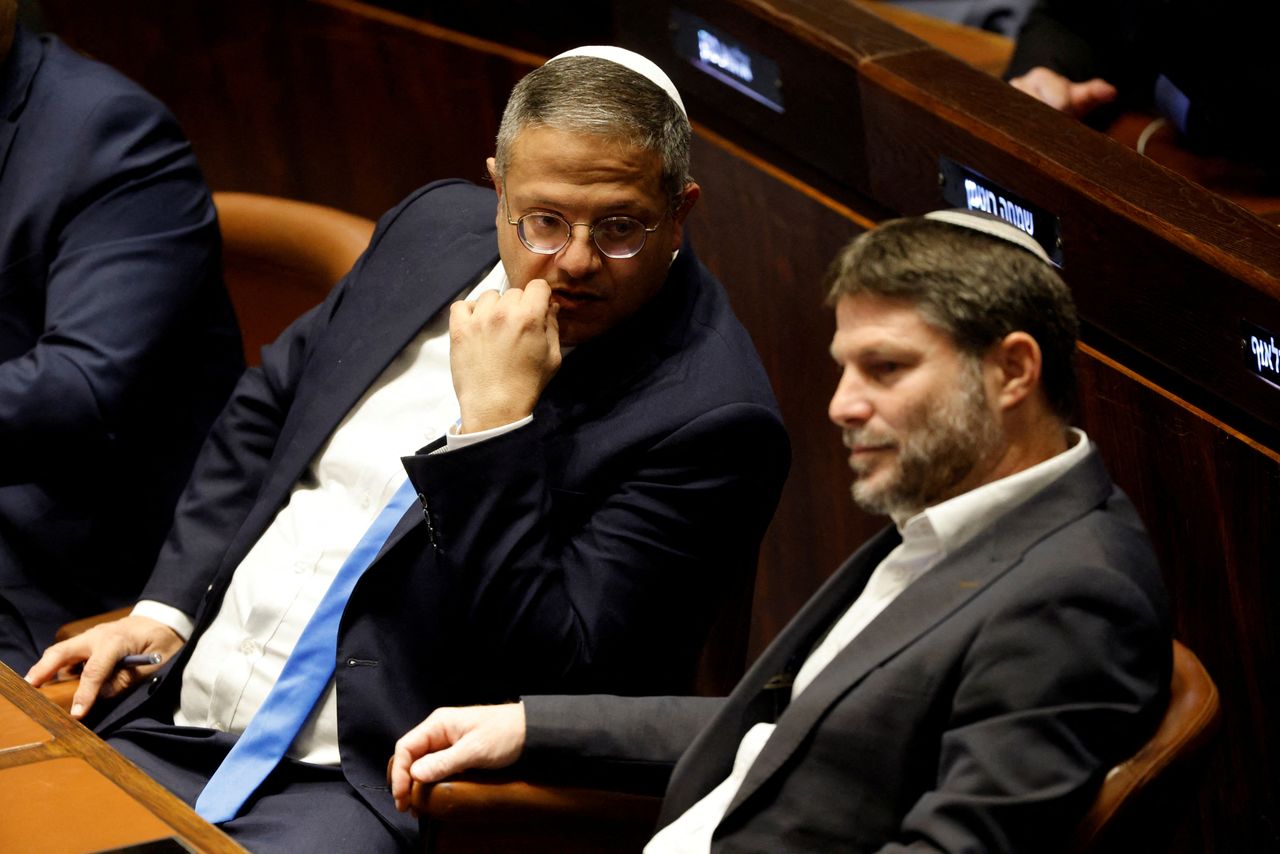
Netanyahu’s bloc relies on far-right parties led by Itamar Ben Gvir and Bezalel Smotrich, along with the ultra-Orthodox parties Shas and United Torah Judaism.
Both Ben-Gvir and Smotrich have advocated expelling Palestinians from Gaza and resettling the territory with Israelis.
Smotrich has also spearheaded the expansion of illegal Israeli settlements in the occupied West Bank and openly opposed Palestinian statehood.
Although neither is currently leading a rival bid for prime minister, both could retain considerable influence in a future government, including one led by another right-wing politician.
Mansour Abbas, leader of the Palestinian-led Ra’am party, could also prove pivotal. Abbas has signalled he would consider joining an opposition-led government, as his party did under Bennett in 2021.
However, most opposition leaders have ruled out a coalition with Arab-led parties.
What could the result mean for Palestinians?
For Palestinians, the election offers little prospect of a break with Israel’s occupation, illegal settlement expansion and denial of their right to self-determination.
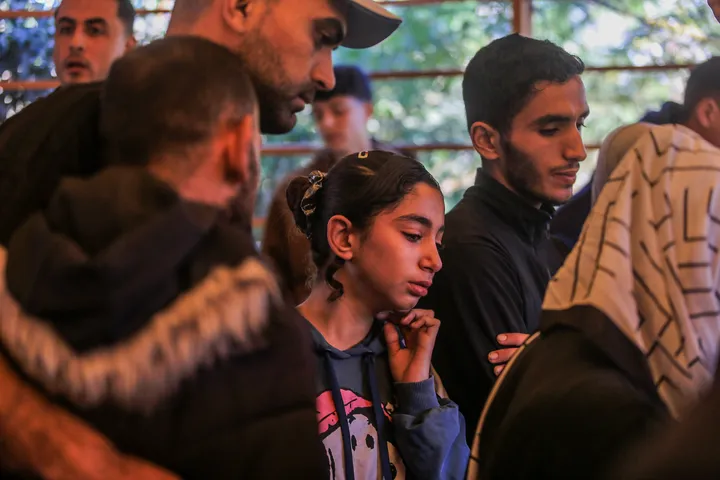
Netanyahu’s government has overseen the destruction of Gaza and the mass killing of Palestinians, while far-right ministers have openly called for their expulsion.
Yet his main rivals have also opposed Palestinian statehood, backed illegal settlements and supported policies that threaten Palestinians with further displacement and ethnic cleansing.
Palestinians in Gaza and those living under Israeli occupation in the West Bank, including occupied East Jerusalem, cannot vote in an election that will help determine their future.