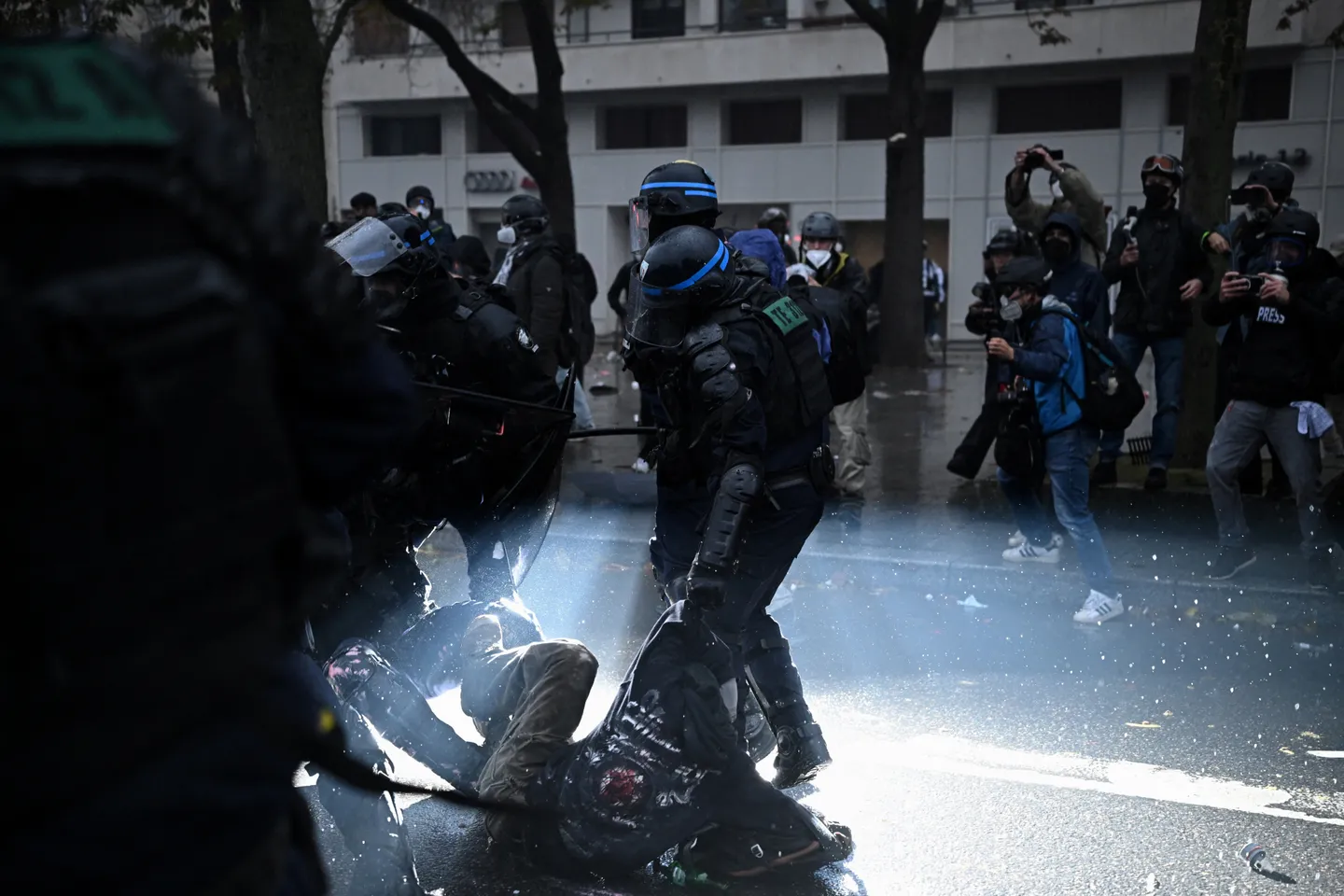
French protest groups and unions called on Sunday for further demonstrations as they sought to maintain pressure on the government after a huge security operation helped to contain unrest during nationwide rallies on Saturday.
The interior ministry said 410,000 people took part in Saturday's marches as authorities deployed 70,000 police, helping to avert a repeat of the looting and vandalism that swept many cities on October 17.
Labour leaders urged further protests next Saturday and a nationwide strike on November 5, saying frustration over wages, living costs and public services was spreading far beyond the student movement that first mobilised last month.
"We see an aggregation of anger," Murielle Guilbert, co-leader of the left-wing Solidaires trade union federation, told BFM TV. She said grievances from students, workers, firefighters and other groups were converging.
"We call on people to take to the streets next Saturday."
The SUD Education teaching union said it would join the October 31 demonstration while the large CGT union said it would decide during the week.
1,314 people arrested
French authorities arrested 1,314 people on Saturday, while 53 security personnel were injured, the interior ministry said Sunday.
The figures mark a significant decrease compared with the first day of mobilisation on October 17, when 2,628 people were arrested and 1,144 members of the security forces were injured, broadcaster BFMTV reported.
According to the ministry, 410,000 people took part in Saturday’s demonstrations across France, including 110,000 in Paris.
Trade unions, however, estimated nationwide turnout at nearly 800,000, with 250,000 protesters in the capital.
The ministry said 24 businesses were looted during the demonstrations, compared with 1,522 a week earlier, representing a decline of more than 98%.
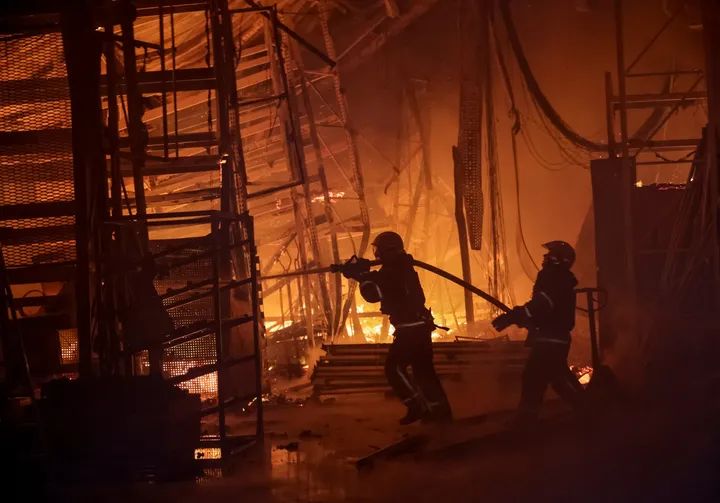
It also reported 75 fire-related interventions, down from 2,025 on October 17.
Macron’s scope to respond is minimal
The Yellow Vests, a grassroots movement that emerged in 2018 as a revolt against fuel taxes, also called for mass rallies next Saturday, including sit-ins outside town halls and the National Assembly.


"There is anger in this country. It's growing in schools and universities, on roundabouts, in neighbourhoods, on farms and in workplaces," activist Azelma Sigaux told reporters.
In 2019, President Emmanuel Macron was able to find the resources to reduce fuel costs in response to the Yellow Vests.
Seven years on, strained public finances leave him with little room to meet protesters' demands. His mandate also expires next April and his centrist party no longer has the majority needed to pass major legislation.
The government has begun talks with unions and student representatives to try to defuse the crisis, but protest leaders say the measures it has proposed so far are inadequate.
"We have received no response at all from this government," said Guilbert.
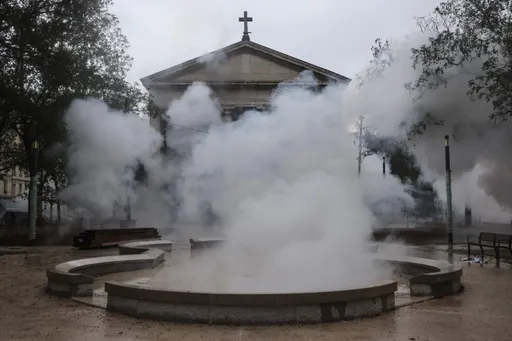
Police unions said on Sunday they did not have enough staff to maintain for any length of time the high level of deployment that on Saturday helped to limit disorder to sporadic clashes in a number of cities, including Paris and Marseille.
Some 1,314 people were arrested on Saturday, half of last week's numbers, the interior ministry said on Sunday, and about 50 police were injured, compared with more than 1,000 last week.
The protests have resonated beyond France's borders.
On Saturday, Belgian police used tear gas and pepper spray as they clashed in Brussels with anti-government demonstrators.
In Albania, peaceful protests that began at the end of May this month turned into violent unrest, and skirmishes have taken place in several Italian cities for a second week running.