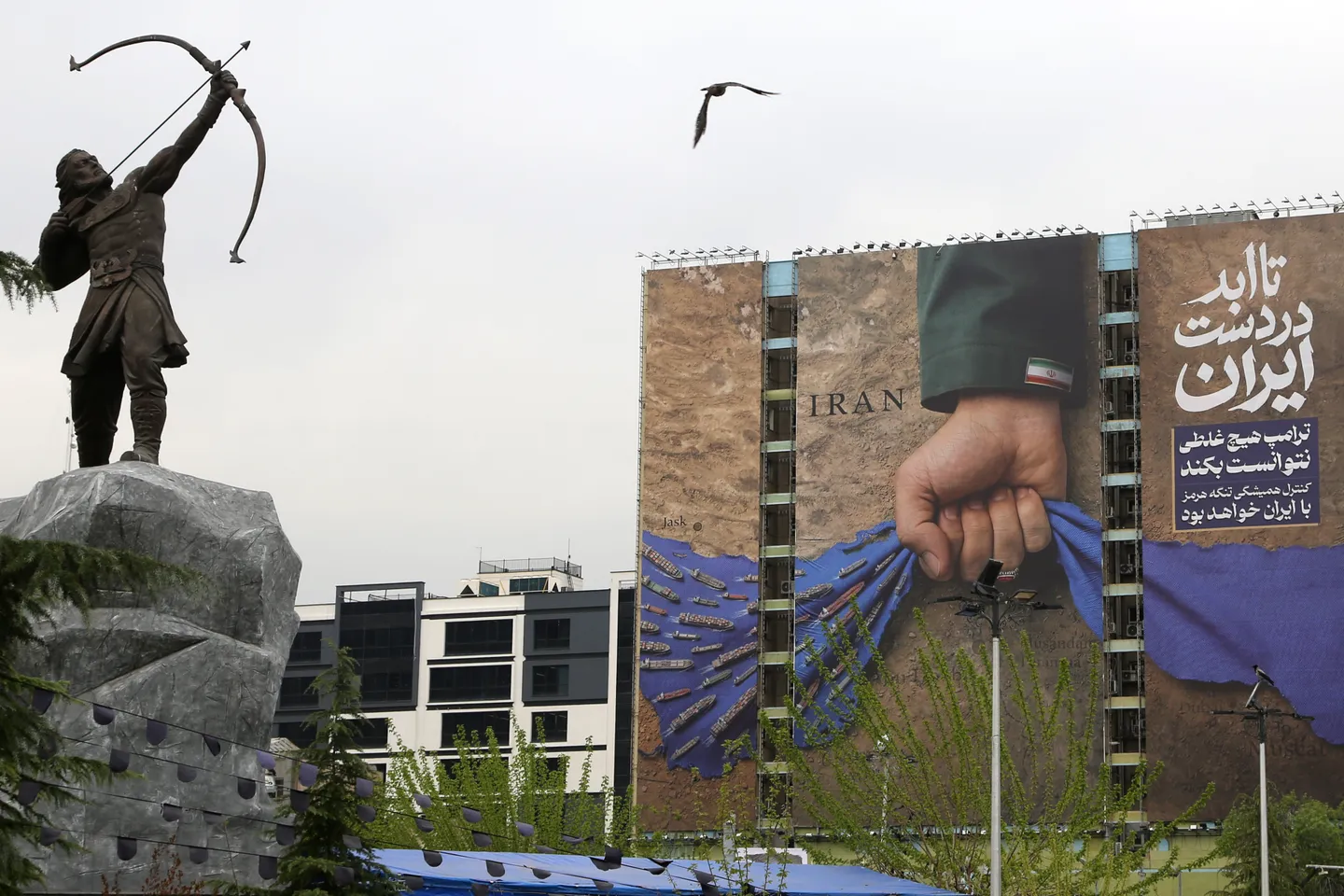
 Murat Sofuoglu
The 60-day ceasefire agreed under the Iran-US memorandum of understanding expired on Monday without an extension, raising fears that the conflict could enter a more dangerous phase.
As US President Donald Trump continues to demand complete “surrender” from Iran, Tehran has recently signalled a major shift in strategy. Rather than focusing on defending its territory, Iranian officials say the country is ready to adopt what they describe as a “fully offensive” posture, potentially expanding attacks against US assets and allies across the Middle East through both its own forces and its regional partners.
"Iranian entities must be prepared to escalate tensions in the Strait of Hormuz and wider region, as Iran will be ready to make decisions and take action on difficult decisions," an Iranian official told Reuters in a recent interview.
Analysts say growing evidence suggests this shift is already underway, both in Iran’s military operations and within its political and security establishment.
Mohammed Eslami, a political scientist at the European University Institute, argues that "the shift towards a more offensive approach has already taken place both practically and institutionally" within Iran's political system.
On the institutional level, Eslami points to Supreme Leader Mojtaba Khamenei's recent appointments of senior military figures to key security posts left vacant since the war earlier this year.
Among the appointments was former IRGC commander Mohsen Rezaee, who was named Khamenei's representative on the Supreme National Security Council before later becoming its secretary under President Masoud Pezeshkian. Rezaee, who commanded the IRGC against Iraqi forces during the 10-year-long military conflict, advocated the continuation of the war against Baghdad.
While Western media outlets have portrayed Rezaee’s appointment as a hardliner promotion, his predecessor, Mohammad Bagher Zolghadr, a former IRGC general, was also described as a hardliner.
The Economist called Zolghadr an "IRGC apparatchik" who advocated giving the IRGC more power in the face of US-Israeli attacks on Iran.
But Eslami also views Rezaee’s promotion, alongside other appointments, as a sign of an institutional shift toward a prolonged war.
“And practically, we can see that during the past week there has been no attacks on Iran but Iran has attacked on multiple ships in the Persian Gulf and conducted several drone attacks in Iraq,” he tells TRT World.
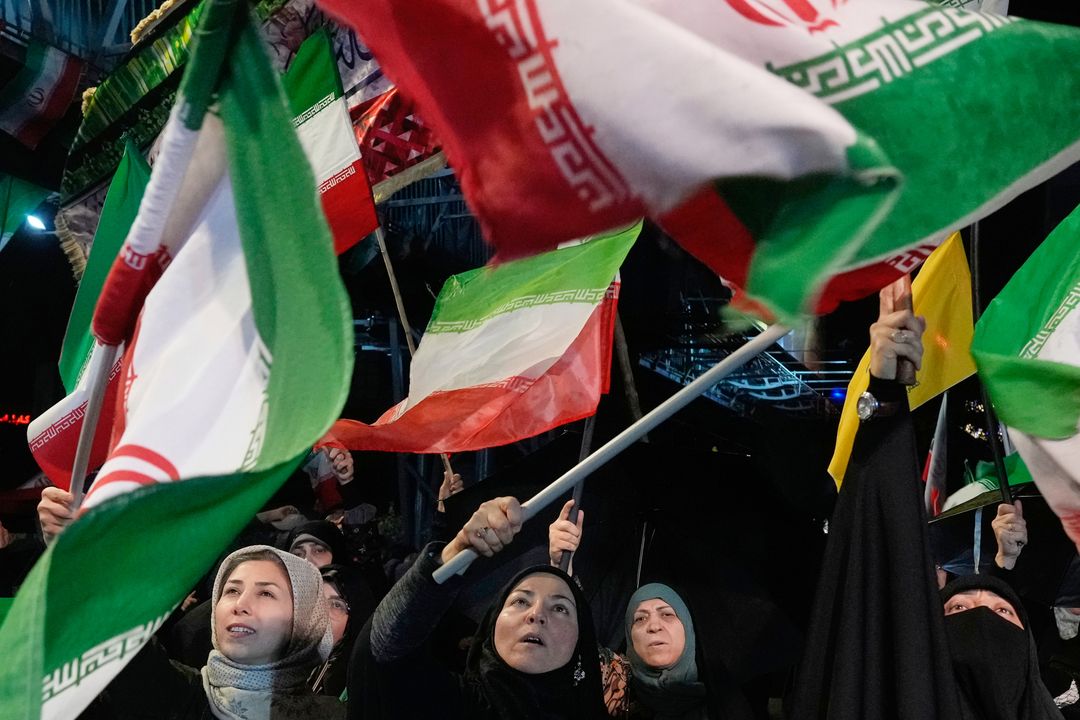
Expanding the war front
If Iran is shifting from defence to offence, analysts say it is unlikely to do so through a direct conventional war with the United States. Instead, Tehran is expected to widen the conflict, forcing Washington to defend multiple fronts simultaneously.
While Iran has traditionally relied on strategic patience and deterrence, recent military and political developments suggest it may now be more willing to impose costs on the United States rather than simply absorb them.
Under the leadership of Mojtaba Khamenei, Iran has already adopted a more confrontational posture, engaging in direct exchanges with both the United States and Israel since February, marking a departure from the more cautious approach associated with his father.
Esam Alahmadi, a Yemeni political analyst and a PhD researcher in sociology at Selcuk University, argues that Tehran is likely to rely on the tools it has spent decades developing: missiles, drones and its network of regional allies.
Rather than confronting Washington directly, Iran could resume attacks on US military bases, target American naval assets and encourage groups such as Yemen's Houthis to intensify operations around key maritime chokepoints, increasing pressure from the Strait of Hormuz to the Bab el-Mandeb.
“Any potential Iranian offensive should be understood as an attempt to shift the war from Iranian territory to the surrounding regional environment from the Gulf states to Yemen. Through its missiles, drones, and network of allies, Tehran can force the United States to deal with multiple fronts simultaneously,” Alahmadi tells TRT World.
According to Alahmadi, the objective would be less about defeating the United States militarily than raising the political, economic and military costs of a prolonged conflict.
Financial markets also appear to be pricing in the risk of a broader regional conflict.
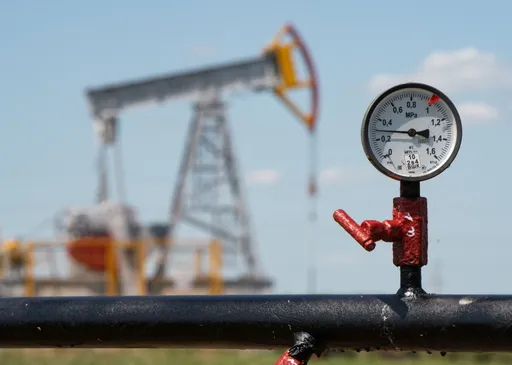
Global stocks fell, government bond yields climbed, and oil prices rose to their highest levels in weeks after the US-Iran ceasefire expired and Tehran signalled a more offensive military posture, reflecting growing investor concerns over prolonged disruptions around the Strait of Hormuz
That strategy could also include attacks on US naval vessels operating near Iranian waters, signalling that maintaining military and commercial traffic through the Strait of Hormuz comes at an increasingly high cost.
With this strategy, Iran might also aim to disperse US forces across the Gulf, Iraq, the Red Sea, and Israel, forcing the Trump administration to ensure the security of the maritime corridors from Hormuz to Bab el-Mandeb, which handle roughly 30 to 35 percent of global trade.


“Tehran may be betting on a war of attrition and on increasing the cost of the war on the US rather than seeking a direct military victory. If US forces and interests, as well as international maritime navigation, become vulnerable, Iran can attempt to move from being the party receiving strikes to being the party capable of imposing corresponding costs,” Alahmadi says.
Iran doesn't need to destroy US naval power entirely. Even a single damaging attack on a US vessel in the region could spread widely, unsettling many Americans at home.
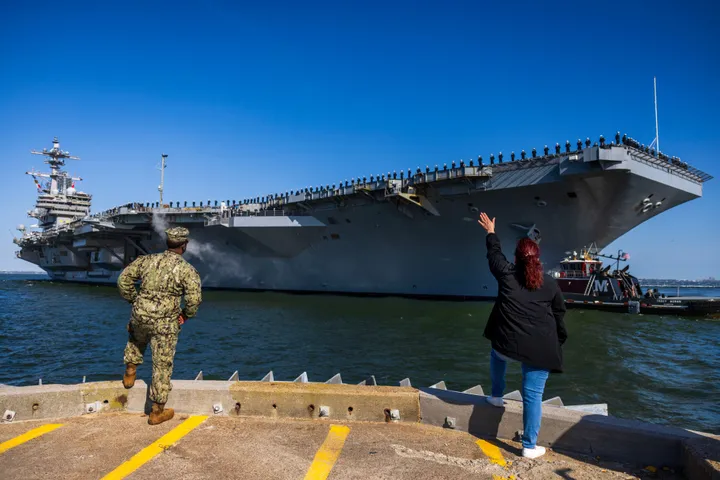
Recently, American media reported concerns from the families of US troops deployed on the USS Abraham Lincoln, an aircraft carrier that faced various problems during its long deployment in the Arabian Sea, including water shortages and troop fatigue. The carrier has now left the region, replaced by USS George Washington.
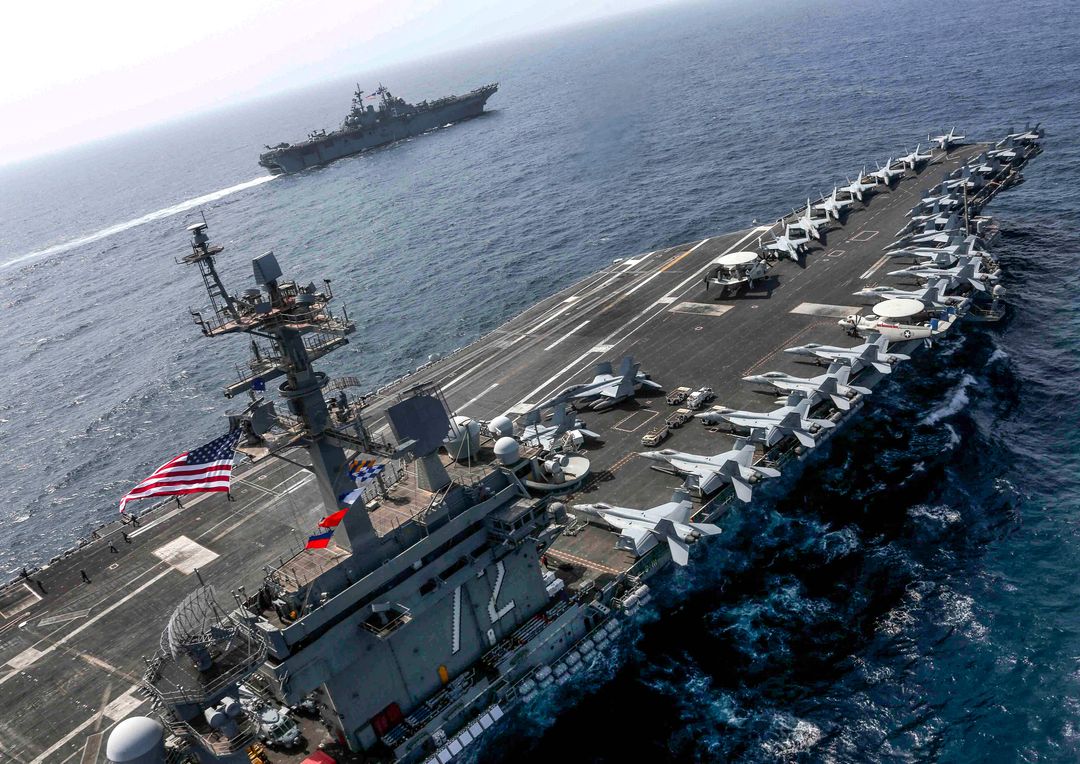
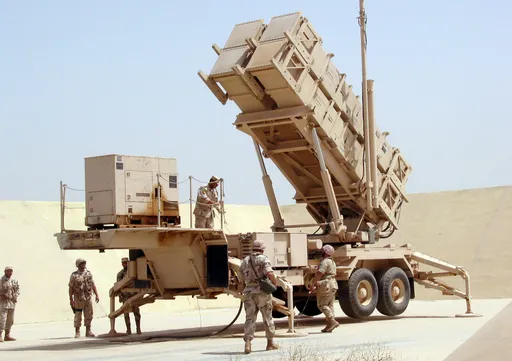
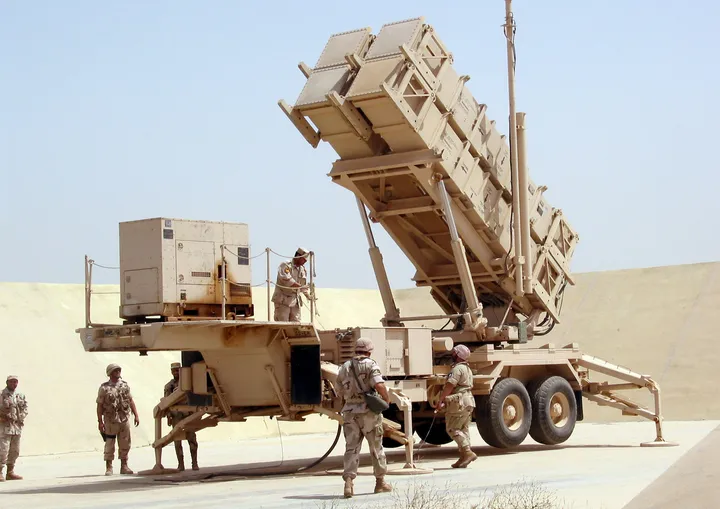
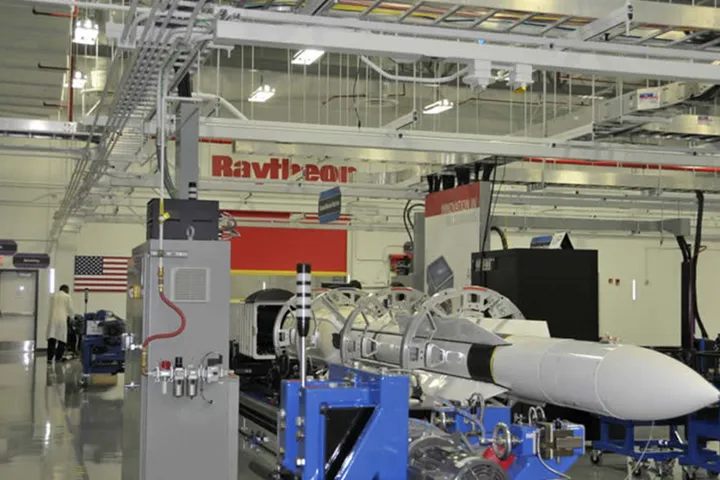
The US is also depleting crucial munitions, from Patriots to THAADs, as the Iran conflict has significantly consumed American missile stocks, with replacements expected to take years.
Raising the cost of war
Analysts say Tehran’s increasingly offensive posture is intended to achieve more than military gains. By expanding the conflict, Iran hopes to strengthen its leverage both at home and abroad.
On the regional level, the objective is to raise the political and military costs for Washington while reinforcing Iran's long-standing goal of reducing the US military presence across the Middle East.
"Well, the US has already started leaving the region. They have evacuated some of the bases in the region as they also want to leave Iraq completely in the upcoming months. This is enough for the media that Iran defeated the US in the region," Mohammed Eslami tells TRT World, referring to reports that Washington is considering relocating some military assets from Gulf states.
He argues that Iranian leaders also believe time favours Tehran.
"They believe with their heart that the war would end soon as the US is not capable of fighting more."
According to Eslami, Tehran hopes a prolonged conflict will force Washington to make increasingly difficult choices about deploying strategic weapons stockpiles that it might otherwise need in a future confrontation with China.
"They think the US wouldn't risk using more munitions against Iran and remain empty-handed against China."
The strategy also serves an important domestic purpose.
Like Eslami, Yemeni political analyst Esam Alahmadi argues that a prolonged confrontation lets Iran's leadership redirect public attention away from economic hardship and toward external threats.
"Any attack carried out by Iran on the US could become an opportunity to manage the domestic crisis. Under such circumstances, the leadership could use the war to reorder the domestic political narrative: instead of protests, economic problems, public services, and prices being the priority, the defence of the state against external aggression becomes the priority," Alahmadi says.
Eslami believes that narrative is already taking shape.
He says the leadership is increasingly portraying the shift from defence to offence as proof that Iran has emerged stronger despite months of conflict.
The risks of escalation
But analysts caution that a more offensive strategy could also be far harder to control.
The wider the conflict spreads, they warn, the greater the chance that Iran's regional allies could trigger a military response beyond Tehran's calculations.
"The more the war expands, the greater the possibility that Iran will cross a threshold beyond which Washington can no longer contain the escalation," Alahmadi says.
He warns that simultaneous escalation in the Strait of Hormuz, the Bab el-Mandeb, Iraq and the Gulf could leave the United States confronting multiple battlefronts across the region.
At the same time, such a strategy carries significant risks for Tehran itself.
"If escalation in the Strait of Hormuz coincides with Houthi escalation in the Bab el-Mandeb, attacks on US forces in Iraq and the Gulf states, and pressure on Israel, the US would find itself facing a geographically dispersed war,” Alahmadi tells TRT World.
"If an Iranian attack results in the deaths of a large number of US personnel or the sinking of a US vessel, the American response could be extremely severe and could potentially target Iran's military, economic, and oil infrastructure on a much broader scale."