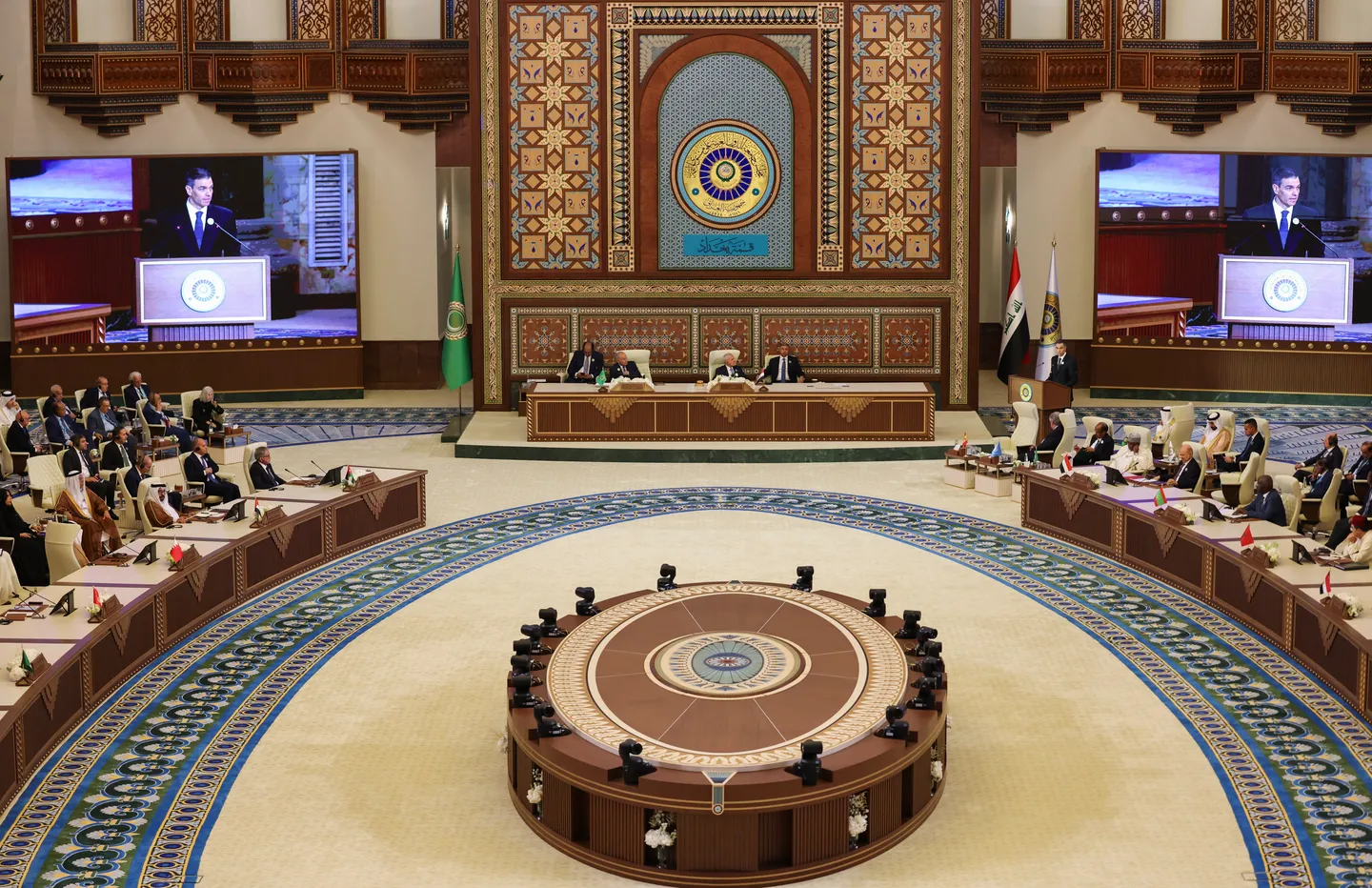
The Arab League has strongly condemned the ongoing Israeli attacks on southern Lebanon, which have resulted in civilian deaths, warning that the escalation threatens to undermine efforts to resolve the conflict and end the occupation.
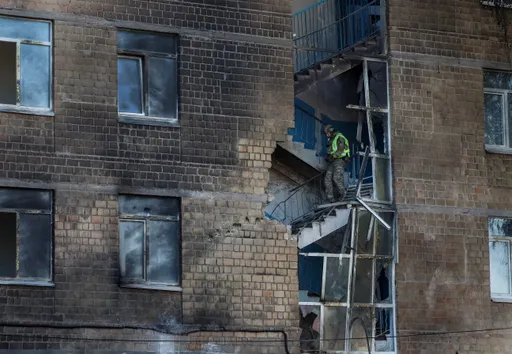
Earlier on Saturday, Lebanon announced that at least 11 people had been killed and 19 others injured, including children and women, in Israeli air strikes targeting towns in the south, despite a ceasefire agreement reached on April 17.
In a statement, the spokesperson for the Arab League secretary-general said the Israeli attacks targeting civilians in Nabatieh and neighbouring villages and towns constituted "a blatant violation of Lebanon's sovereignty and a dangerous escalation that threatens to derail any efforts aimed at resolving the ongoing conflict and ending the occupation."
The statement added that "these Israeli policies and practices blatantly expose the occupation's intentions to prolong the confrontations, obstruct negotiations, and impose a new reality on the ground that is completely unacceptable and rejected."
Calls for international intervention
The Arab League warned of the danger of the situation sliding into broader confrontations unless the international community, particularly the United States, intervenes "to immediately stop the Israeli war machine and compel Israel to comply with UN Security Council Resolution 1701."
The pan-Arab organisation reiterated its solidarity with Lebanon and its people, affirming full support for the Lebanese state in confronting "all attacks targeting Lebanon's security, stability, sovereignty, and civil peace."
Since dawn on Saturday, Israel intensified its attacks on southern Lebanon.







Israeli warplanes struck a house in Ansar and a two-storey building in Deir al-Zahrani in the Nabatieh district.
The Israeli army also shelled the Ali al-Taher hill area with phosphorus munitions and carried out two air strikes near the Teachers' Training Institute and the Husseini Club in Nabatieh al-Fawqa.
The Israeli military claimed the strikes answered an "action" by Hezbollah against its forces in the Ali al-Taher hills within what Israel designates its "security zone."
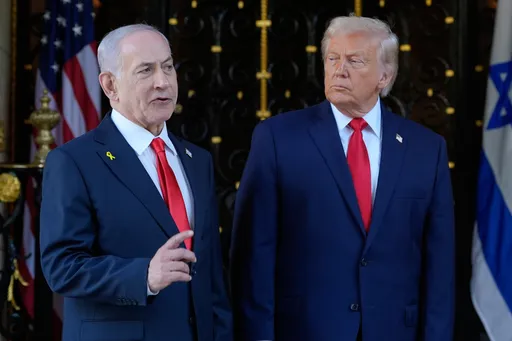
Hezbollah said the escalation reflects Benjamin Netanyahu's aim to "escalate the war in order to strengthen his domestic political position."
The escalation comes despite a "framework formula" signed on June 26 for gradual Israeli withdrawal.
Israel occupies areas in southern Lebanon, advancing more than 10 kilometres into Lebanese territory during the attack.