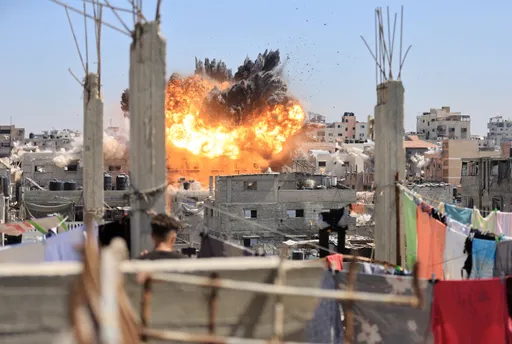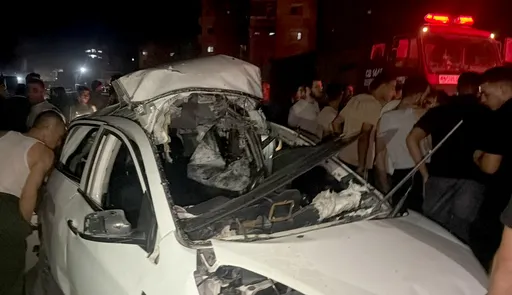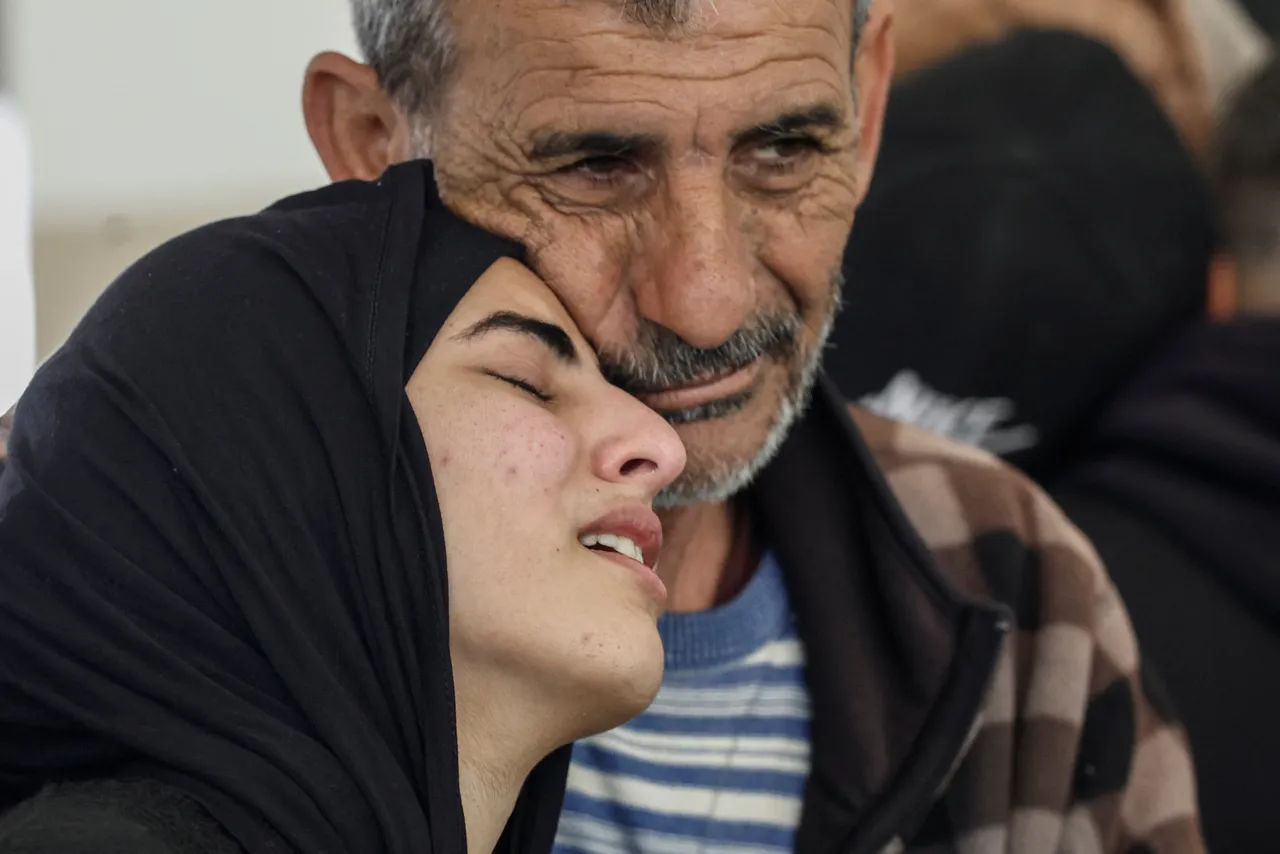
Lebanon's health ministry has said that the death toll from Israeli strikes across the country two days earlier rose to 357, up from a previous count of 303, while it said 1,223 more people were wounded.
"The toll is still not final, due to the ongoing removal of rubble and the presence of a large amount of human remains" requiring DNA testing, the ministry said in a statement on Friday, after Israel's massive strikes on Wednesday.
The ministry also raised the overall toll in Lebanon since the war in Lebanon erupted on March 2 to 1,953 dead and 6,303 wounded.
Earlier today, the ministry said that the Israeli air strikes have killed at least 28 people across Lebanon on Friday, including 13 security personnel.
In Nabatieh, strikes near a government complex and a State Security office caused extensive destruction, killing 13 security personnel on Friday.
Lebanon’s State Security is a national intelligence and internal security agency tasked with countering threats, espionage and terrorism, as well as protecting senior officials.
In the southern town of Deir Qanoun Ras al-Ain, two people were killed in a drone strike targeting the Sammaaiyeh area. Another strike on the town of Qana killed one person and injured another, while a separate attack on Hanouiyeh left one dead and one injured.
Arnoun municipal member Ali Abdul Latif Ghaith was killed, and his son was wounded in Kfar Tebnint when a drone strike hit the building where they were staying. Two other people were killed, and another was wounded in the town of Sohmor. Another civilian was also killed in a drone strike while riding a motorcycle near the Al-Mahdi schools junction in the town of Al-Sharqiyah.
In the town of Jbaa in southern Lebanon, six people were killed in an Israeli air strike, while another person was killed in a separate strike on the town of Ansar in eastern Lebanon’s Bekaa region.
‘Largest, most devastating’ attacks
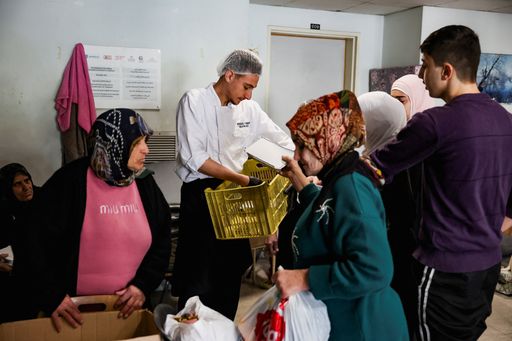
Meanwhile, the UN refugee agency warned that Lebanon is facing a worsening humanitarian crisis following what it described as the most intense Israeli strikes in the current conflict.
UNHCR spokesperson Eujin Byun told reporters in Geneva that "the largest and most devastating Israeli attacks of the current conflict (were) carried out on 8th of April, (and) around 100 locations were hit within 10 minutes with no warnings, including densely populated neighbourhoods in Beirut, already sheltering thousands of displaced people."
She said areas once considered safe were hit, "triggering panic and forcing people to flee for the second or third time," while damage to key infrastructure, including the Qasmiyeh Bridge, has further restricted movement between the southern and northern regions.
"Return is no longer possible, as the entire community have been partially or completely destroyed," Byun added, noting that about 150,000 people remain in southern Lebanon with limited humanitarian access.
Humanitarian access to them is "essential," and they need a safe route to flee if they are forced to again, the spokesperson urged.
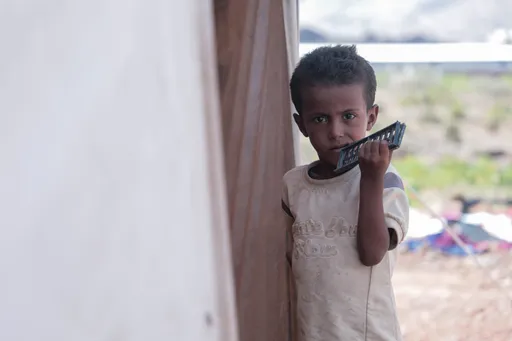
"Humanitarian needs are rising sharply. Access to affected people is increasingly constrained,” she said as over 680 shelters hosting about 140,000 displaced people are severely overcrowded, and "nearly half of Lebanon’s public schools are now functioning as shelters," leaving children out of class and "grappling with fear, anxiety and repeated displacement."