 Togrul Ismail
For decades, the European Union has sought to position itself as a unique geopolitical actor, combining economic strength with a coherent and unified foreign policy.
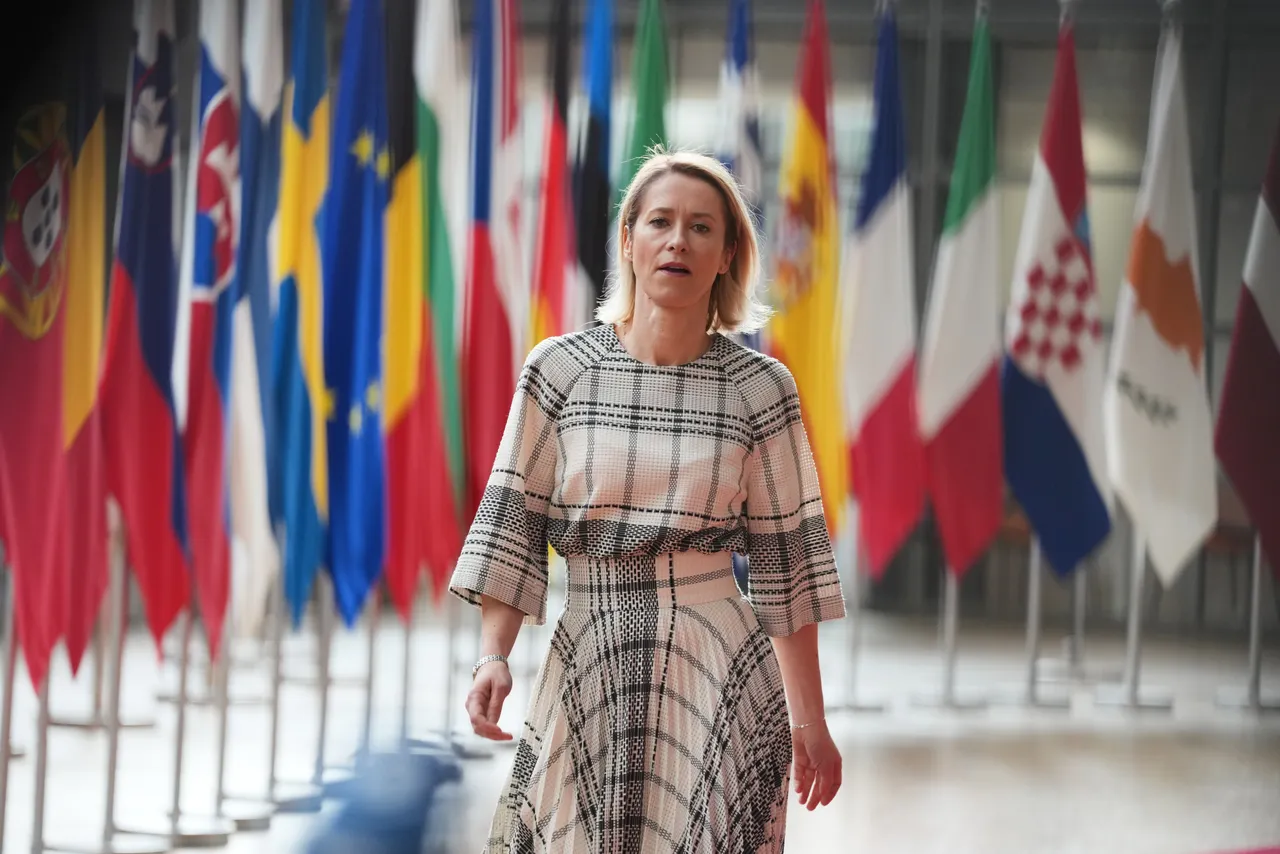
However, recent discussions in Brussels, Paris and Berlin about reducing EU foreign policy chief Kaja Kallas’s powers and shifting responsibilities indicate a deep crisis in the bloc’s foreign policy model.
The debate was sparked by proposals from France and Germany to overhaul the EU's foreign policy architecture.
The future role of the EU's diplomatic service—which operates a network of more than 140 delegations worldwide—has also come under scrutiny.
Proponents of reform argue that the current structure is burdened by overlapping responsibilities and no longer reflects today's geopolitical realities.
Critics, however, warn that such changes could further erode the bloc's ability to speak with a single voice on foreign affairs.
More than a bureaucratic reshuffle, the debate reflects a deeper reassessment of the idea of "strategic unity"—a principle that has been central to European integration since the end of the Cold War.
The roots of this crisis have been building for years, but recent events have exposed them more clearly than ever.
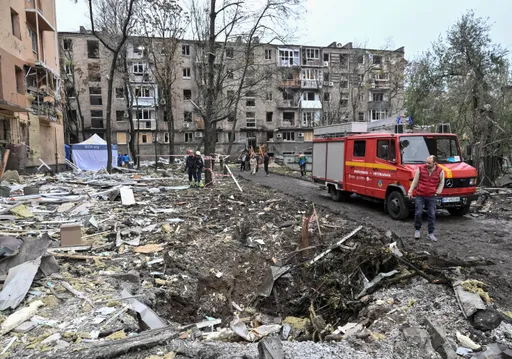
The war in Ukraine, turmoil in the Middle East, intensifying US-China rivalry, energy insecurity and growing global competition have all highlighted the EU's difficulty in responding swiftly and effectively as a unified political actor.
While the European Union formally maintains a common foreign and security policy, major decisions continue to be driven largely by its most influential member states, particularly France and Germany.
As a result, the current debate appears less like a technical reform effort and more like an acknowledgement of the structural limitations of the existing system.
At the heart of the problem lies a longstanding contradiction within the EU's foreign policy framework. Brussels has sought to centralise diplomacy, strengthen common institutions and project a unified stance on international affairs.
Yet member states have never been fully prepared to relinquish control over foreign policy and security matters—especially larger powers with significant historical legacies, military capabilities and geopolitical ambitions.
France has long viewed itself as an independent global power with strategic interests extending well beyond Europe.
Germany, while traditionally more cautious in its foreign policy approach, has also sought to play a leading role in shaping the continent's strategic direction.
As a result, the EU often finds itself constrained by the competing national priorities of its member states—a challenge that recent crises have only intensified.
The war in Ukraine has perhaps most clearly exposed the limits of a unified European foreign policy. Despite repeated declarations of solidarity, significant divisions emerged within the bloc over sanctions, military assistance, energy policy and the future of relations with Russia.
Poland and the Baltic states consistently advocated a harder line, while others favoured maintaining at least limited channels of dialogue with Moscow and adopting a more cautious approach to certain policy decisions.
Consequently, many of the most consequential strategic choices were shaped not by EU institutions themselves, but through coordination among leading member states and NATO under US leadership.
A similar pattern has emerged in the Middle East. The EU has struggled to formulate a coherent position on the Israel’s war on Gaza, with some member states offering unwavering support for Israel while others have called for stronger criticism of Israeli actions and greater protection of Palestinian rights.
As a result, Brussels often appears less like an independent foreign policy actor and more like a forum for managing internal disagreements.
It is against this backdrop that proposals to reform the EU's foreign policy architecture should be understood. France and Germany are, in effect, seeking to align the system more closely with political realities.
While the stated objective is to improve decision-making and reduce bureaucratic inefficiencies, the reforms would also likely consolidate the influence of the bloc's largest and most powerful member states.




The principal beneficiaries of such reforms would likely be Europe's leading powers. Weakening the bloc's centralised diplomatic structures would naturally create greater room for national initiatives from Paris and Berlin.
For the European Commission, by contrast, the changes could entail a partial loss of political influence. Member states would gain greater freedom to pursue their own foreign policy agendas, using EU institutions primarily as mechanisms for coordination rather than direction.
That said, it would be premature to describe these developments as the dismantling of the EU's common foreign policy.
Rather, they point to a shift toward a more flexible model in which collective strategic goals coexist with greater autonomy for individual member states.
While such an arrangement could prove more pragmatic and responsive, it also carries the risk of deepening fragmentation within the bloc.
The implications for Europe's relations with major global powers are particularly significant.
While the EU is likely to maintain its firm stance toward Russia, debates over the eventual restoration of dialogue are expected to intensify.
Economic pressures, energy concerns and growing public fatigue with prolonged confrontation may encourage some European policymakers to adopt a more pragmatic approach.
Europe's relationship with China presents an even more complex challenge. The EU increasingly finds itself balancing between two competing centres of global power: the United States and China.
While European governments remain committed to their strategic partnership with Washington, many of the bloc's economies remain deeply intertwined with the Chinese market.
This tension has fuelled growing divisions between those advocating stricter limits on Chinese influence and those favouring continued economic engagement.
For the United States, reforms to European diplomacy would present both opportunities and challenges. Washington has long encouraged Europe to assume greater responsibility for its own security and global affairs.
At the same time, a system that empowers national governments at the expense of central EU institutions could complicate coordination within the Western alliance.
Historically, the US has often found it easier to engage with unified European structures than with a collection of individual national actors pursuing distinct agendas.
The challenge is even more pronounced in the Global South. Across parts of Asia, Africa and Latin America, the EU is increasingly viewed not as an independent geopolitical actor but as an extension of the broader Western political order and closely aligned with US strategic priorities.
This perception limits Brussels' ability to position itself as a neutral mediator. Moreover, accusations of double standards—particularly regarding international law and humanitarian crises—have undermined the bloc's credibility in many regions.
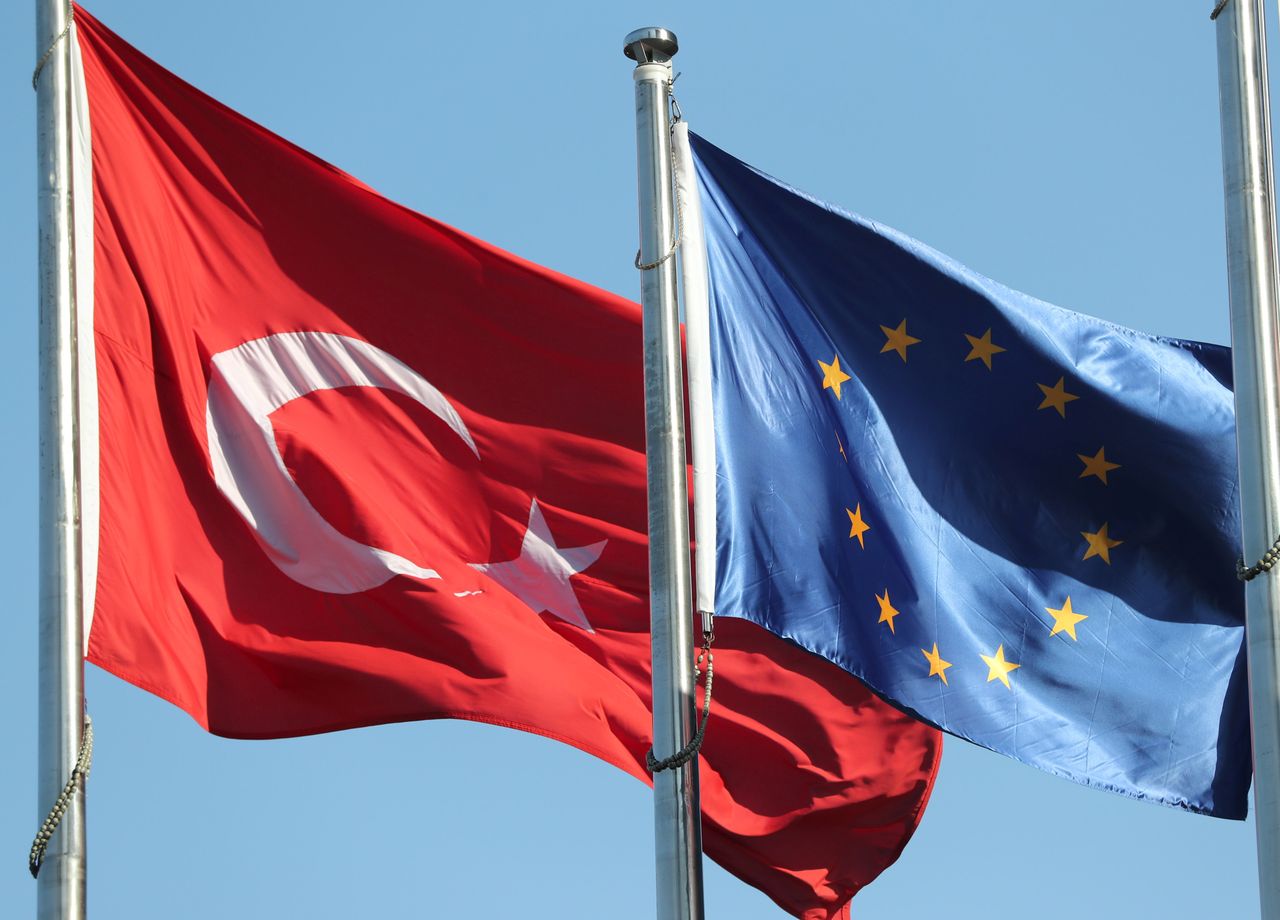
From Türkiye's perspective, these developments are hardly surprising. Ankara has long argued that European foreign policy is constrained by structural contradictions and that major decisions are often shaped less by common principles than by the interests of individual member states and domestic political considerations.
The current debate merely makes these longstanding tensions more visible.
For Türkiye, a more decentralised European foreign policy presents both risks and opportunities. On the one hand, a greater role for national governments could facilitate stronger bilateral ties with key European capitals.
On the other hand, a more fragmented EU may make it harder to maintain a coherent strategic dialogue with Europe as a whole.
Ultimately, the debate unfolding within the European Union reflects a broader transformation in international politics. The era of liberal universalism is giving way to one characterised by intensifying geopolitical competition and the renewed primacy of national interests.
Faced with this changing landscape, the EU is being forced to adapt its institutions and decision-making structures to preserve both its internal cohesion and its relevance on the global stage.
This article was first published on TRT Russian.