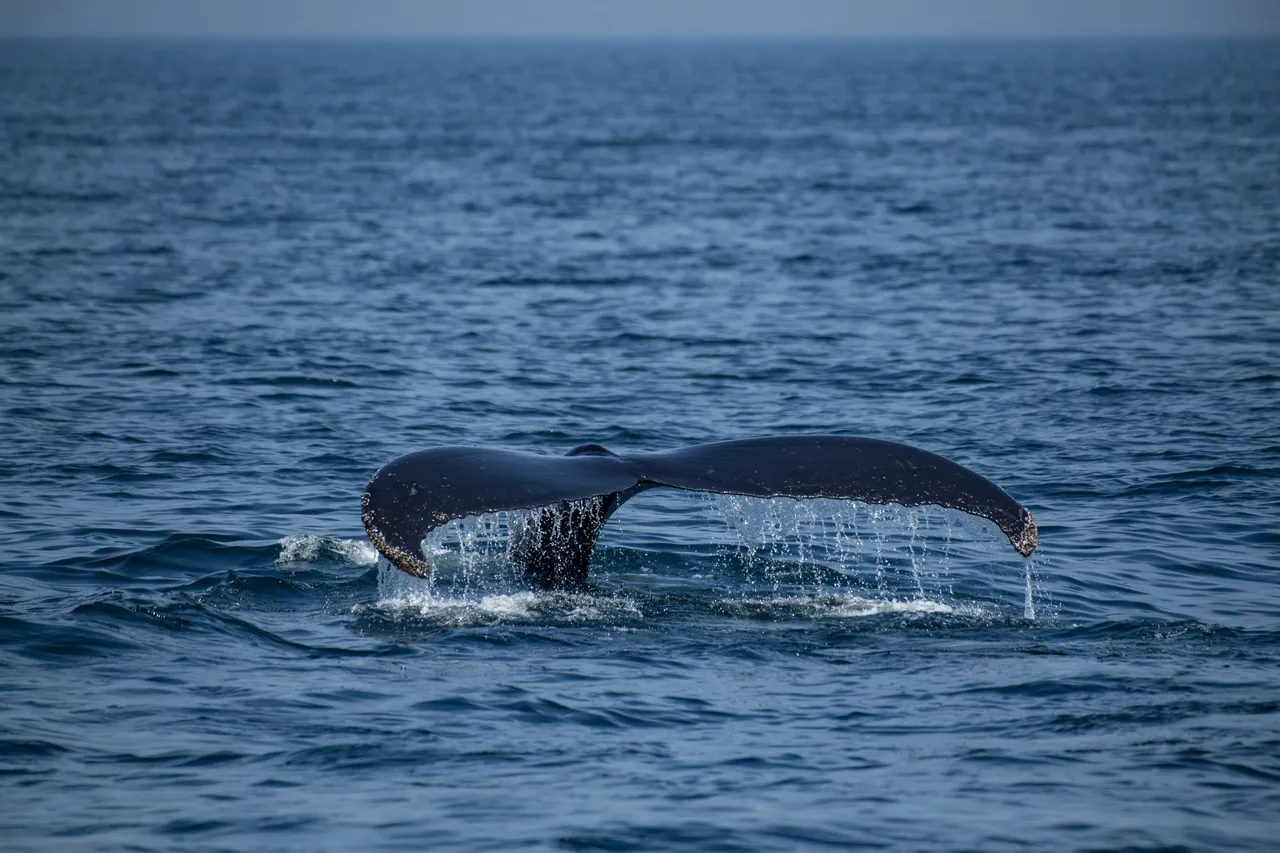
Scientists have discovered what is believed to be the world's largest whale graveyard, off the coast of Australia, with bodies dating back millions of years, according to a new study.
The vast whale necropolis was found in the Diamantina Zone, at depths of 4,616 to 7,001 metres, stretching about 1,200 kilometres across the seafloor of the southeastern Indian Ocean, according to research published on Wednesday in the journal Nature.
Researchers identified an extensive accumulation of whale remains, including five modern whale-fall communities — a deep-sea ecosystem that forms around a whale carcass — and 476 fossil cetaceans.
The fossil record in the area includes both extant and extinct deep-diving beaked whales.
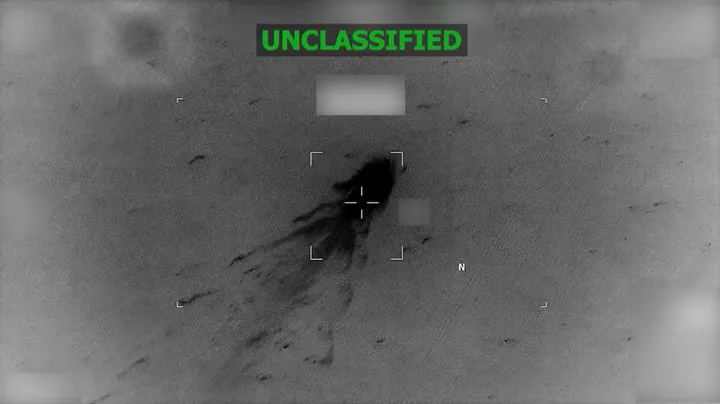





The carcasses date back as far as 5.3 million years ago, based on dating calculated from atomic isotopes, the study said.
The study of the zone offers insights into the origins, paleoecology, and population dynamics of beaked whales from the Pliocene era to the present day, the researchers said.