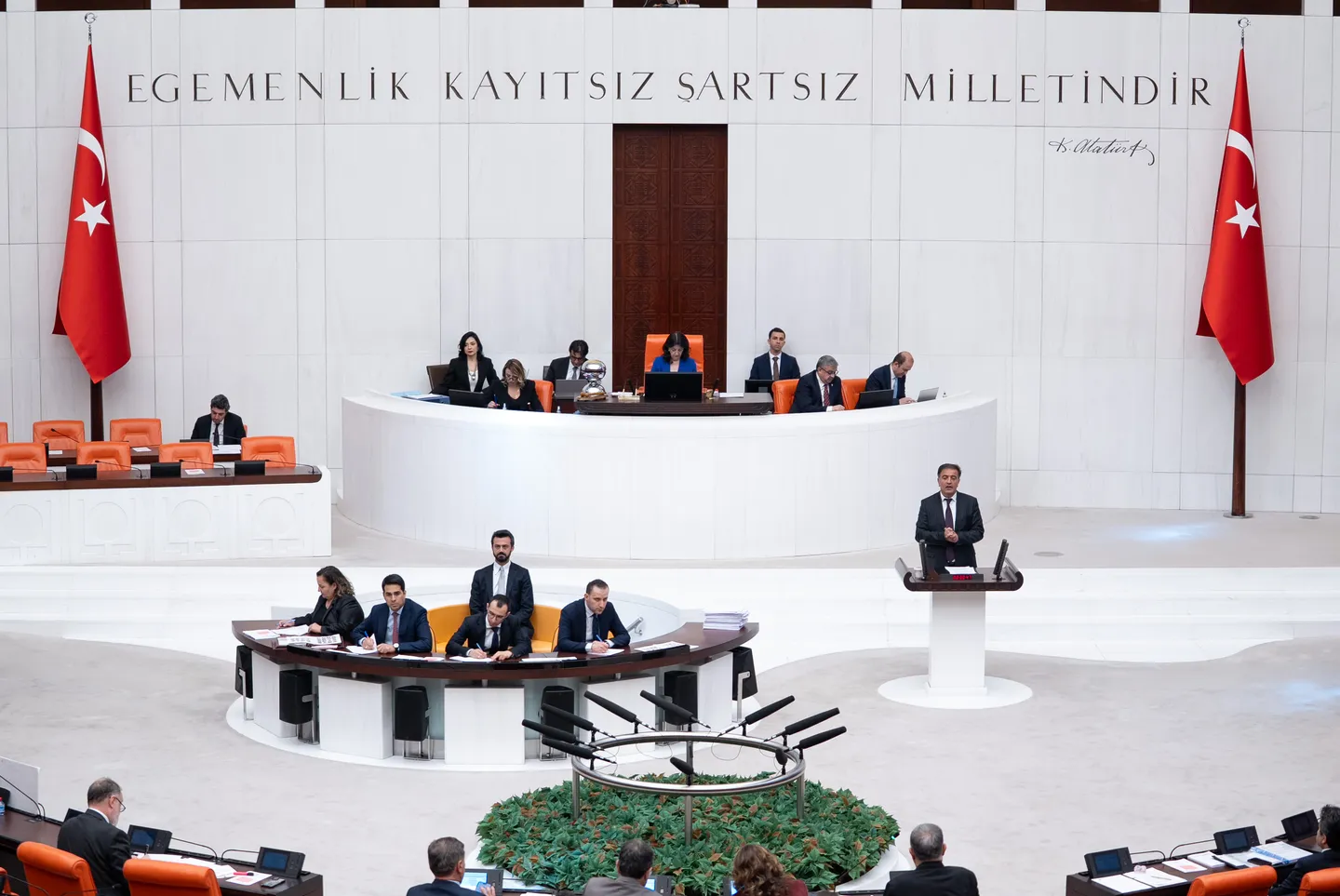
Türkiye's proposed Bill on Strengthening National Solidarity and Social Cohesion, submitted to parliament on Wednesday as part of the government's "Terror-Free Türkiye" initiative, introduces a conditional legal framework tied to the verified dissolution and disarmament of the terrorist group PKK/KCK.
A parliamentary commission is set to begin discussing the bill on Friday.
Here are 10 key questions and answers about the proposal:
1. What is the bill intended to achieve and who would it cover?
The bill aims to set out the procedures for deferring ongoing investigations and prosecutions, postponing the enforcement of final convictions, and carrying out other related measures after authorities verify that the terrorist group PKK/KCK has ended its armed activities and surrendered all weapons and ammunition under its control.
It covers offences including establishing or leading the PKK/KCK, membership in the terror group, knowingly assisting the group, spreading propaganda of committing crimes on behalf of the group, and committing terrorism-financing offences for its benefit.
2. Under what conditions could investigations and prosecutions be deferred?
Deferral would be possible only after security institutions verify that the group has ended its activities and surrendered its weapons, and the National Security Council's confirmation is published in the Official Gazette.
Investigations and prosecutions for offences punishable by up to 15 years in prison would be deferred for five years, while those involving sentences of more than 15 years, life sentences, or aggravated life sentences would be deferred for 10 years.
The measure would not apply to intentional killings committed as part of the terror group's activities or to certain offences committed before June 1, 2005.
3. How would deferral decisions be handled?
Deferral decisions would be recorded in a dedicated system. The records could be used only for the stated purpose when requested by a prosecutor, judge, or court in connection with an investigation or prosecution.
If the person commits a terrorism offence during the deferral period, the decision would be revoked and the investigation or prosecution would resume.
4. How would the bill affect convicted prisoners?
Eligible prisoners sentenced to up to 15 years would have the carrying out of their sentences postponed for five years.
Those sentenced to more than 15 years, life sentences, or aggravated life sentences would have their sentences postponed for 10 years.
The same exclusions would apply for intentional killings and certain pre-2005 offences.
5. What if another terrorist offence is committed during the deferral period?

The deferral would be revoked and enforcement of the sentence would resume.
If no terrorism offence is committed during the deferral period, the sentence would be deemed fully served.
6. Can restrictions resulting from convictions be removed?
Yes, but only after a waiting period.
Applications could be made after two years for five-year postponements and after three years for 10-year postponements.
7. Who would oversee implementation?
Implementation would be monitored by a board chaired by Türkiye’s vice president and including the justice, foreign, interior, and national defence ministers, the presidential secretary-general, the head of the National Intelligence Organization (MIT), and the secretary-general of the National Security Council.
The board could establish subcommittees if needed.
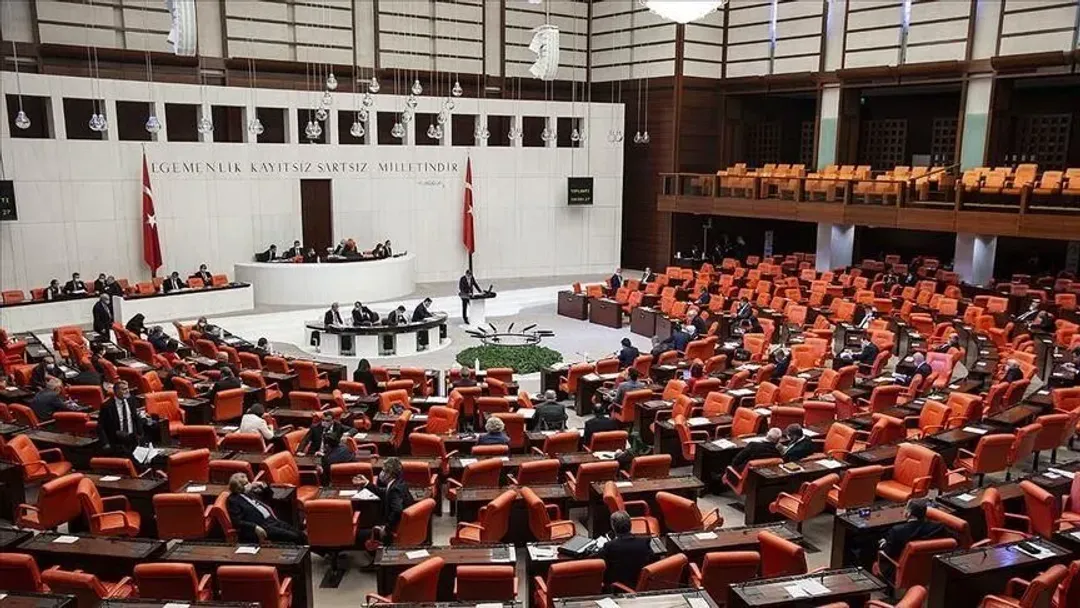
8. What role would parliament play?
The oversight board would regularly brief parliament.
The parliament speaker would establish a Monitoring Commission to follow implementation and issue recommendations.
9. What happens to surrendered weapons and equipment?
Weapons, ammunition, explosives and other materials brought in or declared by the PKK members would be officially recorded.
Detailed procedures would be determined by the Interior and National Defence ministries.
10. How can eligible individuals apply?
Applications must be submitted in writing within six months after the National Security Council's confirmation of the terror group's dissolution and disarmament is published in the Official Gazette.
Applications would be made to local prosecutor's offices or institutions authorised by the oversight board.