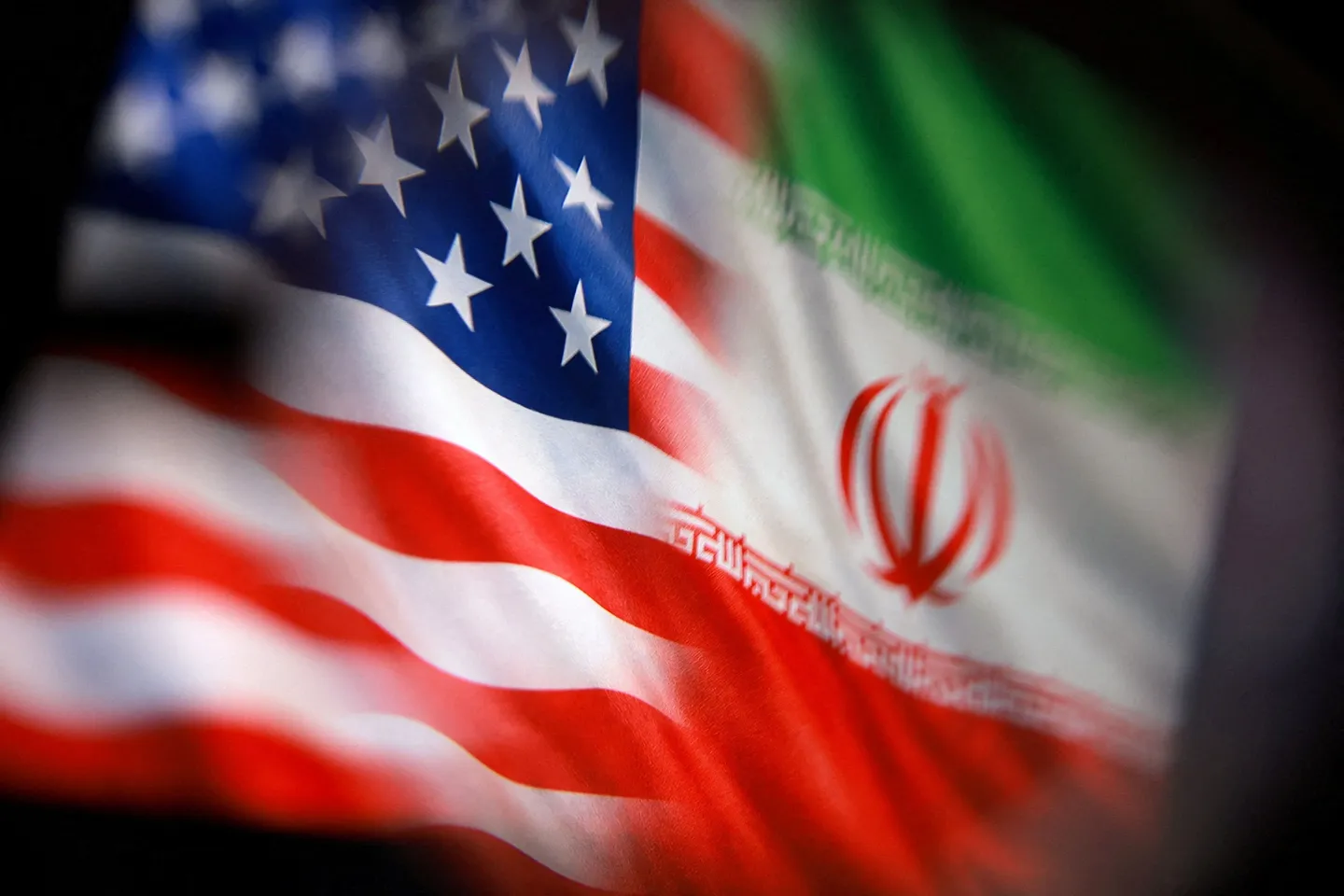
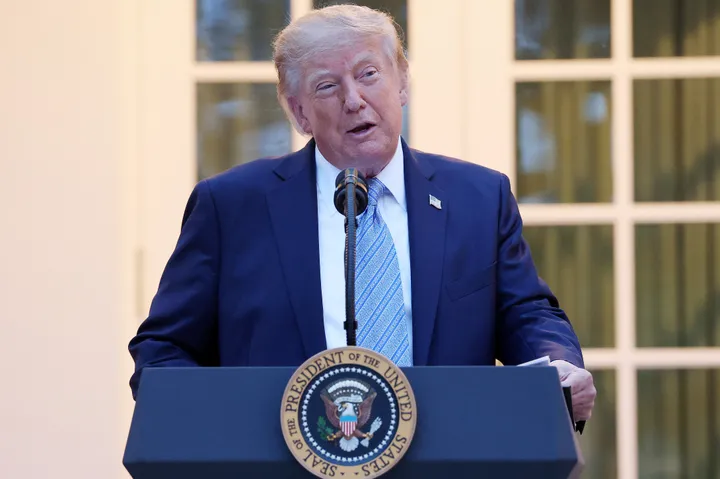
Iran has conveyed its conditions to mediators for returning to negotiations aimed at ending its war with the United States, and Tehran wants to see an end to the Yemen conflict, the secretary of Iran's Supreme National Security Council, Mohsen Rezaei, said.
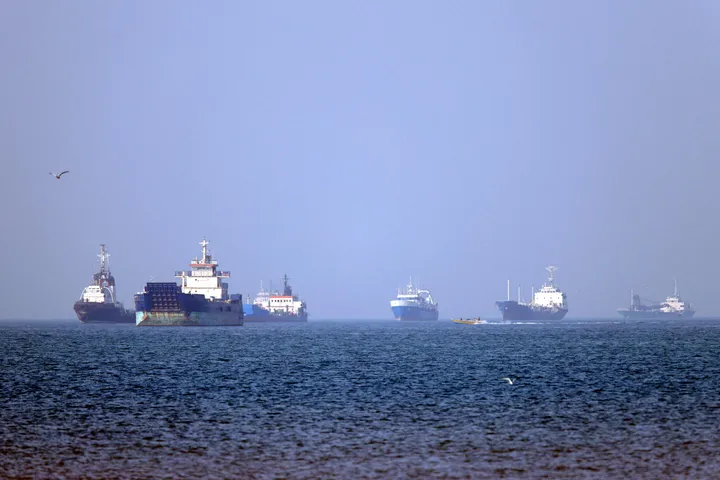
Rezaei said in an interview with Al Jazeera on Saturday that Tehran's conditions include a complete end to the war on all fronts, the unfreezing of Iranian financial assets, and the lifting of a naval blockade.
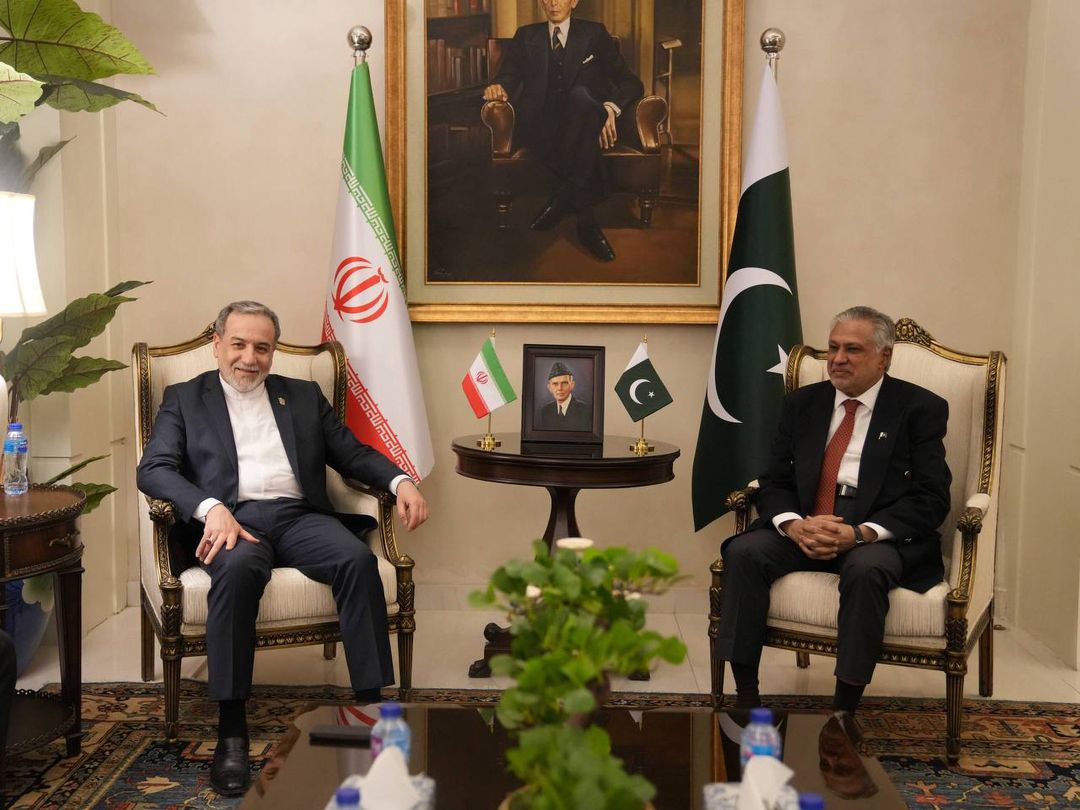
He said consultations with mediators from Qatar and Pakistan were ongoing and that Iran had already communicated these terms through them and that Tehran was now awaiting a response from US President Donald Trump.
Accepting Iran's conditions to exit the war would serve Washington's own interests, Rezaei argued, adding that Trump's threats "will yield no results" and that Iran was prepared for a prolonged, decisive conflict if necessary.
Rezaei also addressed the conflict in Yemen between Yemeni government forces and the Houthis that has engulfed Saudi Arabia as well, saying Tehran wants to see the war between the two end.
Rezaei said Iran was aware of vulnerabilities in the US military and was better prepared than ever to counter American air strikes.
He said Iran had recently test-fired an anti-ship missile near a US aircraft carrier and stressed that Tehran was serious about its defensive posture.
If attacked, he said, Iran would respond by striking US military bases and American interests across the region with greater force.
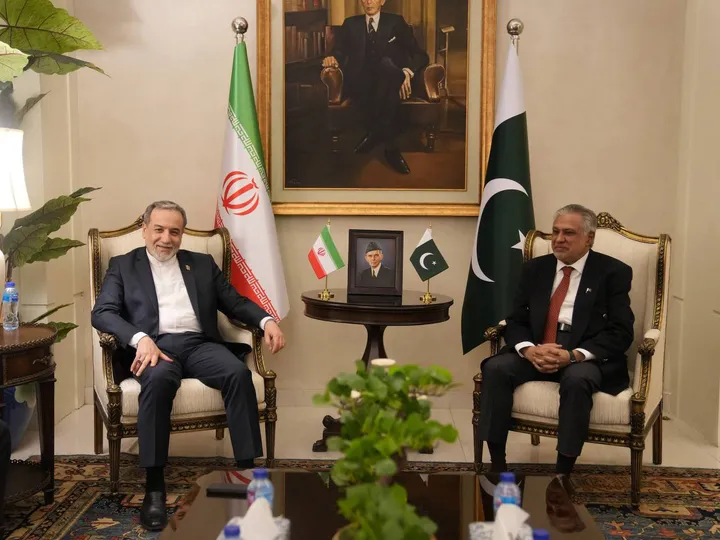
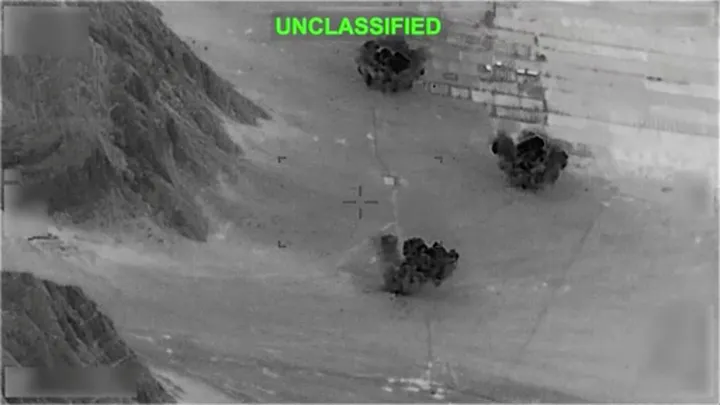




Tensions in the Middle East have heightened after the US and Israel launched large-scale attacks on Iran in February, prompting Tehran to launch missile and drone strikes against US bases across the region.
Pakistan acted as a mediator to defuse tensions, helping reach an agreement between Washington and Tehran in June to end their hostilities.
The deal later faltered amid disagreements between the two rivals over the Strait of Hormuz.
Yemen has been engulfed in conflict since the Houthis seized the capital, Sanaa, and several provinces in September 2014, prompting a Saudi-led Arab coalition to intervene in March 2015 in support of the internationally recognised government.
Fighting between the Houthis and the government forces has reignited after a four-year truce collapsed in July, months into the Middle East war between the United States and Iran.
In recent days, hundreds have died in clashes around the Bab al Mandab strait, the mouth of the vital Red Sea shipping route.
The Houthis imposed a naval blockade in July against Saudi Arabia in the Red Sea in response to what they described as a Saudi siege on Yemen, an allegation Riyadh has denied.