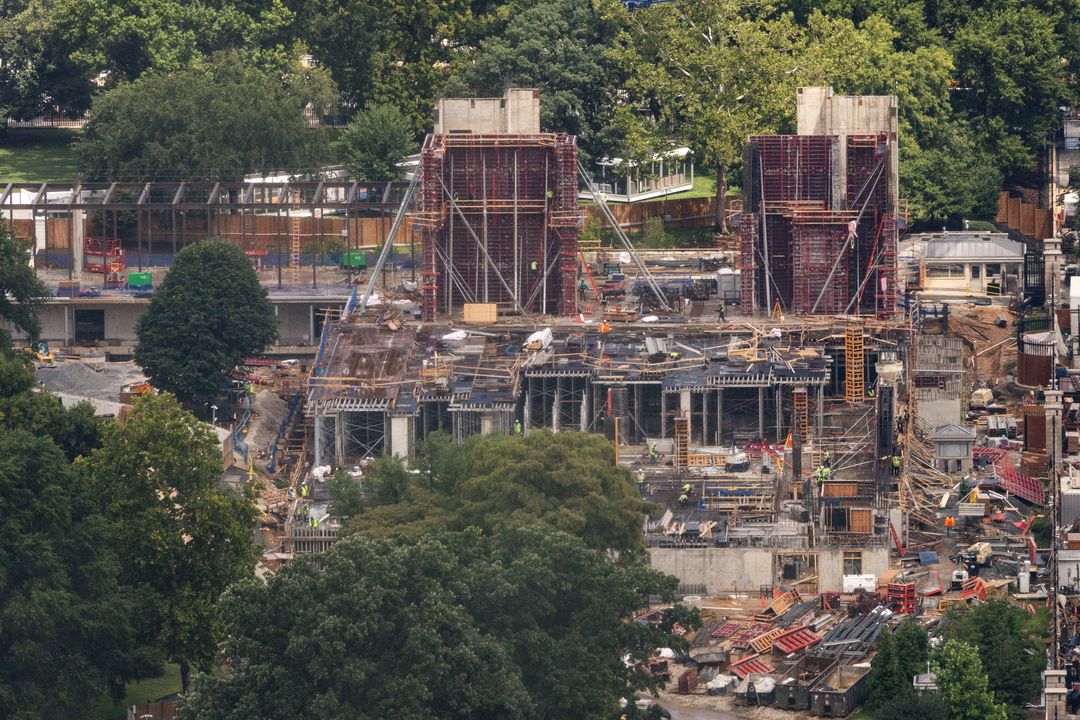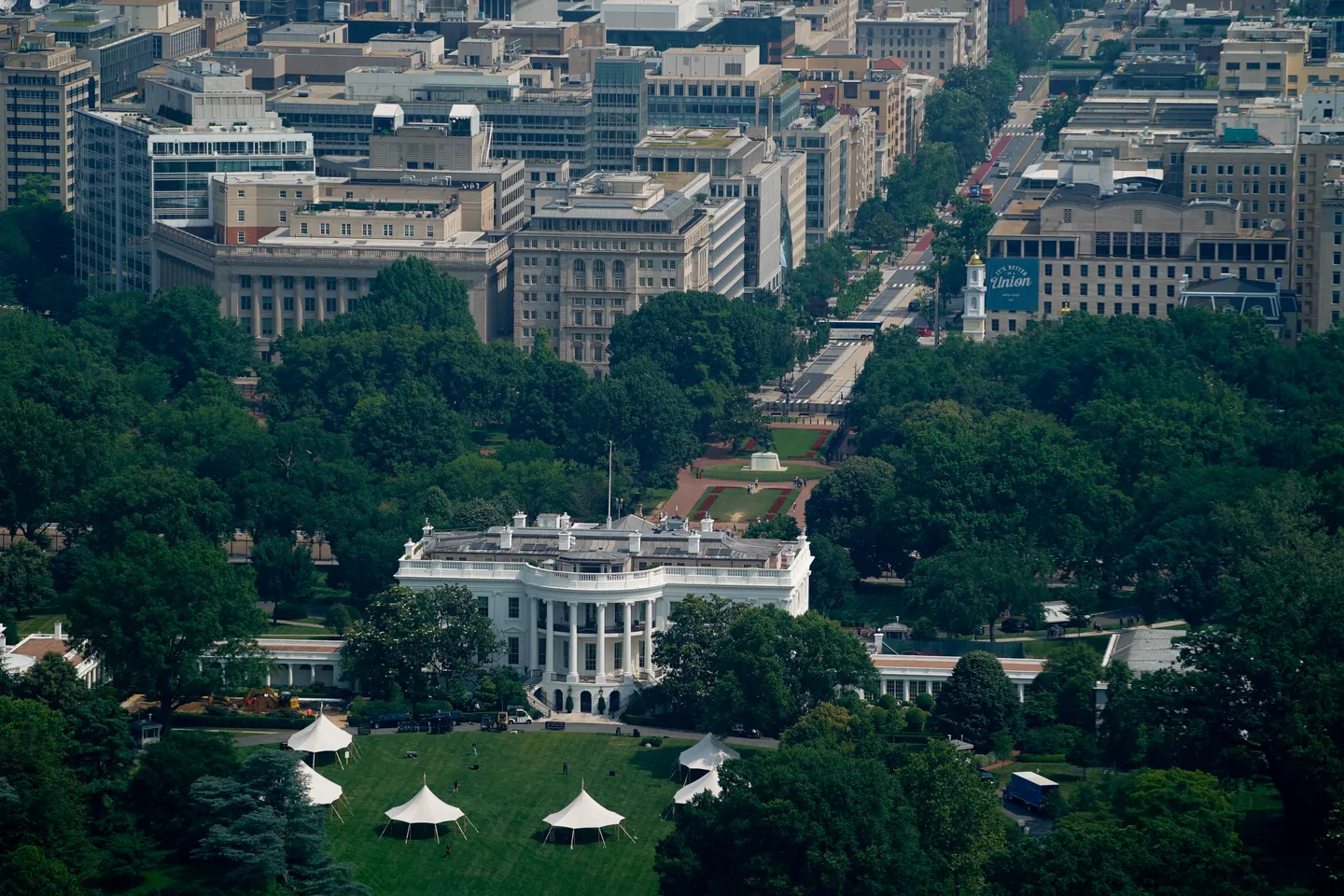
The Trump administration plans to spend at least $900 million on construction projects across the White House grounds, with most of the funding expected to come from taxpayers, media reports said on Wednesday.
The Washington Post reported that the administration has assembled funding through transfers from federal agencies and private donations rather than seeking direct congressional appropriations.
The money has reportedly been directed into the Executive Residence's White House Repair and Restoration account for what the administration describes as "modernisation projects."
According to the report, the projects include a planned East Wing ballroom, upgrades to Lafayette Square, construction of a helipad, a new visitor screening centre and other improvements, bringing the estimated total cost to at least $927 million.
The developments come after a federal appeals court ruled on Friday that congressional approval is required for the East Wing ballroom project.
"Congress has exclusive authority to regulate the construction and demolition of White House structures," Judges Patricia A. Millett and Bradley N. Garcia wrote in their opinion.
President Donald Trump has said he will appeal the decision.








The White House has not disclosed the overall cost of the planned construction or detailed the sources of most of the funding.
White House spokesperson Davis Ingle said the projects are being carried out in a "manner consistent with" Congress's intent.
"President Trump continues to implement long-overdue and necessary renovations to beautify the People's House," Ingle said, adding that the White House "will be properly glorified and remain in excellent condition for generations to come."
According to the report, Congress has traditionally approved funding for major White House construction projects.
Budget records cited by the newspaper show the administration has directed $875 million into the Executive Residence maintenance account since Trump took office, compared with annual appropriations of $2.5 million in recent years.
The report also said the administration has routed contracts through the Executive Residence, an office that is not subject to the same public disclosure requirements as most federal agencies.