China and the US have reached a consensus on “recommendations for more favourable” tariff treatment for $30 billion worth of non-sensitive goods in each direction, the White House has said.
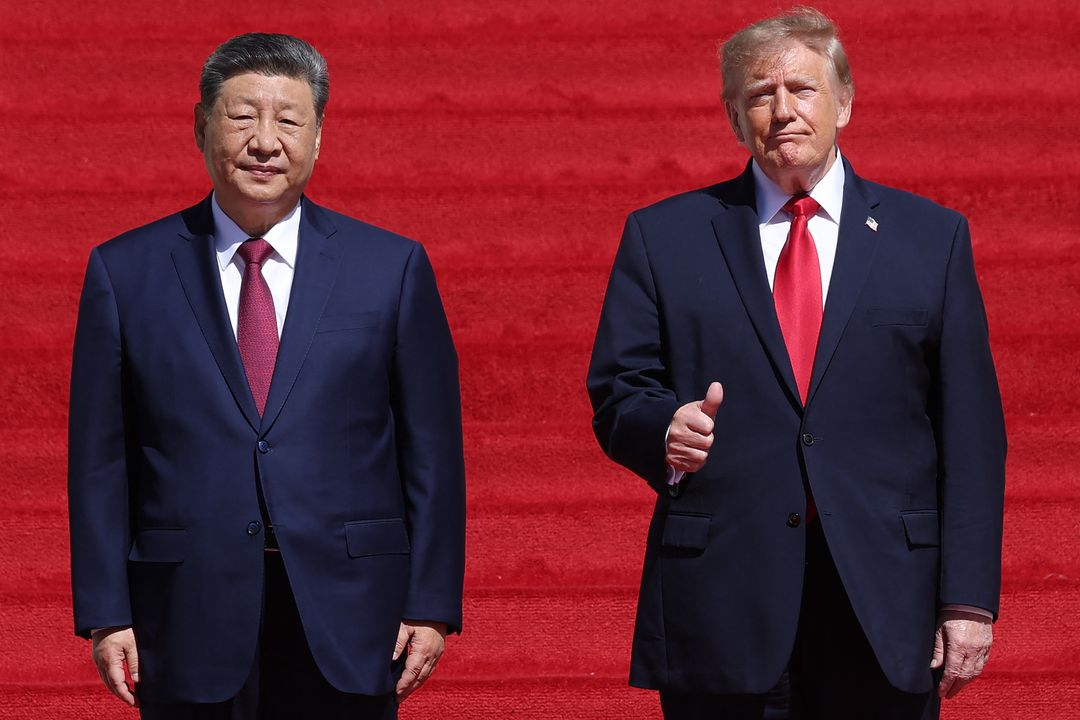
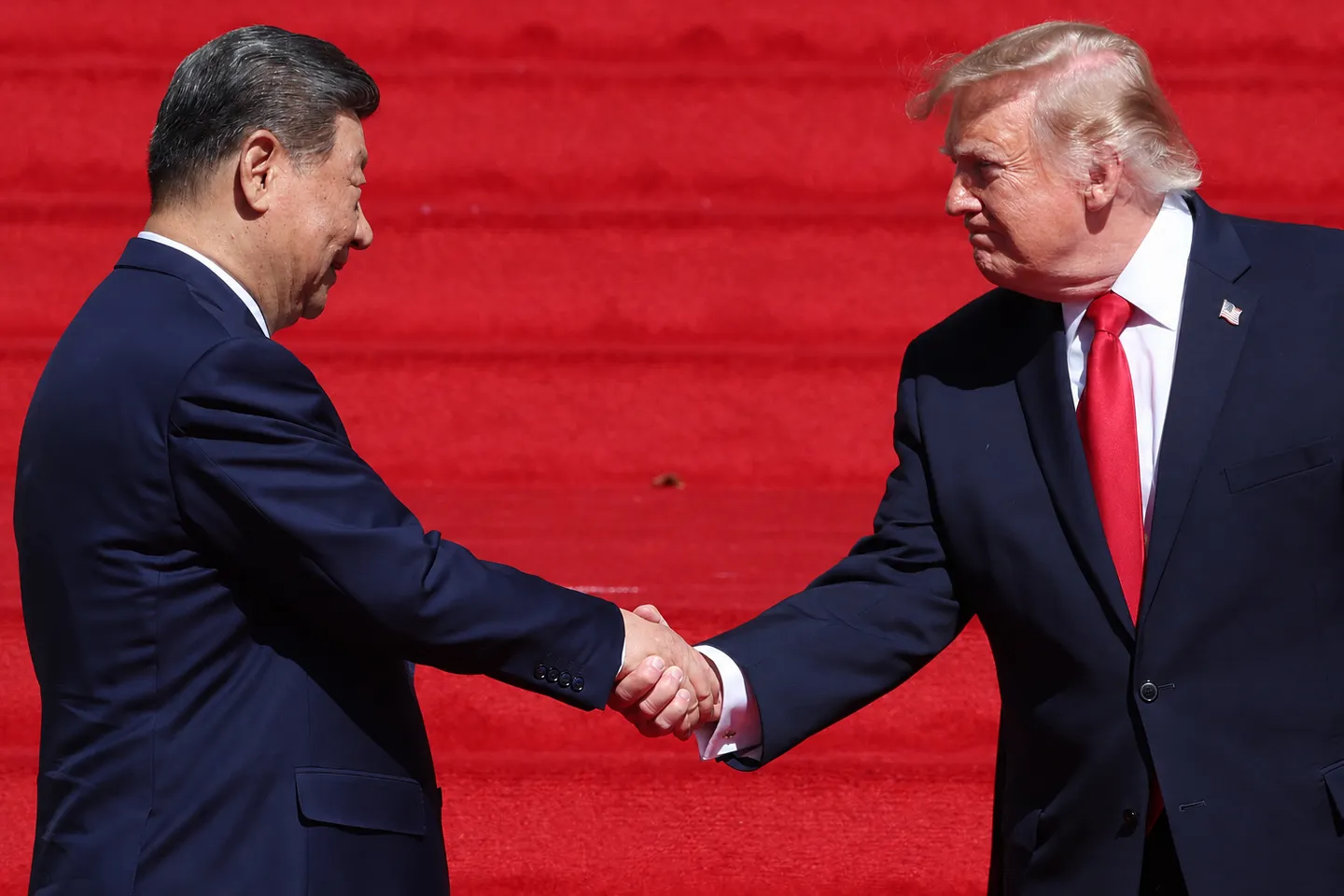
The announcement late Friday followed Chinese President Xi Jinping’s three-day visit to the US with his wife, Peng Liyuan, marking his first state visit to Washington in more than a decade and his second visit to the country since 2015.
US exports covered by the recommendations include agricultural products, fish and seafood, logs and wood products, cosmetics and medical devices. Chinese exports include consumer goods such as small appliances, toys, holiday decorations and children’s car seats.
The two sides also launched a working group to address “market access barriers” in agriculture.
Board of Investment
On energy, President Donald Trump urged Xi to increase production of refined petroleum products to help stabilise global supply, according to the statement.
“China will import at least 10 million metric tons of coal from the United States in 2027 and again in 2028,” the White House said.
The two countries also established a Board of Investment to explore investment opportunities and address obstacles, providing a formal channel to resolve commercially significant investment issues.
Both sides “continue to work on US concerns regarding supply chain shortages related to rare earths and other critical minerals, with the goal of ensuring shipment levels return to appropriate levels”, the statement added.







‘Fostering peace and prosperity’
Xi and Trump discussed “fostering peace and prosperity” and agreed to build “a constructive relationship of strategic stability” based on respect, fairness and reciprocity, the White House said.
The two leaders discussed global issues, including Russia, North Korea and Iran. They agreed that Iran “can never have a nuclear weapon” and that no country or institution should be “allowed to” impose tolls on international waterways, it said.
Xi and Trump also “recalled that the United States and China were allies in World War II and fought side by side to win the war”.
Trump advocated trilateral arms control talks among the US, Russia and China, the statement said.
The two countries agreed to use the term “super intelligence” for applicable emerging technologies instead of “artificial intelligence” and established a US-China Super Intelligence Dialogue to discuss related risks and benefits.
The next dialogue is expected by November 2026, while the countries also agreed to establish a bilateral channel for AI-related incidents.